India, the land of ancient agriculture, is now seeing a new kind of farming flourish — one that looks backward to go forward. Organic vegetables are no longer just the niche obsession of wellness bloggers or luxury stores. They’re becoming a grassroots movement, a scientific curiosity, an economic opportunity, and a cultural return to soil wisdom. But what exactly are organic vegetables, how do they fit into the Indian context, and why does it matter?
Let’s dig in — from seed to supply chain.
What Are Organic Vegetables?
At the most basic level, organic vegetables are grown without synthetic pesticides, herbicides, genetically modified organisms (GMOs), chemical fertilizers, or artificial ripening agents. But that’s just the surface. True organic farming is a system, not just a checklist — one that nurtures soil health, promotes ecological balance, and minimizes pollution.
Organic vegetables are typically grown using:
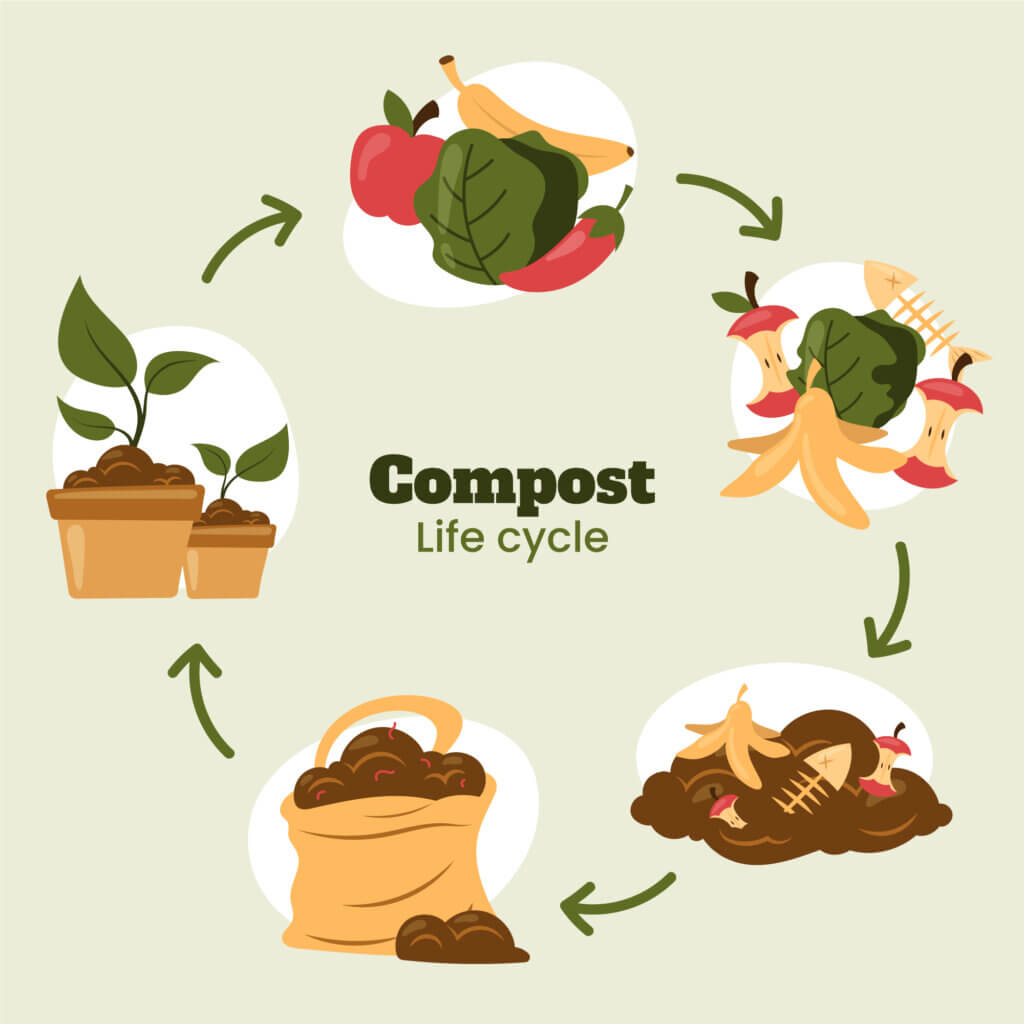
- Natural compost and manure
- Crop rotation and intercropping
- Biological pest control (like neem oil, cow urine, or friendly insects)
- Non-GMO seeds
- Minimal processing and no chemical additives
Think of organic not as a product but as a process — a way of thinking about food from the ground up.
Why Organic? The Driving Forces
- Health Concerns: India has seen a sharp rise in non-communicable diseases — cancer, thyroid problems, gut disorders — and many people suspect (rightly or wrongly) a link to pesticide-laden produce. Some pesticides used in India, like chlorpyrifos and monocrotophos, are banned in the West but still common here.
- Environmental Stress: Chemical farming depletes soil nutrients, contaminates water bodies, and kills beneficial microbes. Organic methods aim to regenerate rather than degrade.
- Farmer Economics: Although yields may be lower at first, organic farming can reduce input costs over time and fetch premium prices in the market.
- Cultural Memory: Before the Green Revolution flooded fields with urea and hybrid seeds, Indian agriculture was largely organic by default. There’s a certain homecoming in returning to age-old wisdom.
The Indian Organic Landscape
India has emerged as a global organic powerhouse — at least on paper. It has the largest number of organic farmers in the world (more than 1.6 million), but only a fraction of its total agricultural land — around 2.8 million hectares — is certified organic.
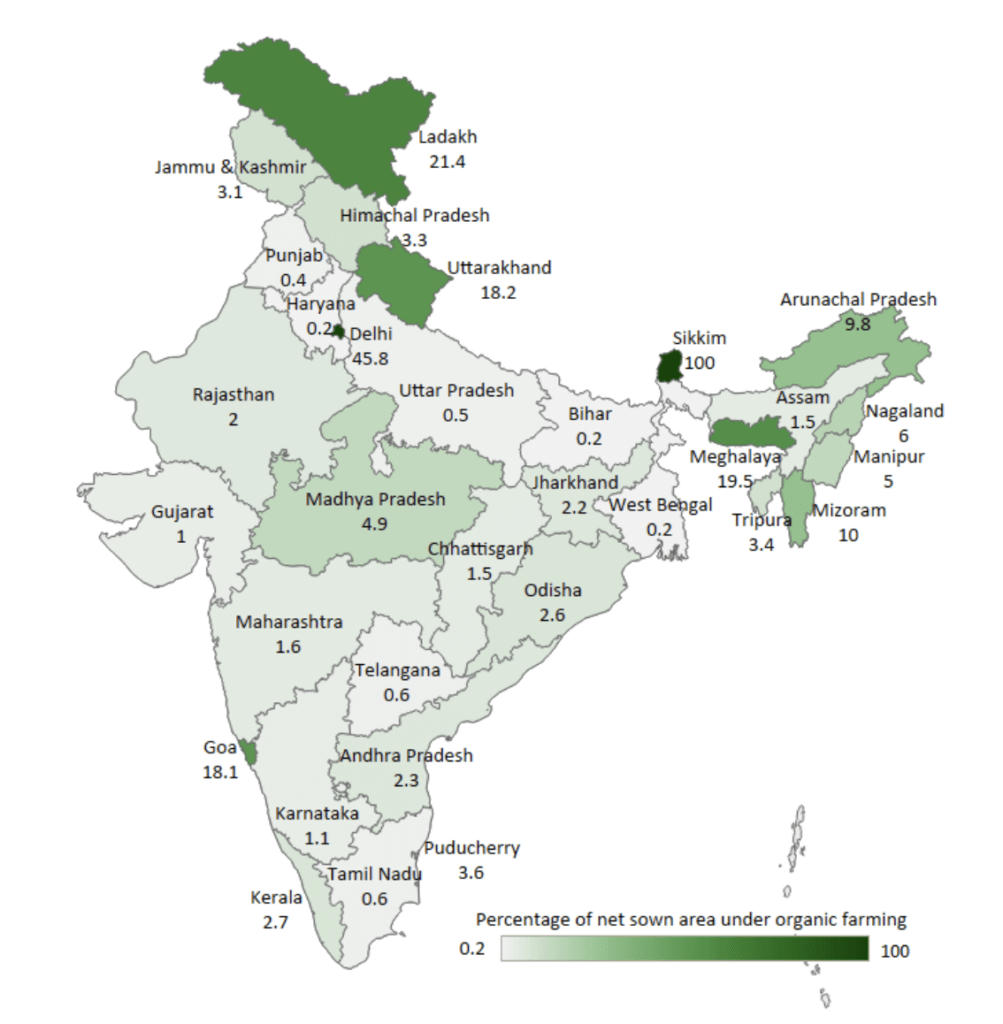
Major organic vegetable producing states include:
- Sikkim – the first Indian state to go fully organic
- Uttarakhand and Himachal Pradesh – with hilly, low-input farms suited for organic
- Madhya Pradesh – India’s largest organic farming area
- Kerala and Karnataka – where consumer demand and awareness are high
- Rajasthan – especially for arid-zone organic vegetables like gourds, okra, and cluster beans.
Organic vs. Conventional: Is It Better?
Here’s where things get complicated. From a nutrition standpoint, the differences are subtle. Some studies show higher antioxidant levels in organic vegetables, and lower pesticide residues, but not dramatic changes in vitamin content.
The real benefits are more long-term and systemic:
- Reduced exposure to toxic chemicals (for both consumers and farmers)
- Improved soil biodiversity and carbon capture
- Lower groundwater contamination
- Less antibiotic and hormone usage (for animal-based organics)
So if you’re expecting magical superfoods from organic carrots, you’ll be disappointed. But if you value soil health, sustainability, and ethical farming, organic delivers.
The Economics of Going Organic
Organic farming isn’t an overnight fix. Farmers face several challenges:
- Yield Dip: Especially in the first few years of transition.
- Market Access: Many organic farmers can’t find reliable buyers or storage.
- Price Premium: While consumers in metros may pay more, rural markets often won’t.
However, when supply chains work, farmers can see profits of 20–30% higher than conventional growers — especially if they cut out the middlemen.
New business models are emerging to help:
- Farm-to-table startups like Zama Organics and Farmizen.
- Organic mandis and weekend farmer markets in cities like Bengaluru, Pune, and Delhi.
- FPOs (Farmer Producer Organizations) focusing on organic vegetable clusters.
- E-commerce platforms with cold-chain delivery of organic produce.
Consumer Confusion and Greenwashing
Let’s be honest: the “organic” label in India is often fuzzy. Some sellers slap on the term without any certification or evidence. Others import expensive “organic” superfoods while ignoring local, seasonal produce that may be just as clean.
If you’re buying organic vegetables in India:
- Prefer seasonal, local produce over exotic imports.
- Don’t go for the looks, if a vegetable is looking ugly and not in ideal shape, high chances are that it’s an organic one.
- Ask your vendor about the source and farming practices.
Organic vegetables in India are more than a trend. They are a battleground between two visions of agriculture — one chemical-intensive, industrial, and yield-focused, the other holistic, ecological, and community-driven. Neither path is perfect, but the organic movement offers a crucial correction to the excesses of post-Green Revolution farming.
As climate change intensifies and soil fatigue spreads, India must nourish not just crops, but the ecosystems and farmers that grow them. Whether on a terrace garden in Mumbai or a tribal field in Odisha, the organic vegetable is a symbol of hope — rooted in the past, but growing toward the future.
Next time you bite into an organic tomato, remember: you’re tasting not just a vegetable, but a philosophy.