Our planet is home to an incredible diversity of animals, but many species are facing threats due to habitat destruction, pollution, climate change, and human activities. While large-scale conservation efforts are essential, individual actions can also make a significant difference in protecting wildlife. Whether you live in a city, the countryside, or near the ocean, there are many ways you can contribute to the well-being of animals and their habitats. Here are ten practical steps you can take to support wildlife conservation.
Reduce Plastic Use
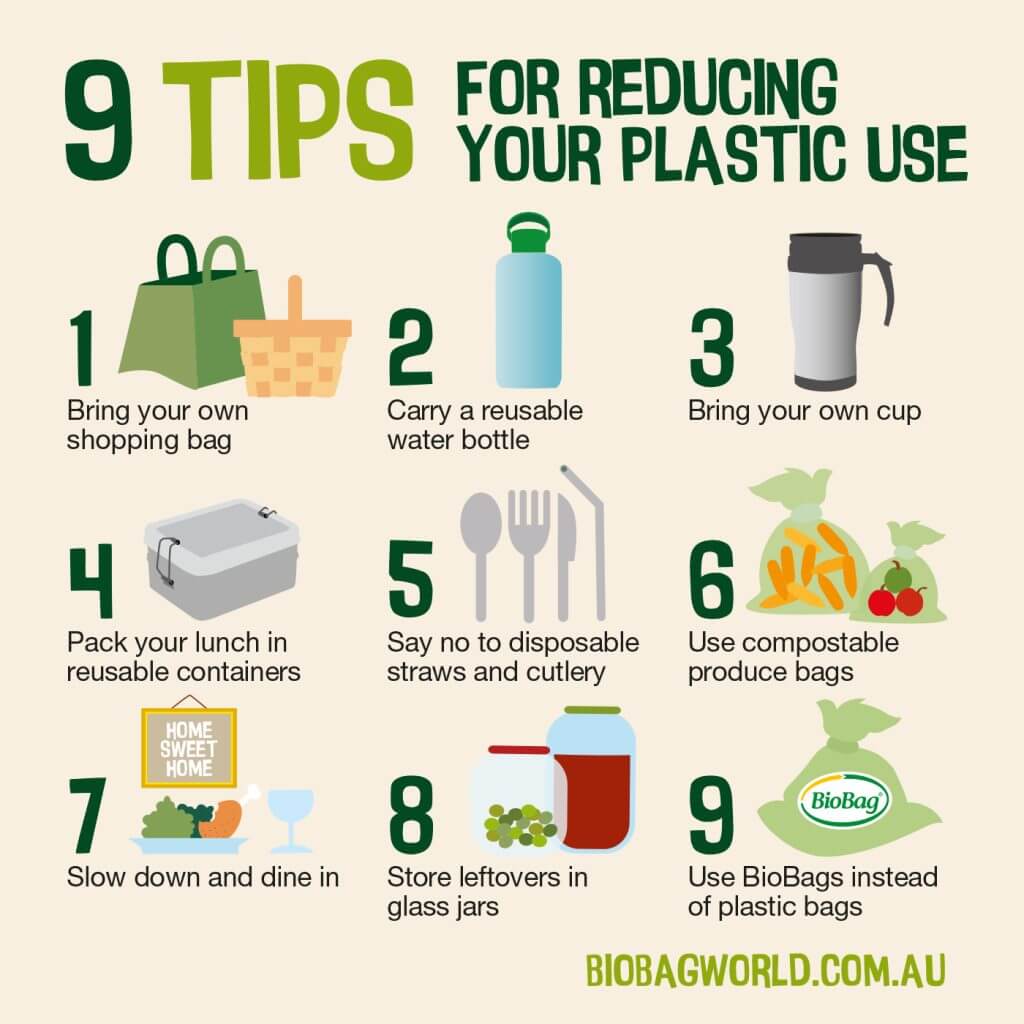
Plastic pollution is one of the biggest threats to marine and terrestrial wildlife. Animals often mistake plastic waste for food or become entangled in discarded materials. By switching to reusable bags, bottles, and containers, you can significantly cut down on plastic waste. Participating in local clean-up drives or supporting policies that ban single-use plastics can further reduce environmental pollution.
Plant Native Trees and Flowers
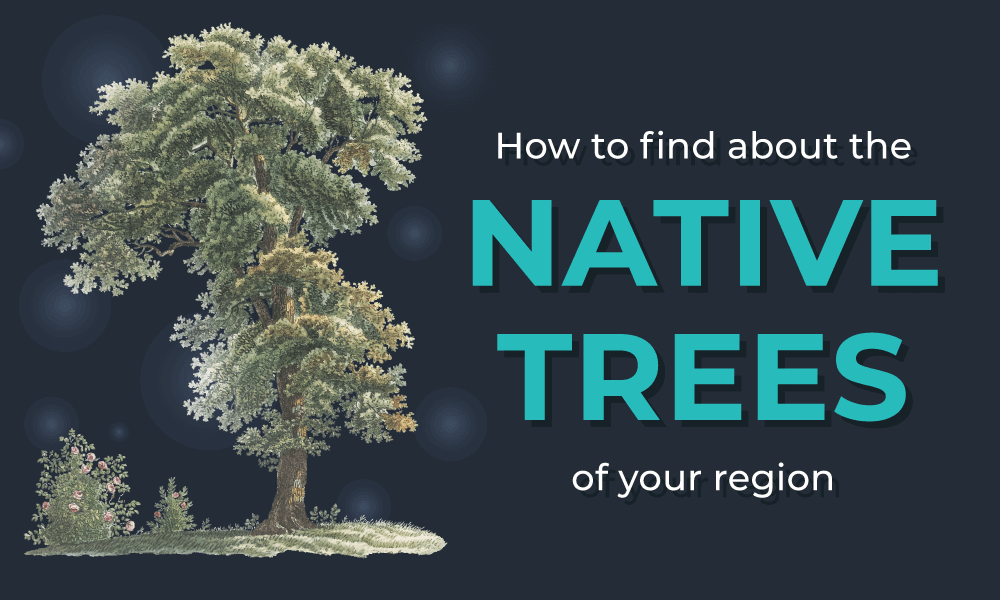
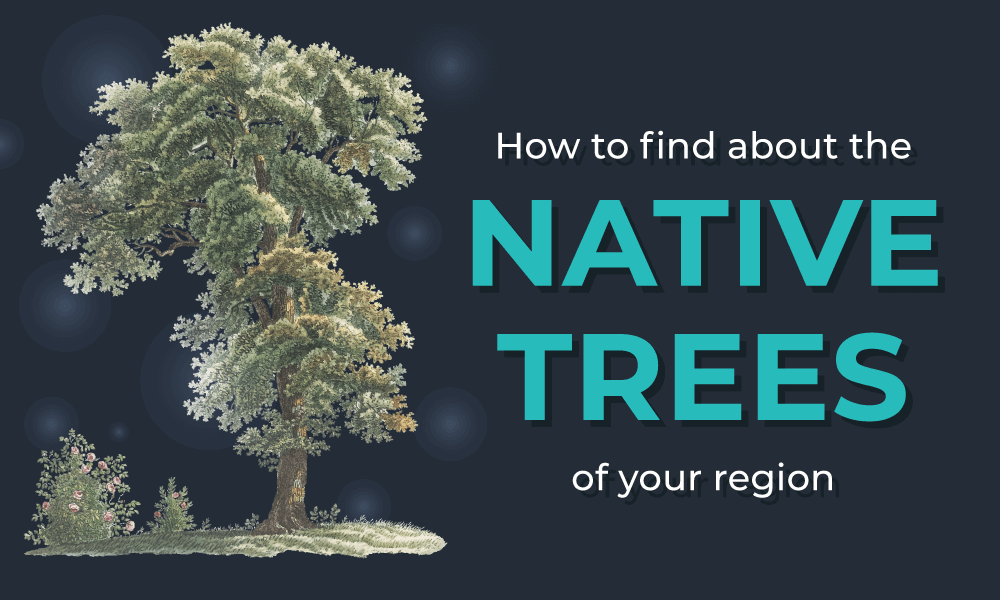
Creating wildlife-friendly spaces helps birds, pollinators, and small animals thrive. Native plants provide essential food sources like nectar, berries, and seeds while also offering shelter. If you have a garden, consider planting trees and flowers that attract bees, butterflies, and birds. Even small balcony gardens or community green spaces can make a difference in supporting biodiversity.
Protect Natural Habitats
The destruction of forests, wetlands, and grasslands forces animals out of their natural environments, making it difficult for them to survive. You can help by supporting reforestation projects, avoiding products linked to deforestation, and advocating for the protection of green spaces in your community. If you have access to land, allow parts of it to grow wild, providing shelter for local wildlife.
Avoid Buying Products Linked to Wildlife Exploitation

Many products on the market contribute to wildlife exploitation, deforestation, and illegal poaching. Items made from ivory, fur, exotic skins, and illegally sourced wood fuel animal suffering and habitat destruction. By choosing sustainable, cruelty-free products, you can help reduce demand for materials that harm wildlife. Always check the sourcing of items before purchasing and support ethical brands.
Minimize Chemical Use
Pesticides, herbicides, and chemical fertilizers have devastating effects on wildlife, particularly pollinators like bees and butterflies. These chemicals can poison animals, disrupt food chains, and contaminate water sources. Choosing organic products, using natural pest control methods, and reducing chemical use in gardens and farms can create a safer environment for wildlife.
Reduce Your Carbon Footprint
Climate change is one of the biggest threats to wildlife, affecting habitats, food availability, and migration patterns. Reducing energy consumption, using public transport, eating more plant-based meals, and supporting renewable energy sources can lower your carbon footprint. Every small effort contributes to slowing down global warming and preserving habitats for future generations.
Support Wildlife Conservation Organizations
There are countless organizations working to protect endangered species and their habitats. Whether through donations, volunteering, or spreading awareness, your support can contribute to their efforts. Many conservation groups also offer opportunities to adopt animals symbolically, where your contribution helps fund protection programs.
Practice Responsible Tourism
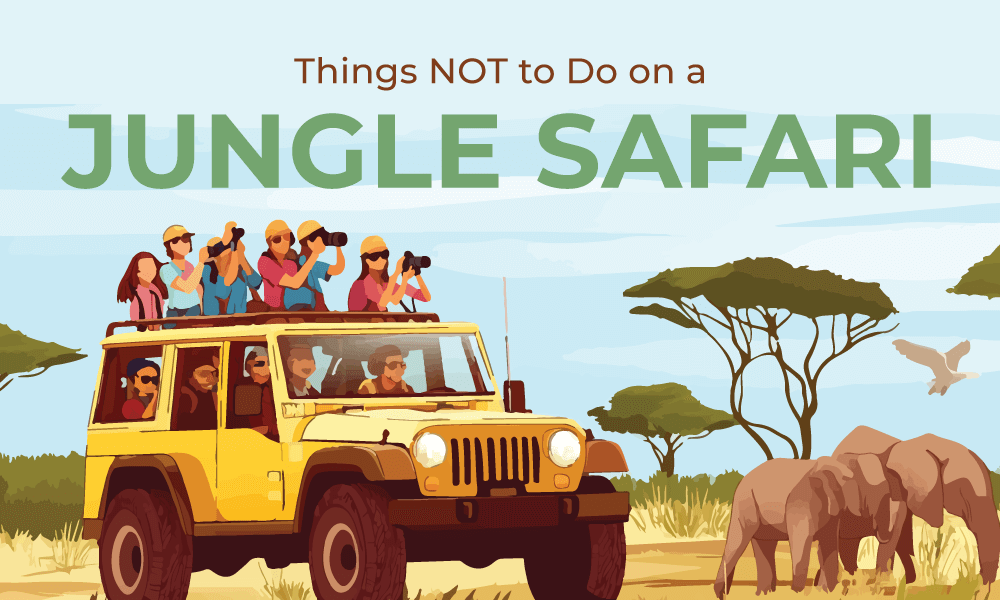
Wildlife tourism can either support or harm animals, depending on how it is conducted. Avoid attractions that exploit animals, such as elephant rides, captive dolphin shows, or unethical zoos. Instead, choose eco-friendly travel experiences that promote conservation and respect for wildlife. Observing animals in their natural habitats, supporting ethical sanctuaries, and following eco-tourism guidelines can help protect species from harm.
Provide Food and Water Sources
Urbanization has made it harder for some species to find food and water. You can help by setting up bird feeders, planting bee-friendly flowers, or creating small water stations for animals. If you live in a colder climate, leaving food out for birds during the winter can help them survive. However, it’s important to offer natural, appropriate food sources to avoid disrupting their natural diets.
Educate and Spread Awareness
One of the most powerful ways to protect wildlife is by educating others. Share information on conservation efforts, responsible consumer choices, and the importance of protecting nature. Whether through social media, community discussions, or schools, raising awareness can inspire more people to take action. The more people understand the challenges wildlife face, the more support there will be for solutions.
Protecting wildlife is a shared responsibility, and small, mindful actions can collectively make a significant impact. Whether it’s through conservation efforts, reducing waste, or simply spreading awareness, each step brings us closer to a future where animals can thrive in their natural environments. By making eco-friendly choices in our daily lives, we not only help protect wildlife but also ensure a healthier planet for future generations.