Curry Leaves / Kadi Patta (Murraya koenigii)
Curry leaves are a staple in Indian cooking, but they’re also powerful healers. Rich in antioxidants and vitamins, they improve digestion, control cholesterol, and are widely used in home remedies for hair growth and scalp health.
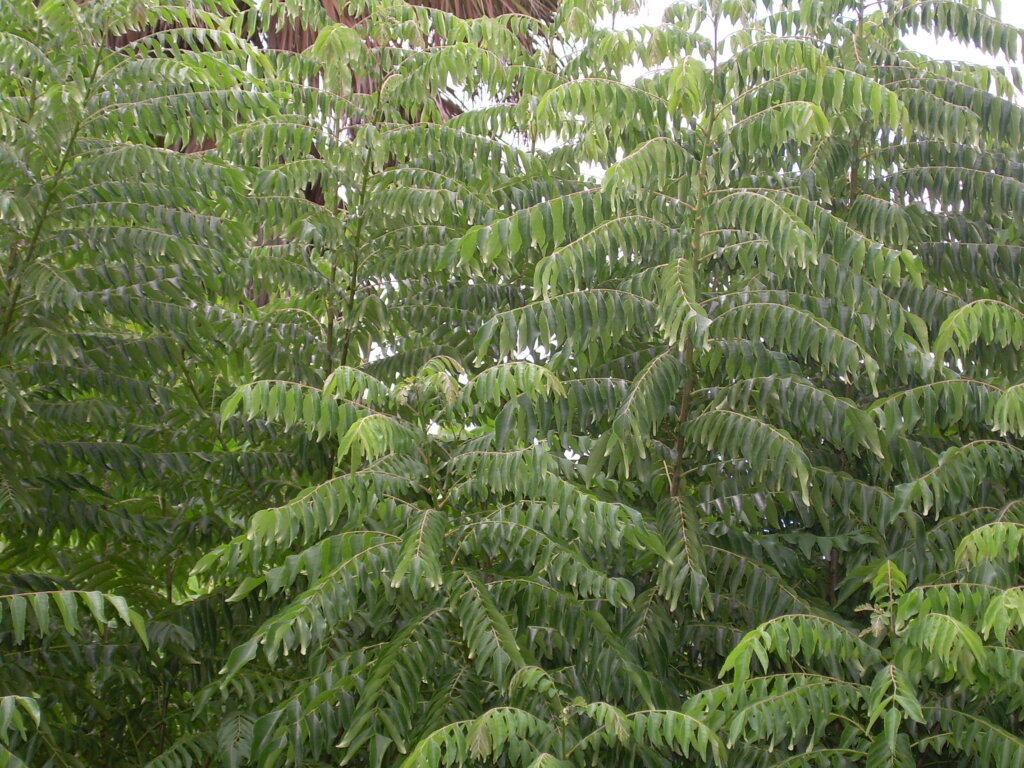
The plant grows as a small tree that thrives in warm, sunny climates with well-drained soil. Besides adding a fresh aroma to your food, this plant ensures you have a ready supply of both taste and wellness in your backyard.
Neem (Azadirachta indica)
Neem is known as the ultimate medicinal tree of India, valued for its wide range of healing uses. Its leaves, bark, and seeds have antifungal, antibacterial, and detoxifying properties. Neem is excellent for skin care—treating acne, infections, and rashes—and is also used in oral hygiene, hair care, and blood purification.
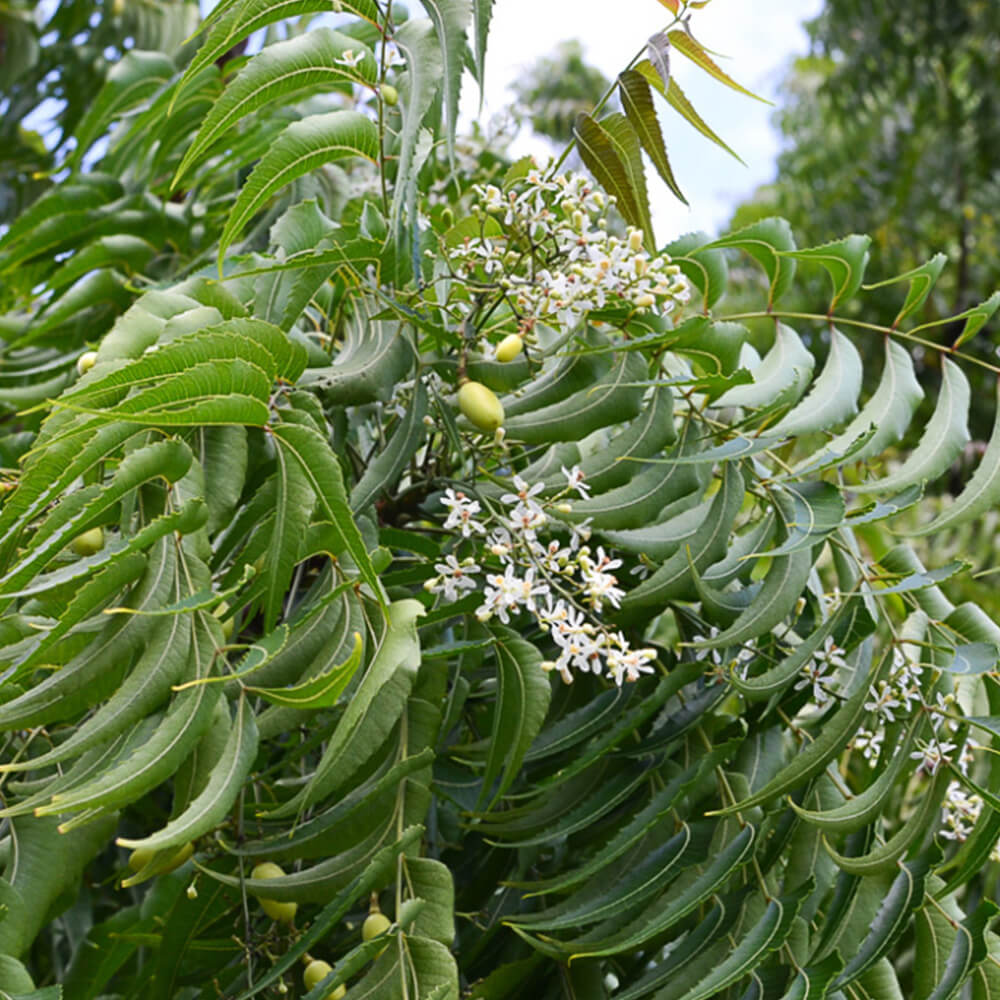
This hardy tree needs lots of sunlight and space, but once grown, it provides natural medicine for the whole family. Having a neem tree in your home garden is like having a complete wellness shield.
Indian Bay Leaf / Tej Patta (Cinnamomum tamala)
Indian bay leaf, known as Tej Patta, is a staple spice in Indian cooking and a valued medicinal plant in Ayurveda. Unlike the Mediterranean bay leaf (Laurus nobilis), Cinnamomum tamala has a slightly sweet, cinnamon-like flavor that enriches curries, biryanis, and soups. Medicinally, it is known to improve digestion, reduce bloating, and help manage diabetes by supporting healthy blood sugar levels.
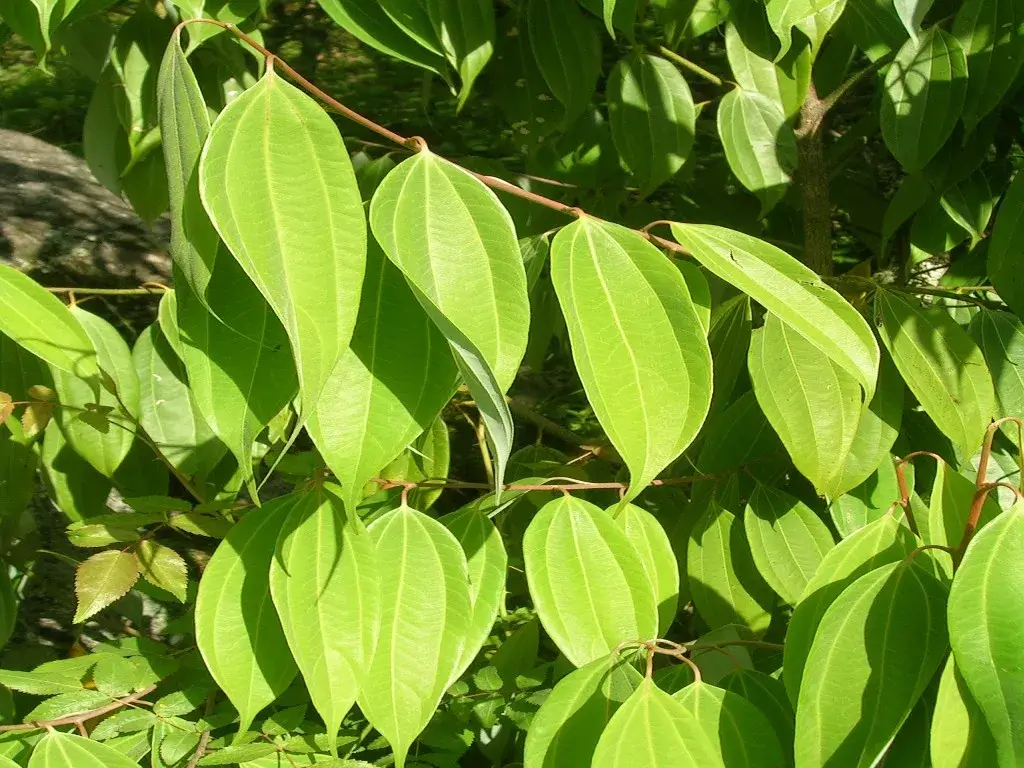
Its natural oils also make it useful for respiratory problems like coughs and colds, while teas made from the leaves are soothing for the stomach. The plant itself is a small evergreen tree that thrives in warm climates with rich, well-drained soil. Keeping Tej Patta in your garden ensures you have both a fragrant kitchen spice and a versatile healing herb at your fingertips.
Ashwagandha (Withania somnifera)
Ashwagandha, often called the “Indian ginseng” or “winter cherry,” is one of the most powerful herbs in Ayurveda. Its roots and leaves are famous for their adaptogenic properties, meaning they help the body cope with stress, fatigue, and anxiety while improving overall energy and stamina. Regular use of Ashwagandha is believed to strengthen immunity, support better sleep, enhance memory, and even improve joint and muscle health.
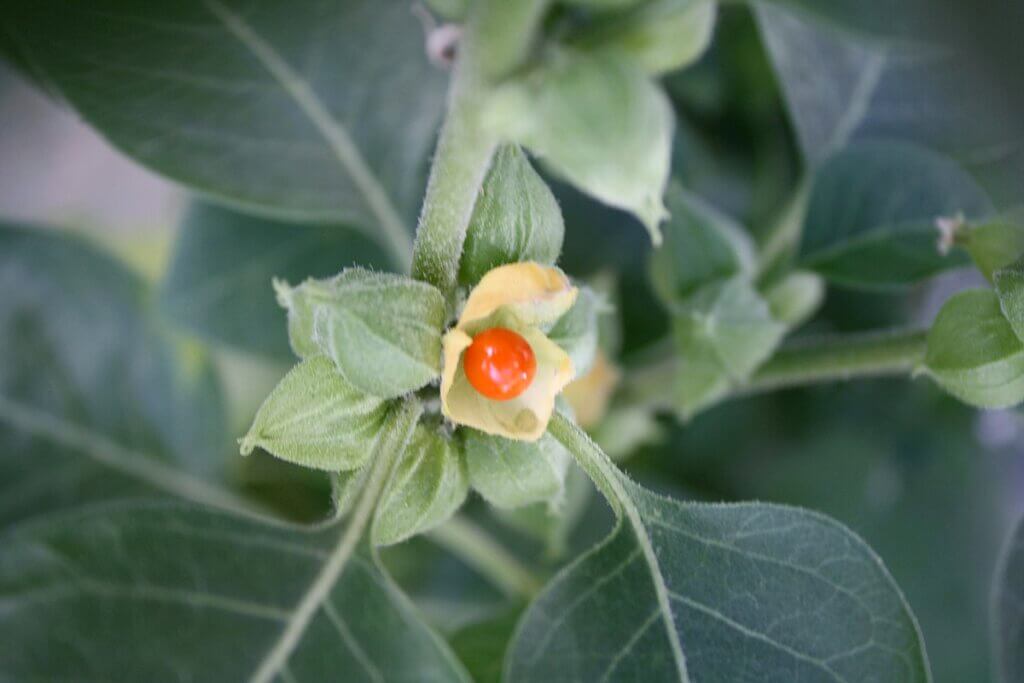
It is especially valued as a natural tonic for boosting vitality and balancing the mind and body. The plant itself is hardy and drought-resistant, growing well in dry soil and sunny conditions with very little care. Keeping Ashwagandha in your garden gives you access to a time-tested natural remedy that promotes resilience and long-term wellness.
Ginger / Adrak (Zingiber officinale)
Ginger, or Adrak, is one of the most common yet most powerful healing plants you can grow at home. Its knobby underground stem is packed with medicinal compounds that fight inflammation, improve digestion, and boost immunity. A cup of ginger tea is a traditional remedy for sore throats, colds, nausea, and morning sickness, while ginger paste is often used for joint pain and muscle stiffness.
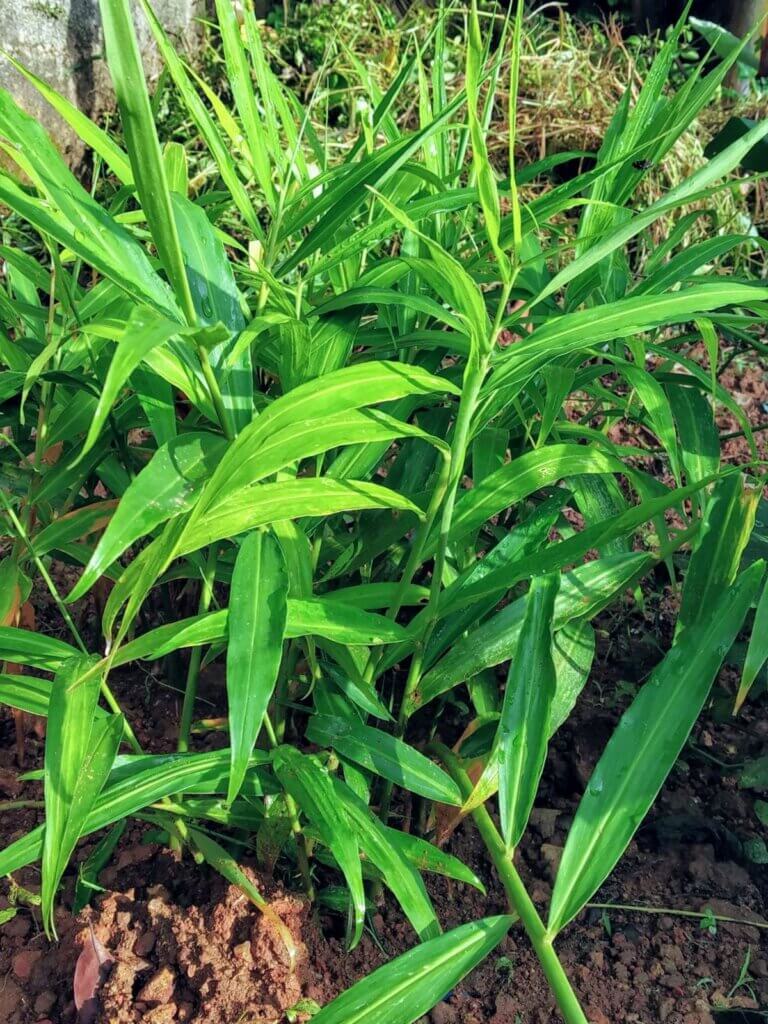
In cooking, it adds both warmth and flavour to everyday dishes, making it an essential spice in Indian kitchens. The plant grows well in pots or garden beds with moist, well-drained soil and partial shade. With just a little care, you can harvest fresh ginger from your garden and enjoy its dual role as both a kitchen spice and a natural medicine.
Fennel / Saunf (Foeniculum vulgare)
Fennel, known as Saunf, is a fragrant herb that carries both culinary and medicinal value. The seeds are widely used in Indian households as a mouth freshener after meals, but they also aid digestion, reduce acidity, and ease bloating. Fennel tea is a simple home remedy for coughs, sore throats, and even menstrual discomfort, thanks to its natural anti-inflammatory and calming properties.
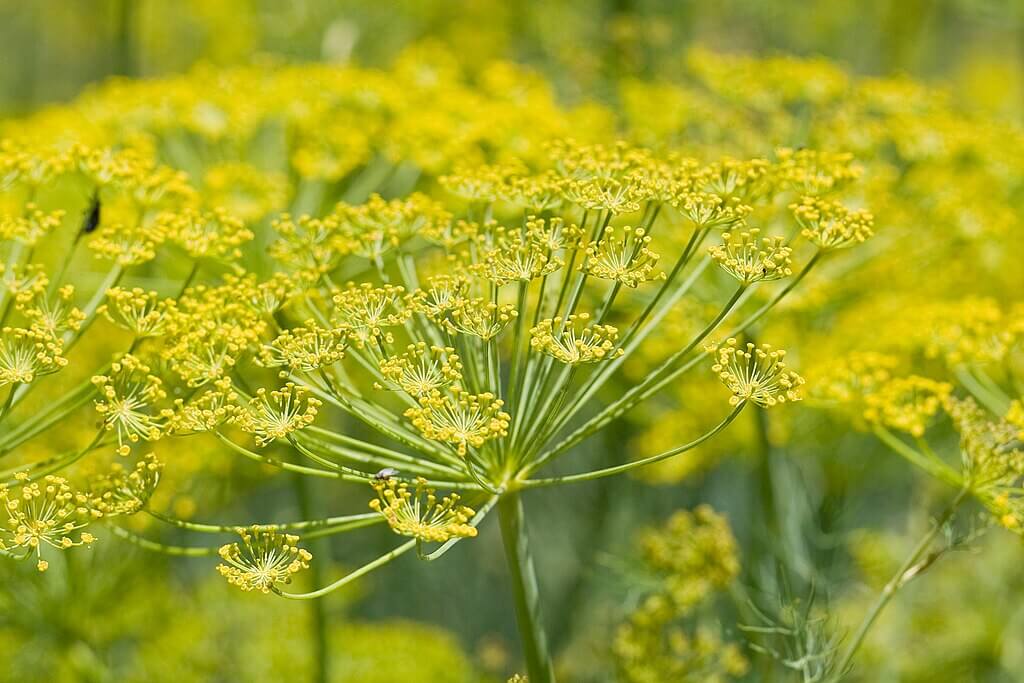
Rich in antioxidants and nutrients, fennel supports eye health and boosts immunity, too. The plant itself is easy to grow in sunny spots with well-drained soil and needs only moderate watering. Its feathery green leaves and yellow flowers also add beauty to the garden. Having fennel at home means you’ll always have a refreshing spice that doubles as a gentle, natural medicine.
Gotu Kola / Mandukparni (Centella asiatica)
Gotu Kola, known in Ayurveda as Mandukparni, is a powerful medicinal herb often called the “herb of longevity.” Its small, round leaves are prized for boosting brain function, improving memory, and supporting mental clarity. Traditionally, it has also been used to heal wounds, reduce anxiety, and promote better circulation. Drinking Gotu Kola tea or using its extracts regularly is believed to nourish the nervous system and enhance overall vitality.
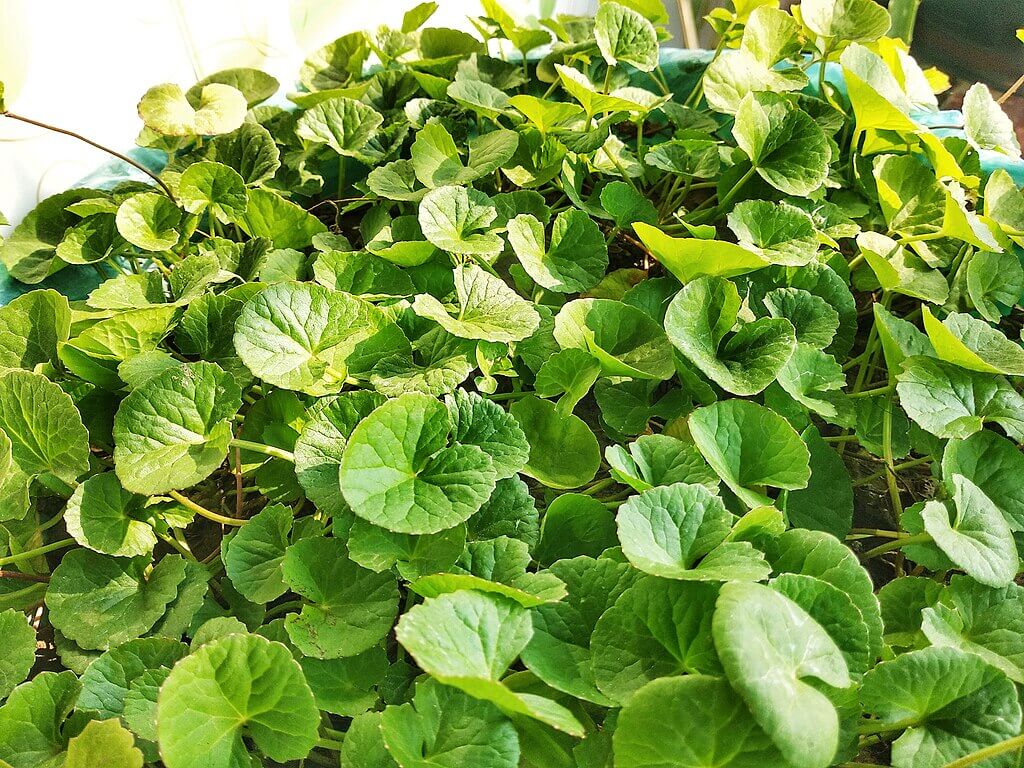
The plant itself is easy to grow in moist soil and partial shade, spreading low and fast like a ground cover. It requires little maintenance, making it perfect for a corner of your herbal garden. Keeping Gotu Kola at home gives you access to a gentle yet potent herb that supports both mental and physical well-being.
Shatavari (Asparagus racemosus)
Shatavari, often called the “queen of herbs” in Ayurveda, is especially known for supporting women’s health and vitality. Its roots are rich in natural compounds that help balance hormones, improve fertility, and ease menstrual or menopausal discomfort. Beyond that, Shatavari is also a powerful adaptogen, boosting immunity, calming the mind, and improving overall stamina and energy.
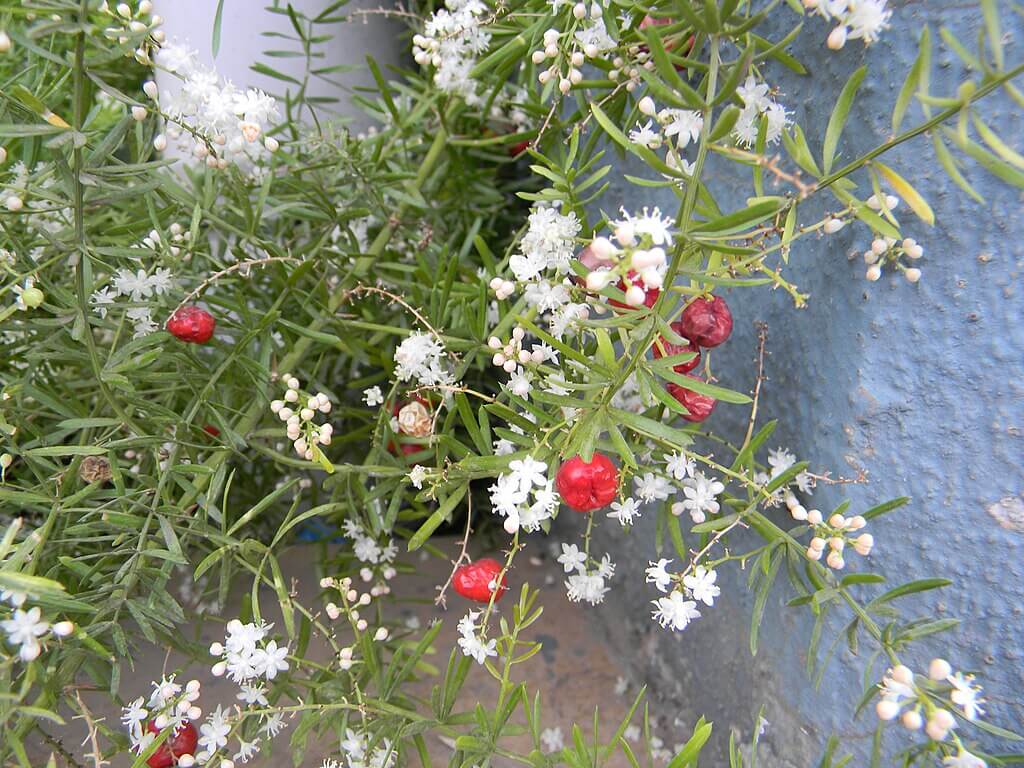
Traditionally, it has been used as a tonic for digestion and to cool the body, making it helpful in managing acidity and ulcers. The plant itself is a hardy climber with thin, feathery leaves and white flowers, thriving best in sandy, well-drained soil and warm climates. With just moderate care, it grows well in home gardens. Keeping Shatavari at home gives you a natural rejuvenator that nurtures both body strength and inner balance.
Apajita / Butterfly Pea (Clitoria ternatea)
Apajita, also called the Butterfly Pea plant, is a striking climber with deep blue or sometimes white flowers that are as medicinal as they are beautiful. In Ayurveda, Apajita is valued for calming the mind, reducing stress, and supporting memory and concentration. Its flowers are often brewed into a vibrant blue tea that is rich in antioxidants, helping to boost immunity, improve digestion, and promote healthy skin and hair.
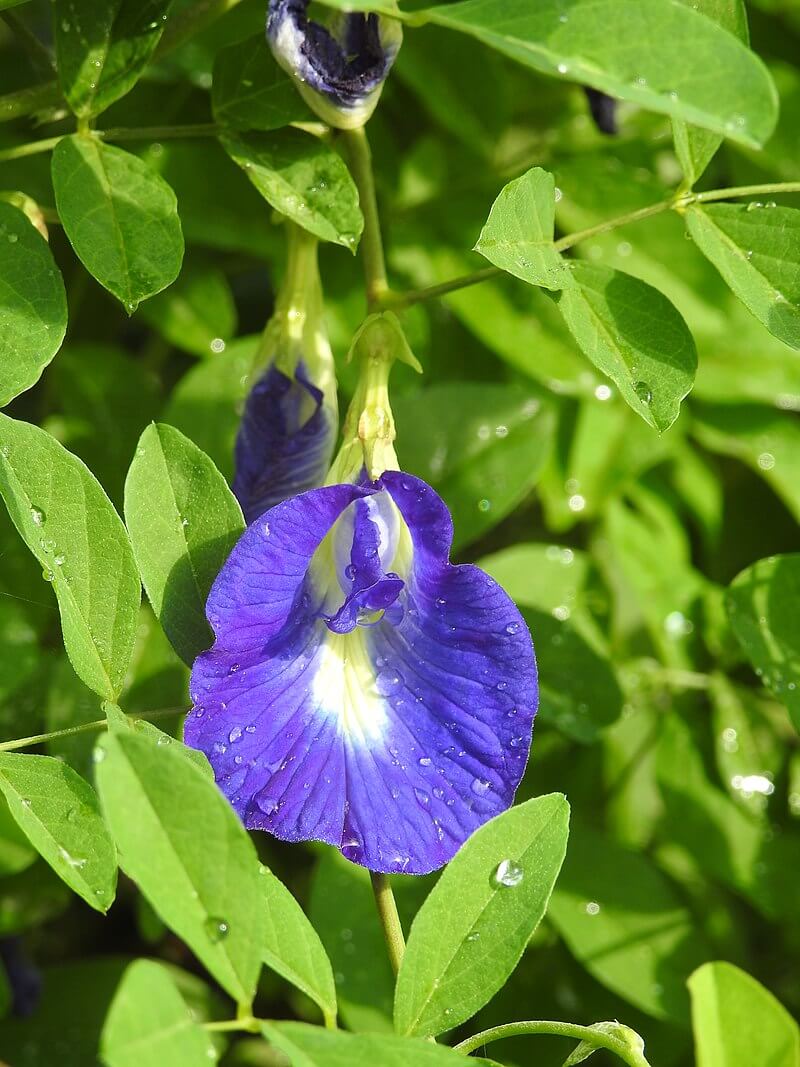
The plant is also used traditionally for balancing blood sugar levels and detoxifying the body. Apajita is a fast-growing vine that thrives in warm climates, needing plenty of sunlight and regular watering. It can be trained along fences, trellises, or balcony grills, making it both ornamental and healing. Keeping Apajita in your garden means you not only enjoy a splash of color but also have access to a soothing, health-giving herbal remedy.
Harsingar / Night Jasmine / Parijat (Nyctanthes arbor-tristis)
Harsingar, also known as Parijat or Night Jasmine, is a small ornamental tree treasured for both its beauty and healing powers. Its fragrant white-and-orange flowers bloom at night and gently fall by morning, often collected for worship and remedies. In Ayurveda, almost every part of the plant is used—its leaves are known for reducing fever, joint pain, and arthritis; the flowers are used in tonics for immunity and skin health; and the seeds and bark are traditionally valued for their anti-inflammatory and anti-parasitic properties.
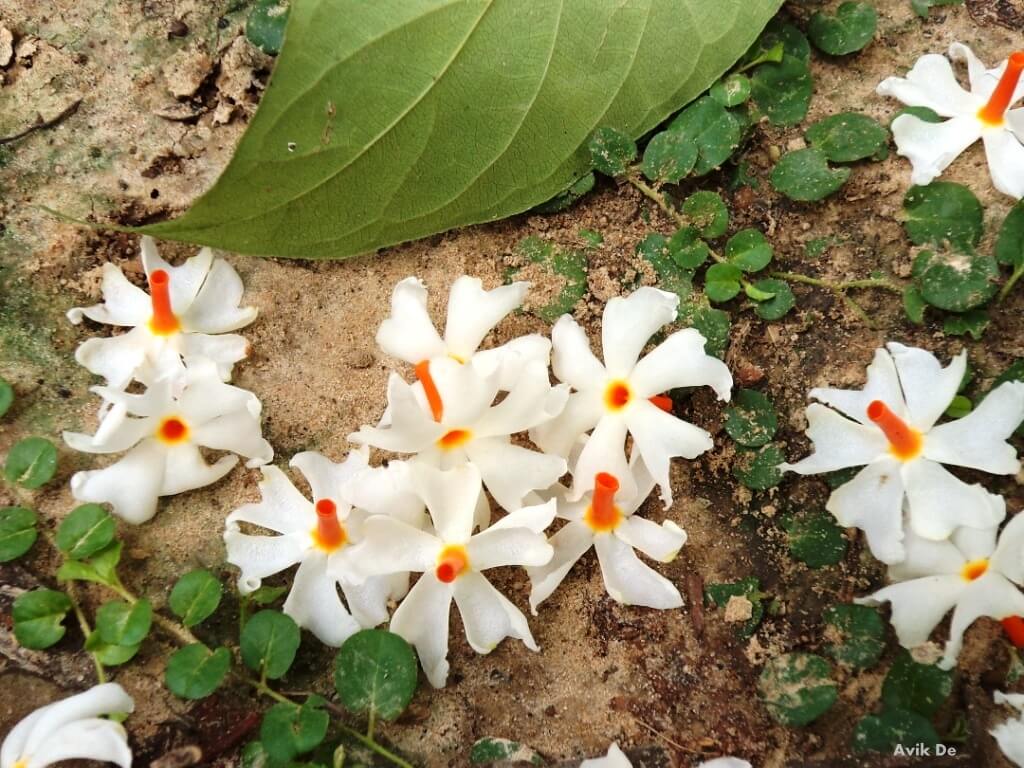
A tea made from Harsingar leaves is a common home remedy for coughs, colds, and chronic fevers like malaria. The plant itself is hardy, thriving in sunny gardens with well-drained soil, and needs only moderate care. Growing Harsingar at home brings not only beauty and fragrance to your garden but also a trusted, multipurpose natural healer.