Soil is one of the most important natural resources on Earth. Without soil, there would be no plants, no animals, no food, no home, and we can’t exist without soil. Soil ensures the existence of plants and trees by providing them with water and essential nutrients.
In simple words, soil is a mixture of small rock particles and organic material such as humus. It develops on the Earth’s surface and acts as a basic building block for the growth of organic life.
How is soil made?
Soil is formed when rocks break down due to the action of wind, water, temperature changes, and other climatic factors. This process is known as weathering. For example, flowing water breaks down a rock into smaller parts, and with more time, it becomes smaller and smaller. Now the end result is soil.
It takes around 500 years for nature to create 1 cm of soil from rocks.
What type of soil it is depends on many factors:
- The type of parent rock
- Climate
- Relief and topography
- Vegetation
- Time
If we dig a pit in the ground and observe the soil, we notice that it has different layers. These layers differ in texture, colour, depth, and chemical composition. These layers are called soil horizons.
Layres of Soil (Soil Horizons)
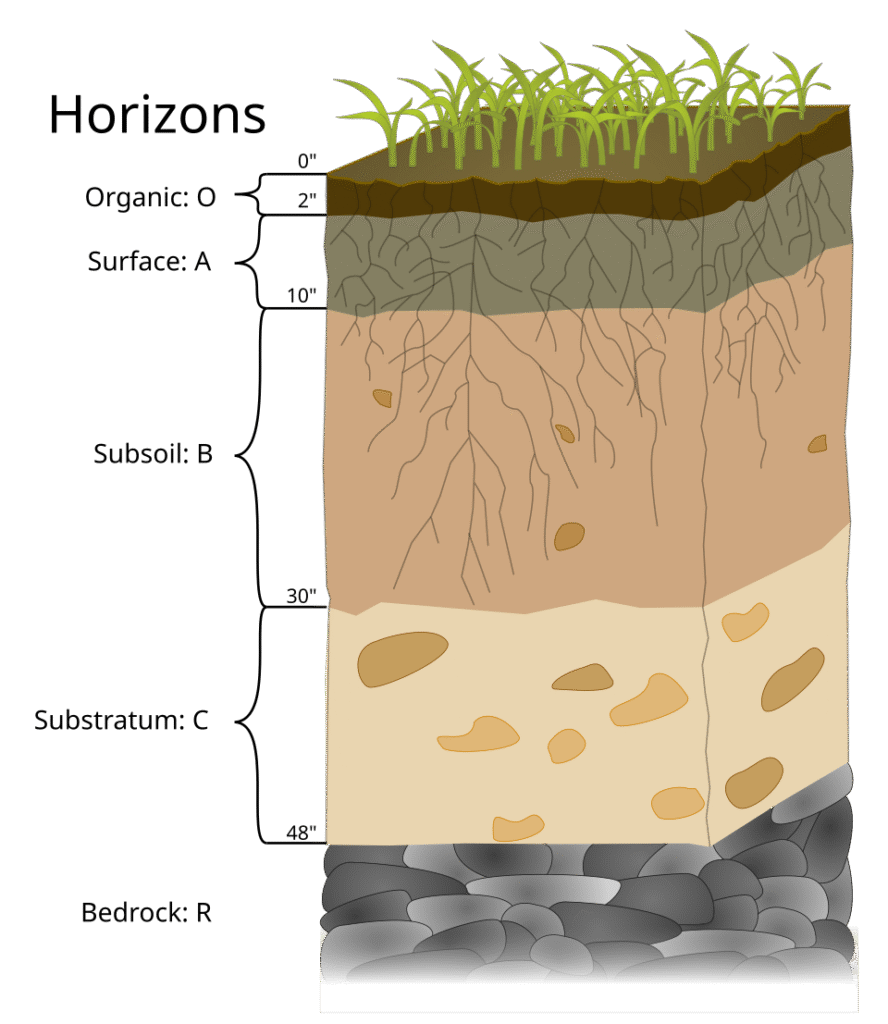
Horizon (A) – Topsoil The topsoil is soft, porous, and has a good capacity to retain water. It provides shelter to earthworms, insects, rodents, and other organisms. The roots of small plants are mostly embedded in this layer.
Horizon (B) – Subsoil The second layer is harder and more compact. It contains less humus but more minerals compared to the topsoil. This layer plays an important role in storing nutrients leaching down from the upper layer.
Horizon (C) – Parent Material This layer consists of partially weathered rock fragments and loose parent material. It represents the early stage of soil formation.
Bedrock (R) – Big Rocks Bedrock is the solid, dense, and unweathered rock layer located beneath the surface materials of soil, It acts as the foundational “R” horizon in soil, providing stability for infrastructure and essential nutrients to the ecosystem.
Soil Types of India
Over thousands of years, humans have tried to classify soil. In ancient times, soils were classified as:
- Urvara (fertile soil)
- Usara (infertile soil)
But now we classified them in two major ways:
- Based on soil particle size
- Based on genesis, colour, composition, and location
Classification Based on Soil Particle Size
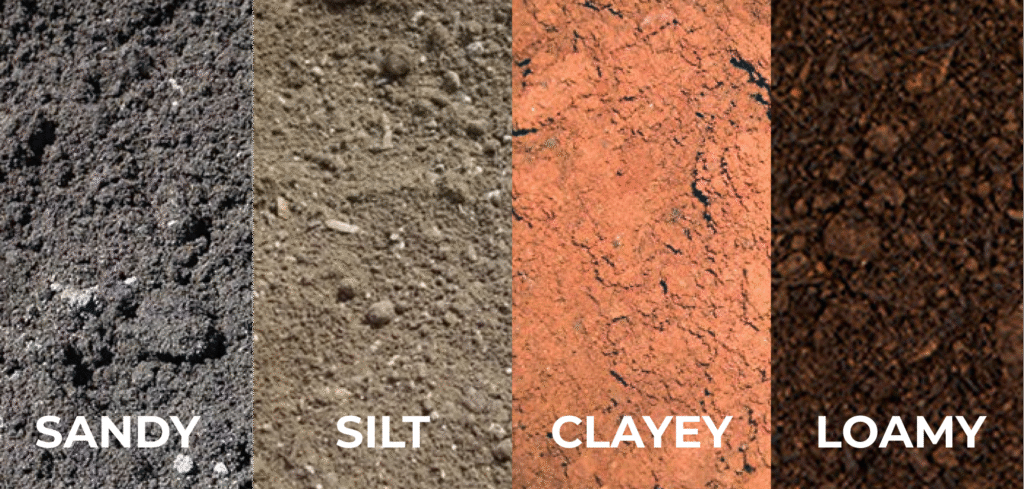
1. Sandy Soil (Large) Sandy soil contains a high proportion of large particles. These particles do not fit closely, leaving large air spaces. As a result, water drains quickly, making the soil dry and well-aerated.
2. Silt Soil (Medium) Particles are fine and smooth, holding moisture better than sand and rich in nutrients. Silt soil is commonly found in areas with water-deposited sediment, such as floodplains, river banks, deltas, and lakes.
3. Clayey Soil (Small) Clay soil consists of very fine particles that are tightly packed. This reduces air spaces but allows the soil to hold water for a longer time. Clay soil is heavy and has the highest water-holding capacity.
4. Loamy Soil (Balanced) Loamy soil is a balanced mixture of sand, silt, and clay. Silt particles are medium-sized and commonly found in river deposits. Loamy soil also contains humus and is considered the best soil for plant growth because it retains adequate water while allowing proper drainage.
Classification of Indian Soils Based on Genesis and Location
1. Alluvial Soil
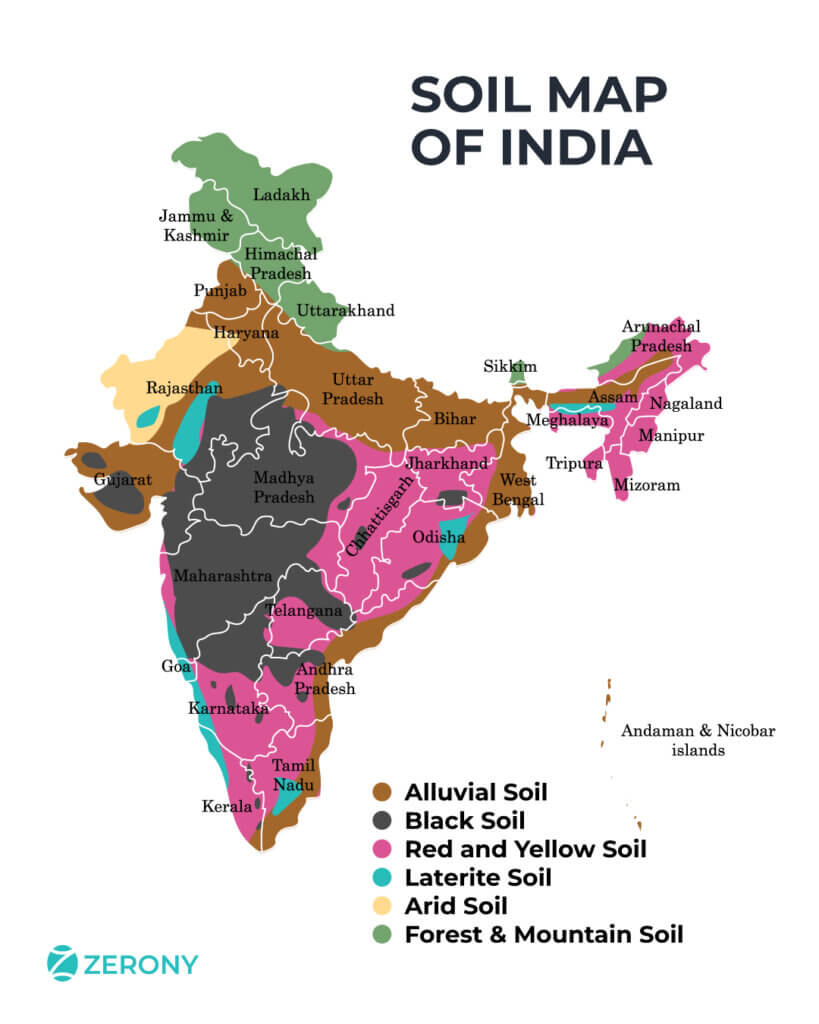
Alluvial soil covers nearly 40% of India’s total land area. It is found mainly in the northern plains and river valleys. This soil is transported and deposited by rivers and streams.
The largest area is in Punjab, Haryana, Delhi, Uttar Pradesh, Bihar, West Bengal, and Assam, and also in Eastern coastal areas, including the deltaic regions of the Mahanadi, Godavari, Krishna, and Kaveri rivers.
It can vary from sandy, loamy to clayey in nature. Generally, it is rich in potash but poor in phosphorus.
In the Ganga plains, it is divided into Khadar, new, fertile, light-colored, found in floodplains and Bhangar, old, less fertile, clayey, with kankars.
2. Black Soil
Black soil covers large parts of the Deccan Plateau, including Maharashtra, Madhya Pradesh, Gujarat, and parts of Andhra Pradesh and Tamil Nadu. It is also known as Regur Soil or Black Cotton Soil.
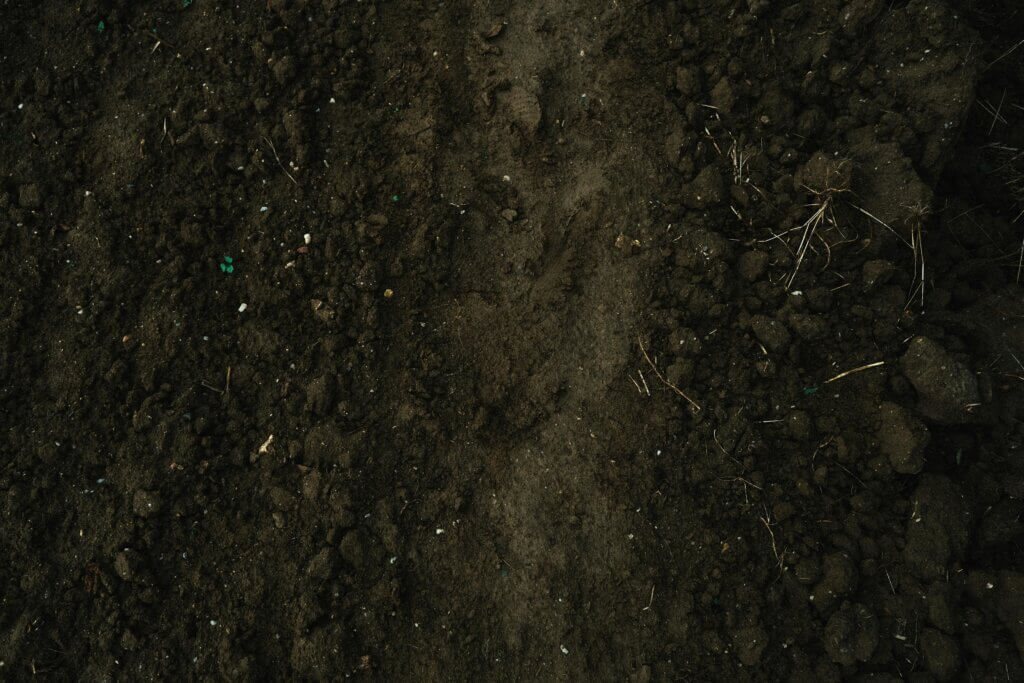
This soil is deep, clayey, and impermeable(not allowing liquid or gas to pass through). Black soil is formed through the weathering of volcanic lava rocks (basalt) over millions of years.
When wet, it becomes sticky, and when dry, it develops wide cracks. These cracks help in the self-ploughing of the soil. Black soil retains moisture for a long time, making it suitable for rain-fed crops. It is rich in lime, iron, magnesium, and aluminium but deficient in nitrogen and phosphorus.
3. Red and Yellow Soil
Red soil develops on crystalline igneous rocks in areas with low rainfall in eastern and southern parts of India, in the states of Tamil Nadu, Karnataka, Andhra Pradesh, Telangana, Chhattisgarh, and Odisha.
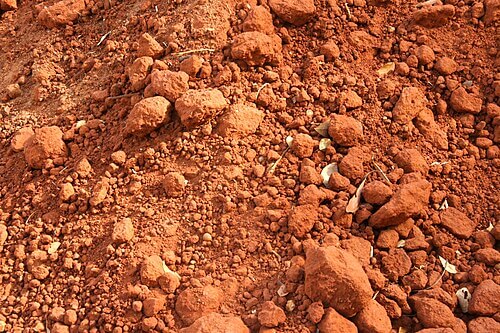
Red soil in formed through the long-term weathering of ancient crystalline and metamorphic rocks, such as granite and gneiss, under warm, humid conditions. It appears red due to the presence of iron. When the soil is dry, it looks red, and when wet, it looks yellow. These soils are poor in nitrogen, phosphorus, and humus.
4. Laterite Soil
The word “Laterite” comes from the Latin word later, meaning brick. Laterite soil develops in areas with high temperature and heavy rainfall due to intense leaching.
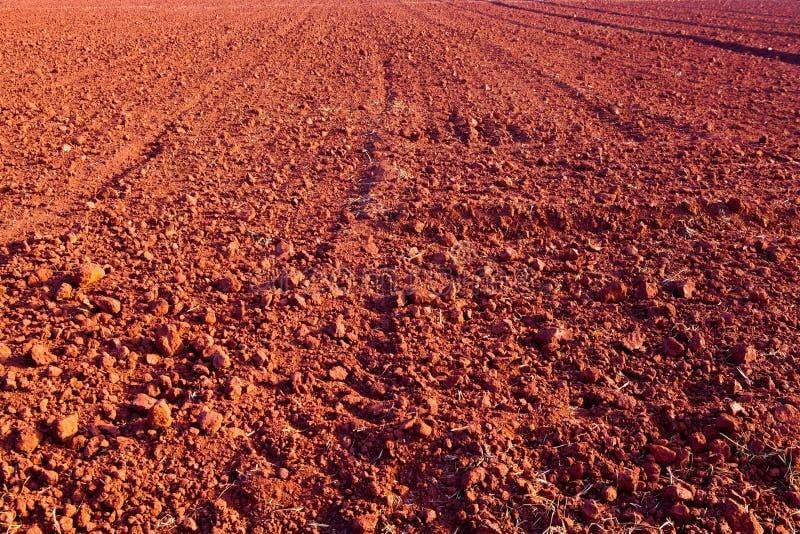
Heavy rainfall washes away nutrients like lime and silica, leaving behind iron oxide and aluminium compounds. These soils are poor in organic matter, nitrogen, calcium, and phosphates. It is found in Karnataka, Kerala, Tamil Nadu, Odisha, Madhya Pradesh, and Assam.
5. Arid Soil
Arid soil is found mainly in western Rajasthan. It is sandy in texture and saline in nature. Due to dry climate and high evaporation, it lacks moisture and humus.
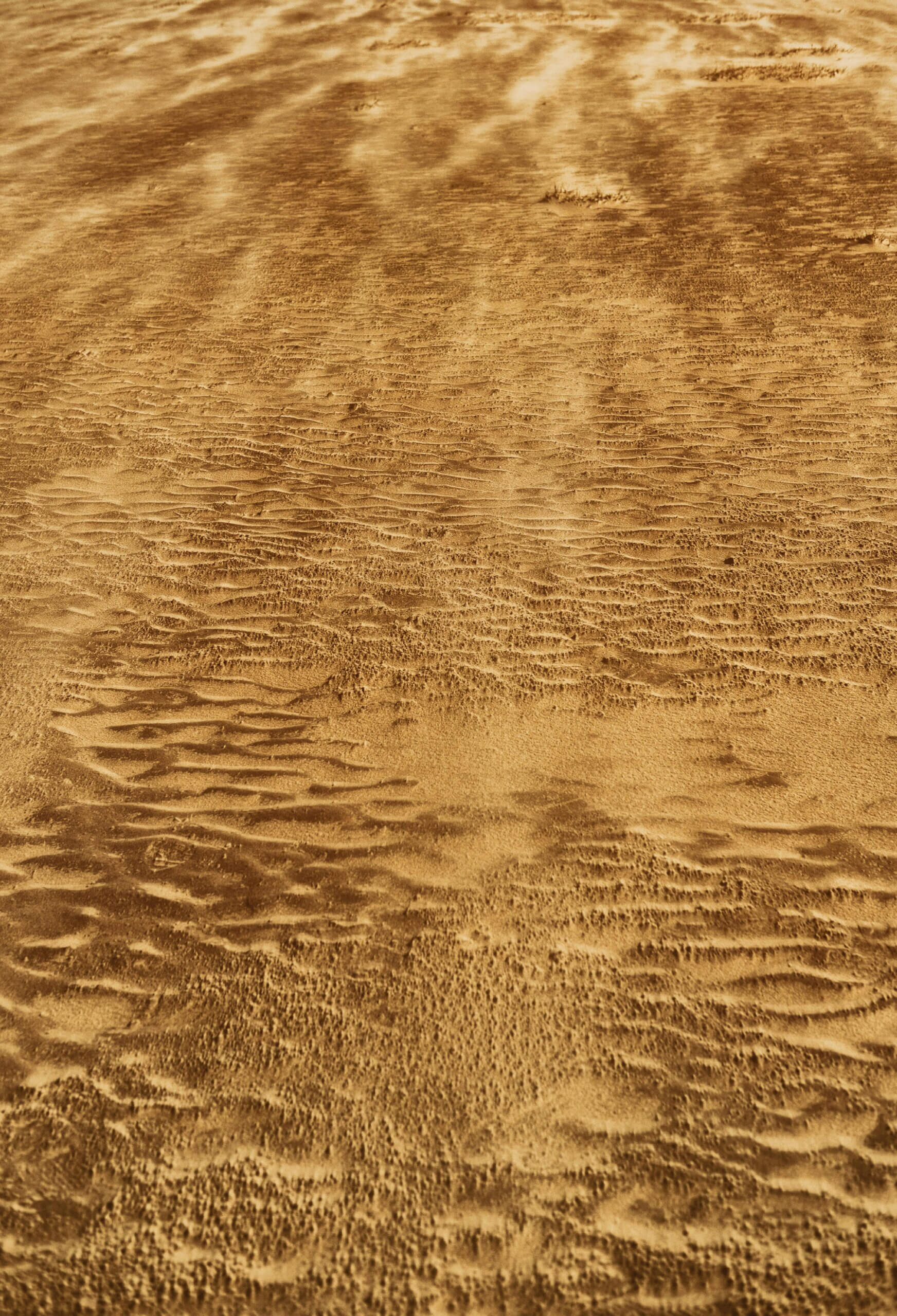
Nitrogen content is low, but calcium increases downward, forming a hard kankar layer, which restricts water infiltration.
6. Forest & Mountain Soil
Forest soils are found in forested and mountainous regions with sufficient rainfall. Their texture varies depending on relief and slope.
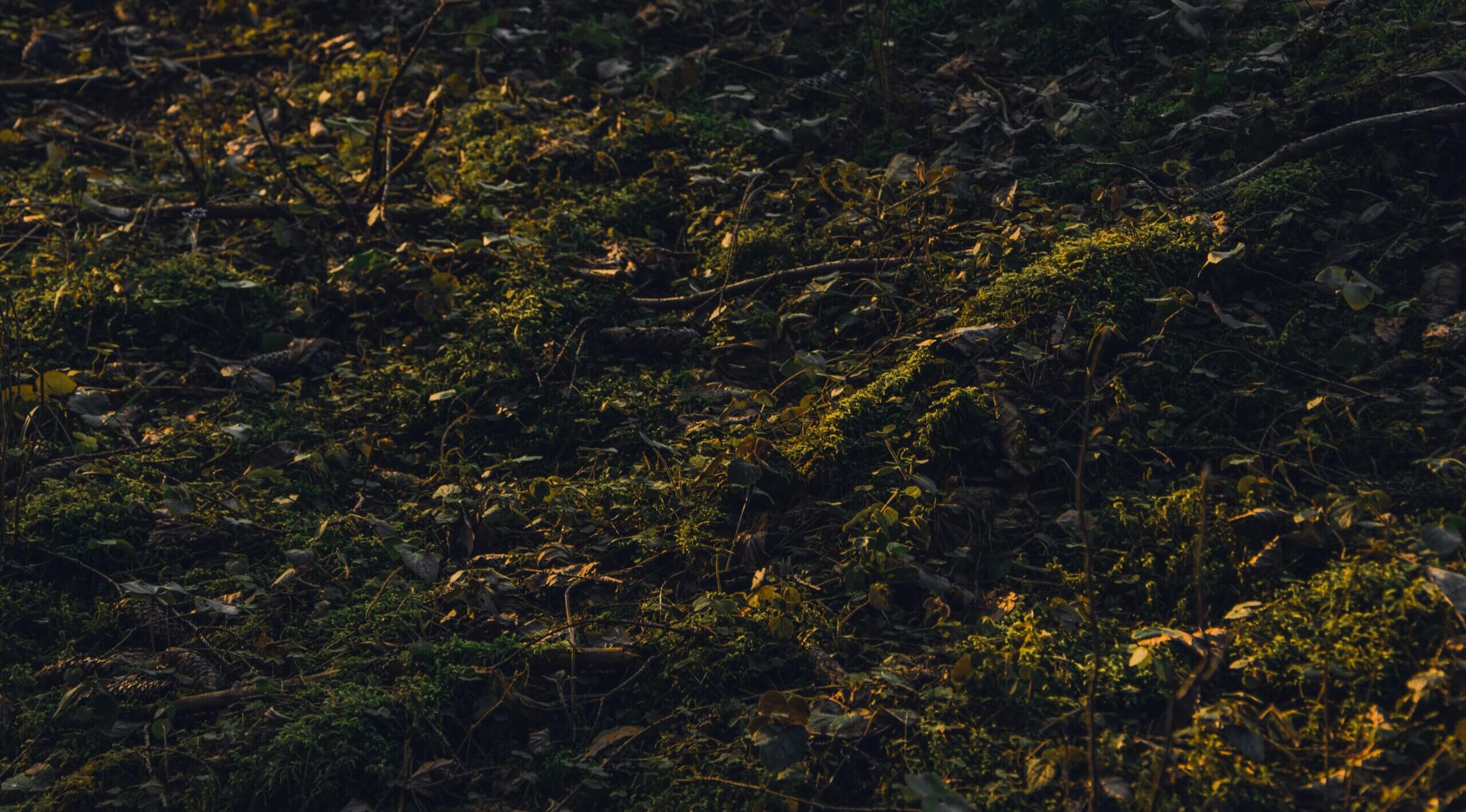
In valleys, they are loamy and fertile, while on upper slopes, they are coarse and acidic. These soils are found in the entire Himalaya region.