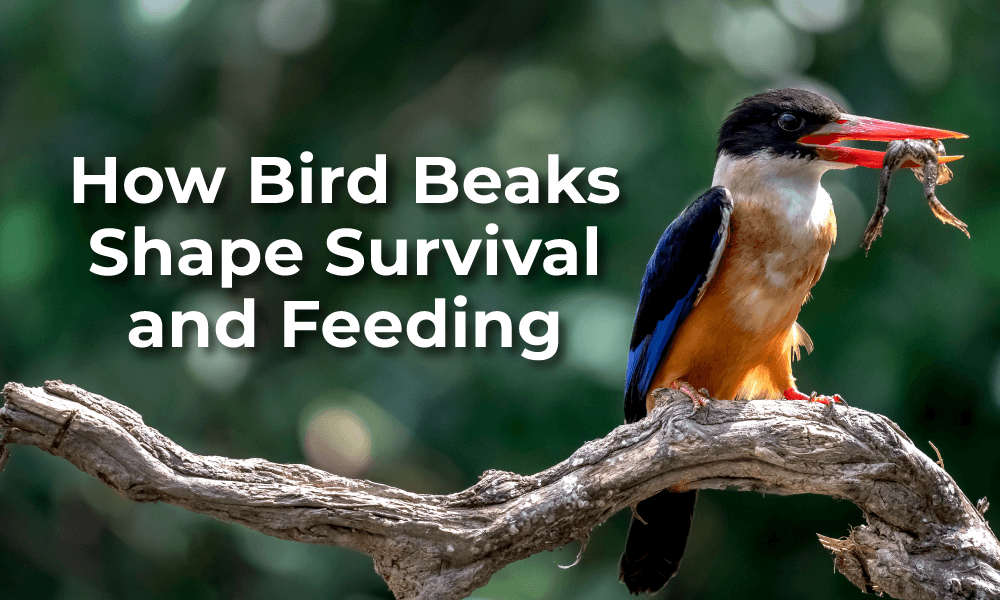
As dawn breaks and the world stirs from its slumber, the air fills with the melodies of birds. Some glide gracefully over shimmering lakes, while others flit among the treetops, tapping rhythmically against the bark. In the vast expanse of the sky, birds soar high, scanning the land below for their next meal. Among these feathered creatures lies a remarkable tool, one that plays a crucial role in their survival: the beak.
The beak, often overlooked, is more than just a bird’s mouth; it is an intricately designed instrument that reveals the secrets of its owner’s habitat, diet, and daily rituals. Have you ever paused to observe the beak of a bird and wondered about its purpose? Each beak tells a unique story, shaped by evolution to meet the specific needs of its user.
How these fascinating adaptations allow our feathered friends to thrive in the diverse habitats they call home.
1. Duck – Broad, Flat Beak (Filter Feeding Beak)
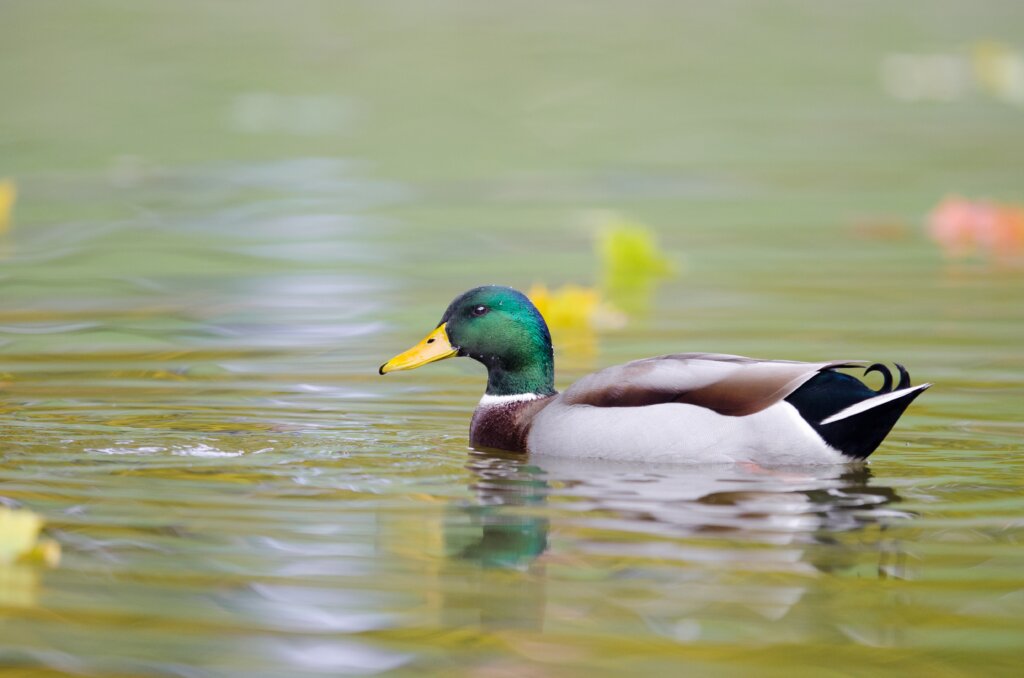
Picture a serene pond, where ducks gracefully paddle through the water. These charming birds have broad, flat beaks that are specially designed for filter feeding. With tiny comb-like edges along the sides, their beaks work like strainers. When a duck dips its head into the muddy water, it scoops up everything in its path: plants, insects, and tiny creatures. As the water flows out, the food remains trapped inside the beak.
Ducks thrive on a diet of aquatic plants, insects, worms, and small water organisms. They are social birds, often seen in groups, quacking and splashing as they swim and feed together. Their beaks allow them to explore the pond and find food efficiently. With each dip of their heads, they demonstrate the clever design of nature, showcasing how a simple beak can play such a vital role in survival.
As the sun rises, families of ducks can be seen floating peacefully on the water’s surface. They communicate with each other through soft quacks and are always alert for any dangers nearby. With their ability to filter food from the water, ducks are not just charming to watch; they are fascinating examples of how birds have adapted to their environments. The next time you spot a duck, take a moment to appreciate its remarkable beak and the vital role it plays in its daily life.
2. Gull – Medium, Slightly Hooked Beak (Grabbing and Tearing Beak)
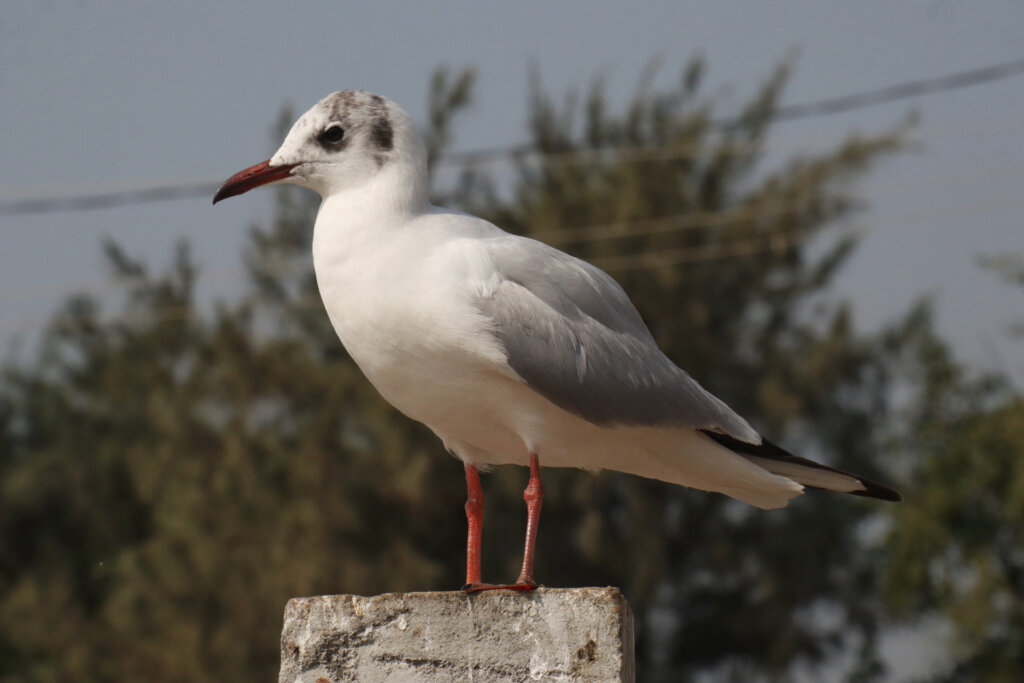
Along the coast, where waves crash and seagulls soar, the gull stands as a symbol of adaptability. With its medium-length, slightly hooked beak, this bird is perfectly equipped for life by the sea. Gulls are clever and resourceful, often seen flying above the shore or scavenging in cities. Their beaks are strong enough to catch fish and flexible enough to pick up food scraps.
Gulls thrive on a varied diet that includes fish, small sea animals, insects, and even leftovers from human meals. This versatility allows them to survive in different environments, whether they are diving into the water for a meal or scrounging for scraps in a busy park. Their beaks reflect their resourceful nature, allowing them to make the most of any opportunity.
As they glide effortlessly through the air, gulls often call out to one another, forming lively flocks. These birds are smart, using their intelligence to navigate a world full of challenges. When food is nearby, they swoop down with precision, showcasing the effectiveness of their beaks. Their adaptability and boldness make them fascinating creatures to observe. The next time you visit the beach or a lake, listen for their calls and watch as they soar each gull a testament to survival in the wild.
3. Eagle – Strong Hooked Beak (Flesh-Tearing Beak)
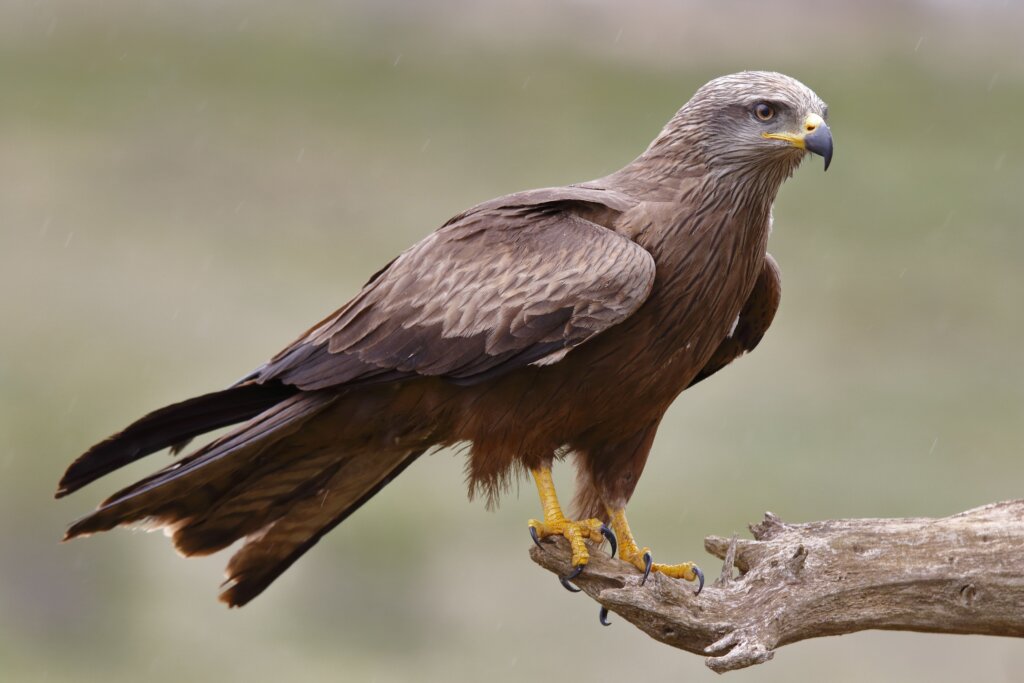
High above majestic mountains and vast forests, the eagle reigns as the king of the skies. With its strong, sharp, hooked beak that curves downward, this bird of prey is perfectly designed for hunting. As it soars, the eagle uses its keen eyesight to spot small animals and birds far below. Once it identifies its target, it swoops down with speed and grace.
The eagle’s beak is built for one primary purpose: tearing flesh. After catching its prey with powerful claws, the eagle uses its hooked beak to rip the meat into manageable pieces. This adaptation allows it to consume its meals efficiently, showcasing the bird’s prowess as a hunter. Eagles typically hunt during the day, taking advantage of their excellent vision to locate food.
Eagles are often solitary or found in pairs, building large nests high on cliffs or tall trees where they can watch over their territory. They symbolise strength and freedom, their powerful presence commanding respect. As they glide above the landscape, eagles embody the spirit of the wild, reminding us of the beauty of nature’s design. Next time you gaze at the sky and spot an eagle, take a moment to appreciate its impressive beak a tool forged for survival in the great outdoors.
4. Crossbill – Crossed Beak (Cone Seed Extractor)
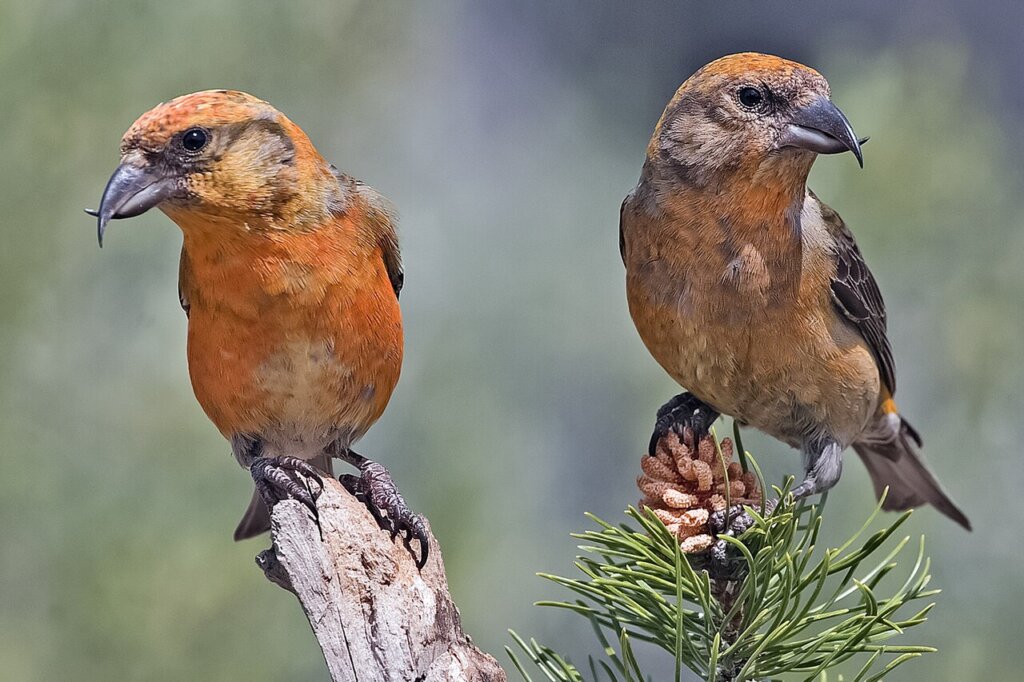
In the heart of pine forests, the crossbill stands out with its unique crossed beak. Unlike most birds, whose beaks meet straight, the crossbill’s upper and lower parts crisscross, creating a special tool for extracting seeds from hard pine cones. This fascinating adaptation allows the crossbill to thrive in its environment, where food is often hidden and hard to reach.
When the crossbill finds a pine cone, it expertly pushes its beak between the cone scales and twists to open them. With its tongue, it pulls out the seeds inside, enjoying a tasty treat. This clever method of feeding makes the crossbill a proficient forager in its forest habitat. They often move in flocks, sharing the bounty of seeds found in the trees around them.
Crossbills are also unique because they may breed during the colder months when cones are full of seeds. This behaviour helps them take advantage of food availability and ensures the survival of their young. As you walk through a pine forest, keep an eye out for these remarkable birds. Their distinctive beaks and their ability to adapt to their surroundings make them a true wonder of nature.
5. Night Hawk – Short, Wide Beak (Aerial Insect Catcher)
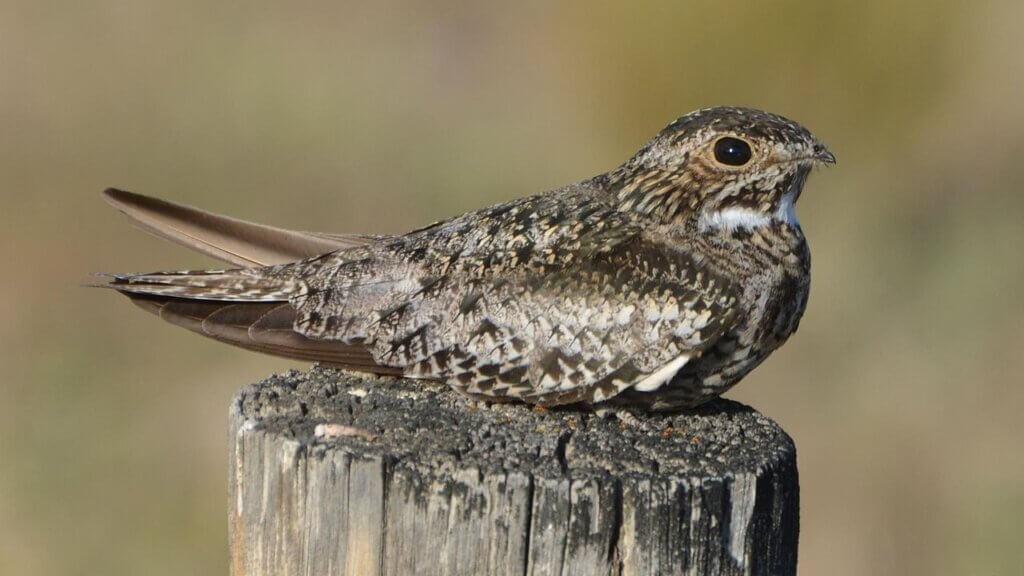
As the sun sets and twilight blankets the sky, the night hawk awakens from its daytime slumber. This fascinating bird has a short, wide beak that opens impressively wide, making it a master at catching insects in the air. Unlike many birds, the night hawk doesn’t sit on branches to feed. Instead, it flies gracefully through the dusk, mouth open, to trap flying insects like moths and beetles.
With each swoop and dive, the night hawk captures its meals mid-flight, showcasing its unique feeding style. This bird is most active during the evening and night, when insects are plentiful. Its quiet demeanour and camouflage feathers help it blend into its surroundings, allowing it to hunt undetected.
Night hawks are nocturnal and prefer to rest during the day, often finding shelter in trees or grassy areas. Their silent flight and skilled hunting techniques make them a remarkable sight in the evening sky. The next time you find yourself outside at dusk, listen for the gentle call of a night hawk and marvel at its ability to feast on insects while gliding through the air.
6. Avocet – Long, Thin, Curved Beak (Sweeping Beak)
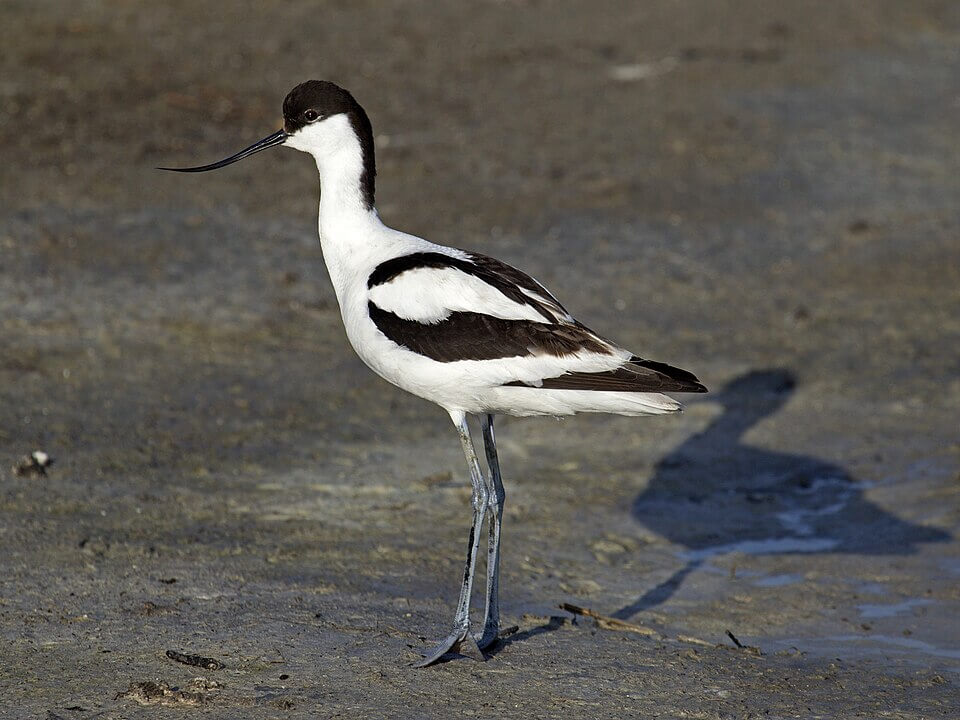
In the shallow wetlands where water meets land, the avocet elegantly moves about, its long, thin, and curved beak perfectly adapted for feeding. These graceful birds are known for their unique sweeping motion as they search for food. Instead of pecking like many other birds, avocets sweep their beaks side to side through the water, catching tiny insects and aquatic organisms hiding in the mud.
As they walk slowly through shallow waters, avocets demonstrate a serene feeding style. Their beaks allow them to filter through the muck, locating small prey. With each gentle sweep, they showcase the beauty of their design, perfectly crafted for a life spent in wetlands.
Avocets often thrive in social groups, moving together as they forage. Their calm demeanour adds to the picturesque scene of the wetlands. These birds play an essential role in their ecosystem, helping to control insect populations and maintain the balance of their habitat. When observing avocets, take a moment to appreciate their specialised beaks and the graceful way they move through their watery home.
7. Woodpecker – Chisel-shaped Beak (Tree Drilling Beak)
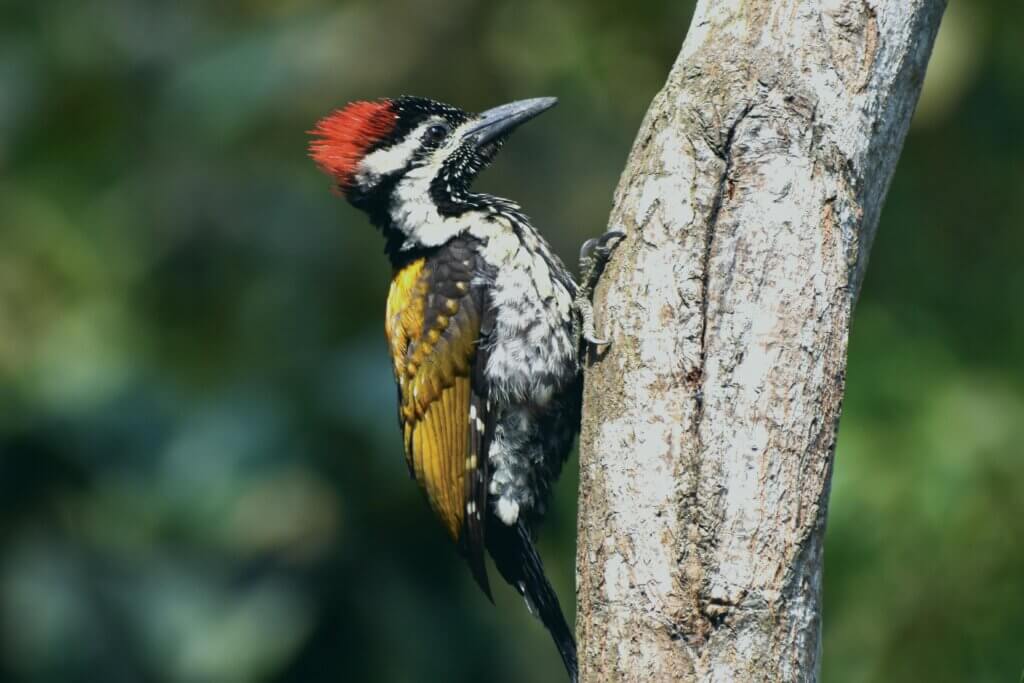
In the heart of lush forests, the sound of “tap-tap-tap” resonates through the trees, signalling the presence of a woodpecker. This remarkable bird sports a strong, straight, chisel-shaped beak designed specifically for drilling into wood. With each tap, woodpeckers search for insects hiding within the bark of trees.
Their beaks work like hammers, allowing them to create holes in the wood to find food. Woodpeckers are skilled at extracting insects and larvae, playing a vital role in maintaining healthy forests by controlling pest populations. They also use their beaks to create nesting holes, making them essential contributors to their ecosystems.
Woodpeckers can often be seen flitting between trees, their colorful plumage adding vibrancy to the forest. They have a unique tapping rhythm that echoes in the woods, making them easy to identify. As you walk through a forest, keep an ear out for their distinctive sound, and watch for these industrious birds as they go about their work.
8. Parrot – Strong, Curved Beak (Cracking and Climbing Beak)
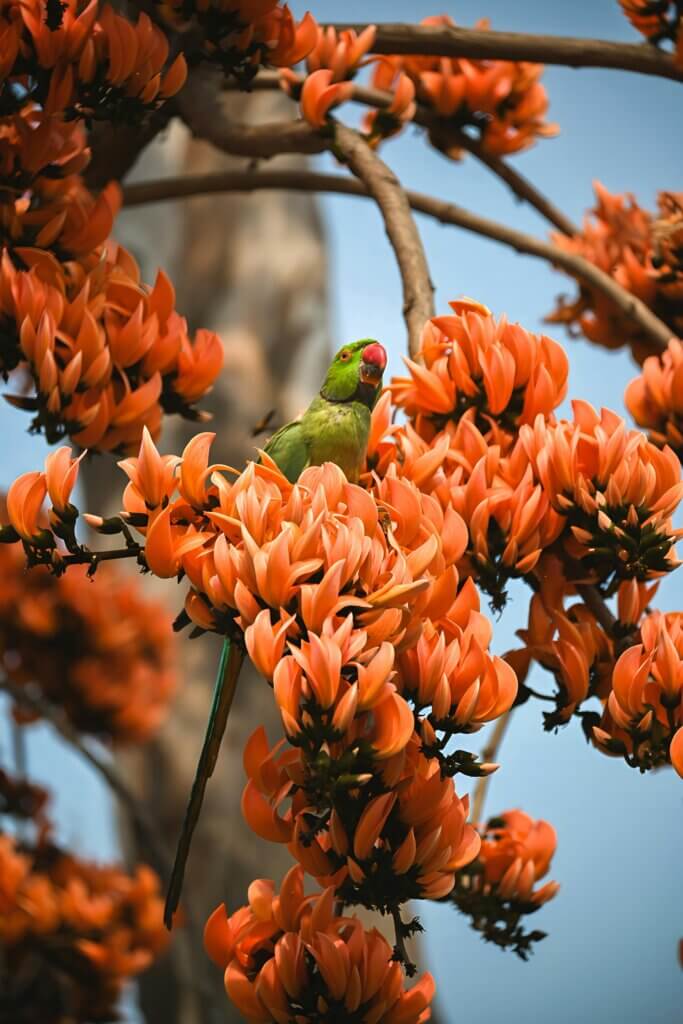
In the vibrant canopies of tropical forests, colourful parrots flash their brilliant feathers. With their strong, thick, curved beaks, these intelligent birds are perfectly equipped for cracking hard nuts and seeds. Parrots use their beaks like a third hand, holding food with their feet while breaking it apart with ease.
These social birds thrive in flocks, communicating loudly with one another. Their beaks not only help them feed but also assist them in climbing branches and exploring their surroundings. Parrots are known for their playful nature, often engaging with their environment and showcasing their curiosity.
The vibrant colours of a parrot’s feathers are as striking as their personalities. As they interact with their companions, they communicate through a series of calls and vocalisations, creating a lively atmosphere in the treetops. Parrots are not just beautiful; they are also intelligent and social, making them fascinating to observe. When you encounter a parrot, take a moment to appreciate its strong beak and the vital role it plays in its life among the trees.
9. Flamingo – Bent Filter Beak (Mud Filtering Beak)
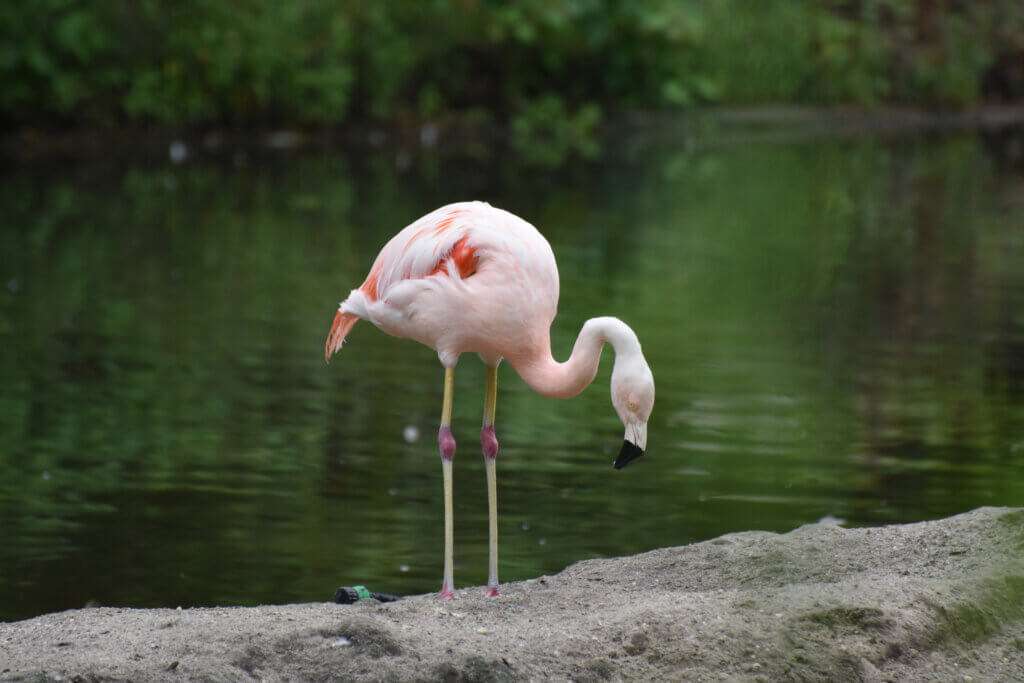
In the shallow waters of wetlands, flamingos stand tall on their long legs, their striking pink feathers catching the light. With a unique bent filter beak, these graceful birds are experts at feeding in muddy water. The flamingo dips its head upside down, using its beak to filter out algae and tiny organisms, creating a delightful feast.
This specialised beak allows flamingos to sift through the murky water, capturing food with ease. The pigments in their diet contribute to their beautiful colouration, turning them into one of nature’s most picturesque birds. These social creatures often gather in large colonies, creating a stunning sight as they wade gracefully together.
Flamingos spend a lot of time searching for food, demonstrating patience and precision. Their unique method of feeding highlights the beauty of their design, allowing them to thrive in their watery environments. When you see a flock of flamingos, take a moment to admire their elegant movements and the clever way their beaks work to find nourishment in the depths of the water.
10. Spoonbill – Spoon-shaped Beak (Scooping Beak)
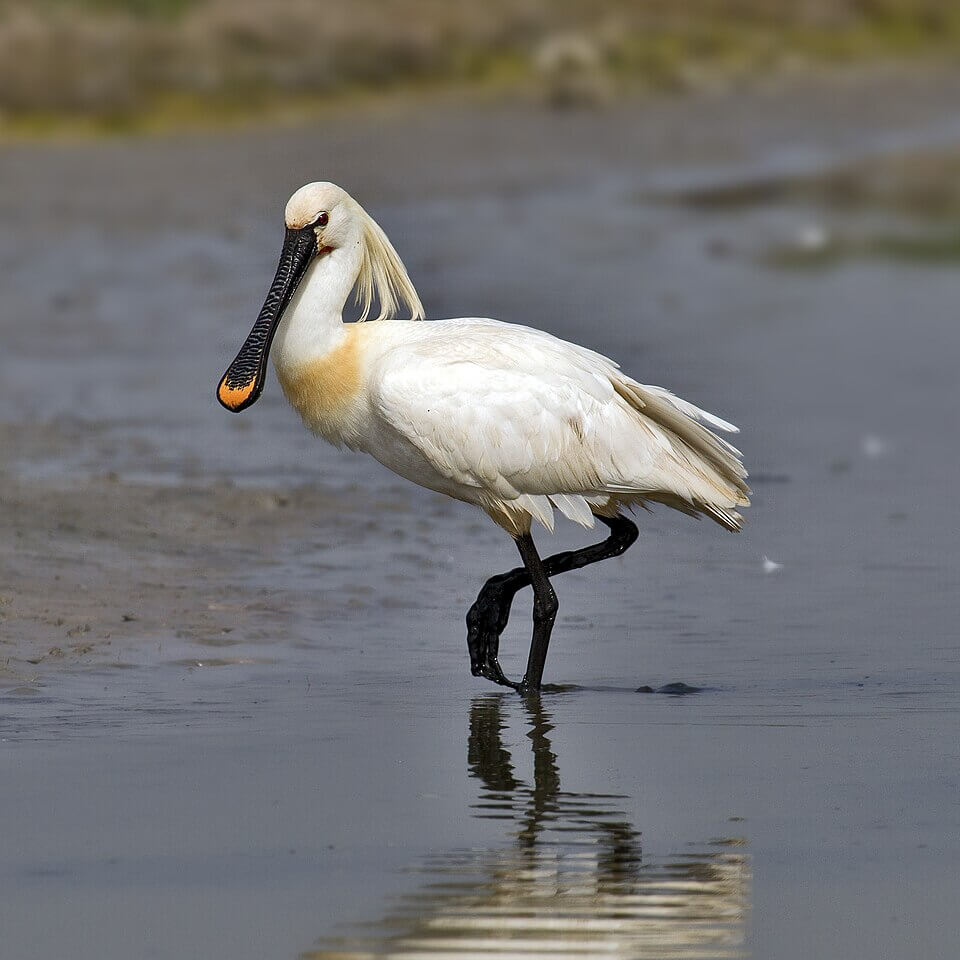
In the wetlands where water flows, and life abounds, the spoonbill stands out with its distinctive spoon-shaped beak. This unique design is easily recognisable, allowing spoonbills to scoop food from shallow waters. As they move gracefully through the wetlands, their beaks sweep side to side, sensing for fish and small aquatic creatures.
When a fish or insect brushes against their beak, it snaps shut quickly, securing the meal. Spoonbills are patient feeders, often seen walking slowly through the water, waiting for the perfect moment to catch their prey. Their beaks are not just effective; they are also a beautiful example of nature’s design.
These birds thrive in wetlands and marshy areas, where they can find ample food. Spoonbills often gather in groups, creating a picturesque scene as they feed together. When you encounter a spoonbill, take a moment to admire its unique beak and the skilful way it uses it to navigate the waters, showcasing the beauty of life in wetland ecosystems.
11. Pelican – Pouch Beak (Fish Scooping Beak)
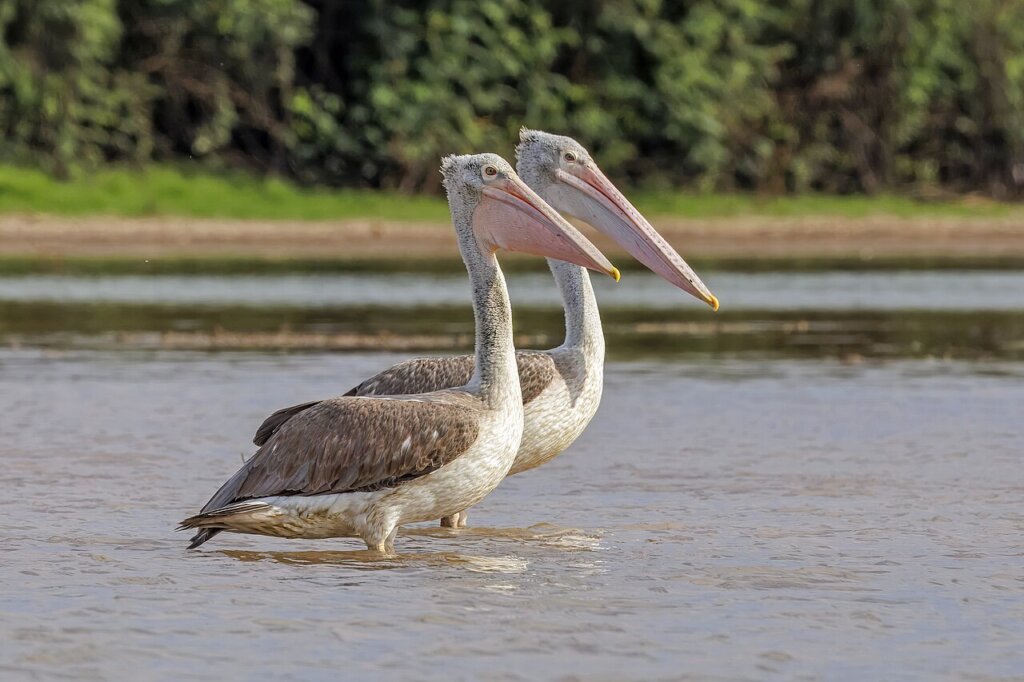
By the shore, where the waves lap gently against the sand, the pelican is a fascinating sight. With its long beak featuring a large pouch, this bird is a skilled fisherman. The pelican scoops fish and water into its beak, using its pouch to hold the catch. After catching its meal, it drains the water before swallowing the fish, demonstrating a remarkably effective fishing technique.
Pelicans are often seen fishing in groups, working together to herd fish into shallow waters. Their cooperative behaviour makes for an impressive display, showcasing teamwork in the animal kingdom. With their unique beaks, pelicans efficiently catch food, navigating their coastal environments with ease.
These birds are not only adept hunters but also captivating to observe. Their elegant glides over the water and synchronised movements while fishing create a mesmerising scene. When you witness the pelican in action, take a moment to appreciate its pouch beak and the role it plays in its successful fishing endeavours, showcasing the wonders of nature.
From the duck’s filtering beak to the eagle’s tearing beak, every bird’s beak in the image tells a clear story. The beak shape is not random; it is perfectly connected to the bird’s food habits, environment, and daily life. Nature has designed each beak like a tool, helping birds survive in different habitats across the world.
So, the next time you see a bird, take a moment to observe its beak because you’ll be looking at a beautiful example of nature’s smart engineering.