India is a country rich in culture, history, and natural beauty. Just like it has a national flag, national animal, and national bird, it also has a national tree. The national tree of India is the Banyan tree. It is not just a tree, but a symbol of strength, longevity, and unity.
What is the Banyan Tree?
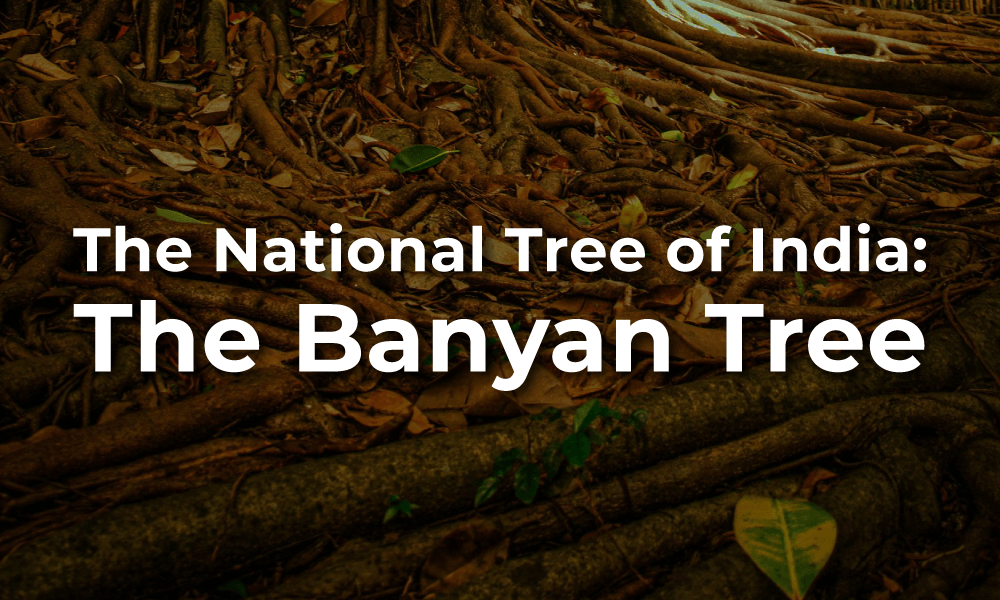
The Banyan tree is a large and long-living tree. It belongs to the fig family and is known for its unique structure. Unlike most trees that grow a single trunk, the Banyan tree grows many roots that hang down from its branches. These roots reach the ground and grow into new trunks. Because of this, one Banyan tree can spread over a very large area.
This tree is commonly found in many parts of India, especially in villages, parks, and temples. It provides shade, beauty, and a place for people and animals to gather.
Why is it the National Tree?
The Banyan tree was chosen as the national tree of India because it represents many important qualities. It is strong, long-lasting, and ever-growing. These qualities reflect the spirit of India—resilient and full of life.
Another reason is its cultural importance. For centuries, people in India have respected and worshipped the Banyan tree. It is often seen as a symbol of immortality because it can live for hundreds of years and continues to grow new trunks.
Unique Features of the Banyan Tree
The Banyan tree has several unique features that make it special:
- Aerial Roots: Its branches produce roots that hang down in the air. When these roots touch the ground, they grow into thick trunks.
- Wide Spread: A single tree can cover a large area, sometimes as big as a football field.
- Long Life: Banyan trees can live for hundreds of years.
- Evergreen Nature: It stays green throughout the year.
Because of these features, the Banyan tree looks more like a forest than a single tree.
Cultural and Religious Importance
The Banyan tree holds great importance in Indian culture and religion. It is often associated with wisdom, knowledge, and longevity. Many people believe that gods and spirits live in this tree.
In Hindu tradition, the tree is linked to the Trimurti—Brahma, Vishnu, and Shiva. Women often pray around the Banyan tree for the long life of their husbands, especially during festivals like Vat Savitri.
In many villages, the Banyan tree is a common meeting place. People gather under its shade to talk, rest, and hold community discussions. It plays an important role in social life.
Environmental Importance
The Banyan tree is not only culturally important but also environmentally valuable. It helps in many ways:
- Provides Shade: Its large canopy offers cool shade, especially in hot climates.
- Supports Wildlife: Birds, insects, and animals find shelter and food in this tree.
- Improves Air Quality: Like other trees, it absorbs carbon dioxide and releases oxygen.
- Prevents Soil Erosion: Its strong root system holds the soil firmly.
Because of these benefits, the Banyan tree is very useful for the environment.
Protection and Awareness
Today, many trees are being cut down due to urban development and other reasons. It is important to protect trees like the Banyan. They are not only part of our natural heritage but also essential for our survival.
People should be encouraged to plant trees and take care of them. Schools, communities, and governments all have a role to play in protecting nature.
The Banyan tree is more than just the national tree of India. It is a symbol of life, growth, and unity. Its unique structure, cultural importance, and environmental benefits make it truly special.
By understanding and respecting the Banyan tree, we also learn to value nature and its role in our lives. Protecting such trees ensures a better future for generations to come.
In simple words, the Banyan tree teaches us strength, patience, and togetherness—qualities that are important not only for a country but for every individual.