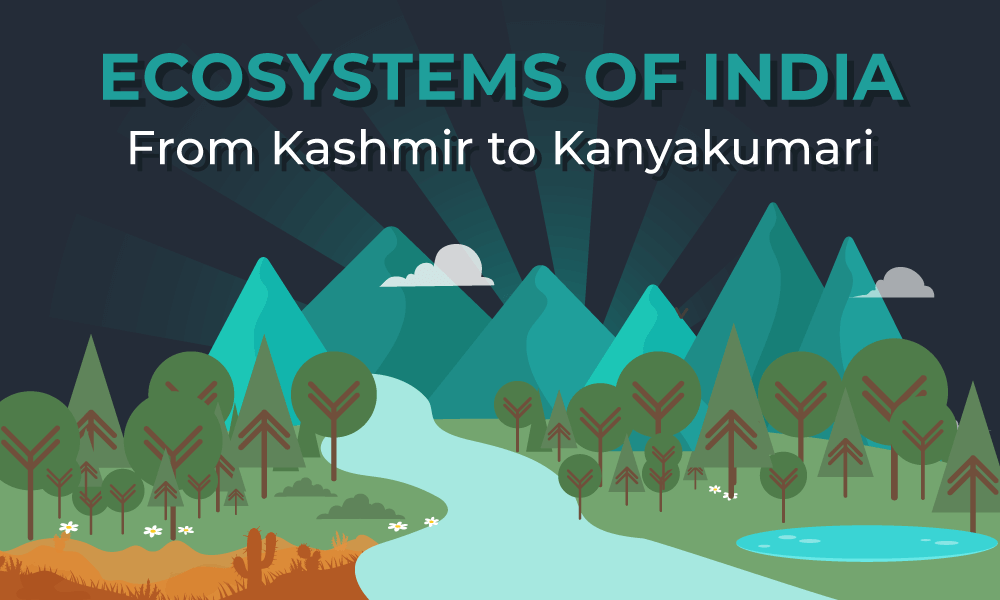
India is home to an incredible variety of animals. From the snowy mountains of the Himalayas to the tropical forests of the Western Ghats, from the deserts of Rajasthan to the wetlands of the northeast, every region has its own wildlife.
But not all of these animals are easy to find.
Some live in very small areas. Others need a particular type of forest, grassland, wetland, or mountain habitat to survive. A few have been pushed into smaller and smaller parts of their natural range because of habitat loss, hunting, pollution, and other human activities.
These animals are often called rare because they are difficult to find in the wild or have very small populations. Some are also endangered, meaning they face a high risk of disappearing from the wild.
Here are ten of India’s rare and fascinating animals that are worth knowing about.
1. Snow Leopard
High in the mountains of the Himalayas lives one of India’s most mysterious animals — the snow leopard.
Snow leopards are found in the high-altitude regions of Ladakh, Jammu and Kashmir, Himachal Pradesh, Uttarakhand, Sikkim, and Arunachal Pradesh. They usually live in cold, rocky landscapes where the mountains can rise thousands of metres above sea level.
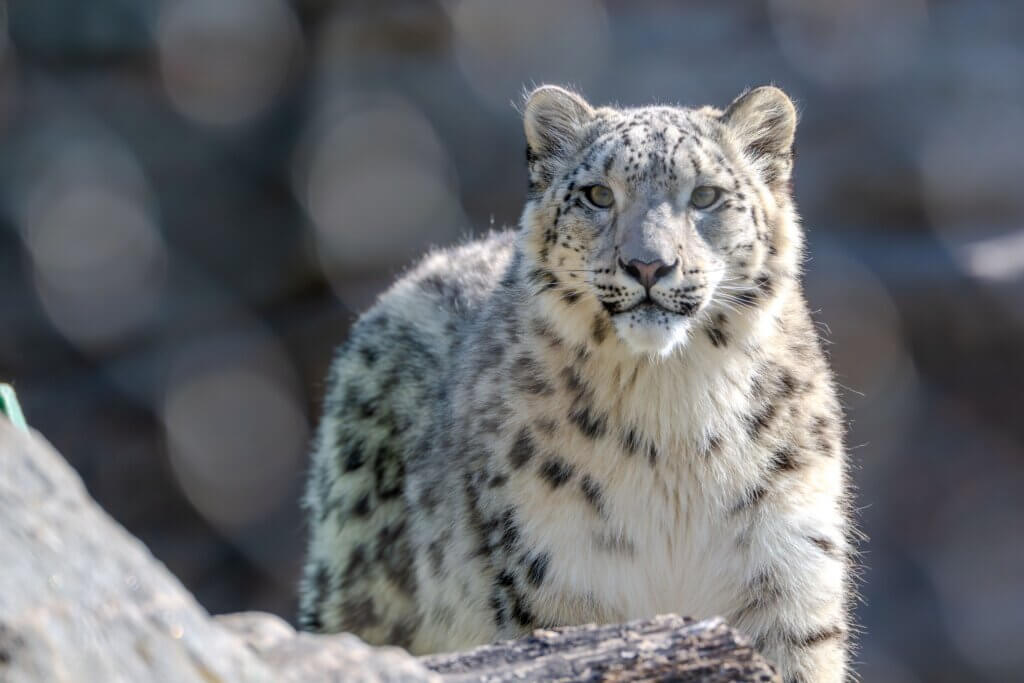
Seeing one is extremely difficult. Their thick, greyish fur blends beautifully with rocks and snow, making them almost invisible against the mountain landscape. They also have large paws that work like natural snowshoes, helping them walk across snow.
Snow leopards are excellent hunters. Their powerful hind legs allow them to leap great distances while chasing mountain animals such as Himalayan blue sheep and ibex.
Because they live in remote mountains and have large territories, even wildlife researchers can spend days searching for them without seeing one.
That is part of what makes the snow leopard so special. In the high Himalayas, you may be surrounded by mountains, rocks and snow and still have no idea that one of these beautiful cats is watching from a distant ridge.
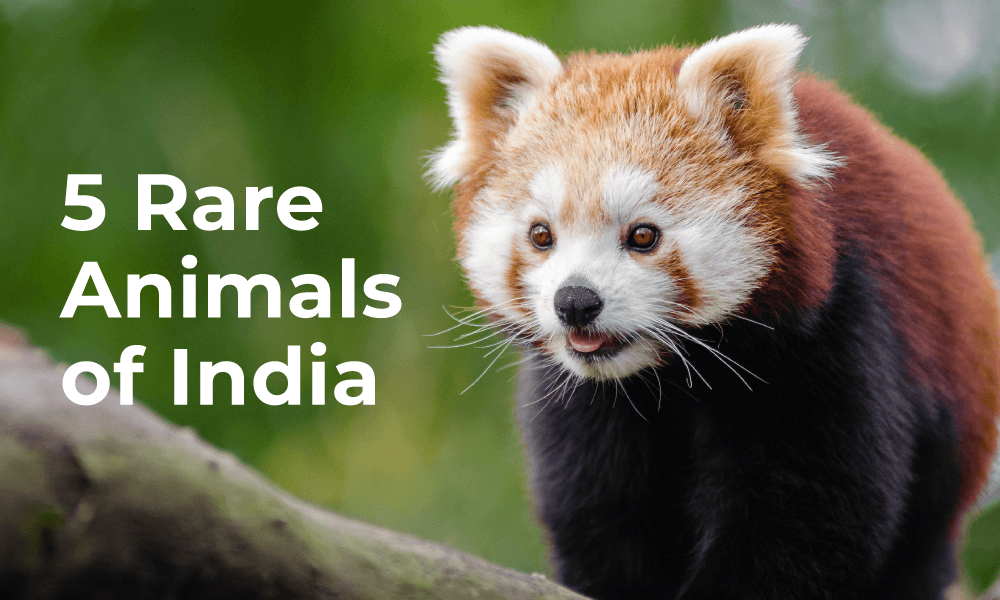
2. Red Panda
Deep in the forests of the eastern Himalayas lives another unusual animal — the red panda.
Despite its name, the red panda is not closely related to the giant panda. It is a unique animal with its own family.
In India, red pandas are found mainly in Sikkim, northern West Bengal, and parts of Arunachal Pradesh. They prefer cool mountain forests filled with bamboo.
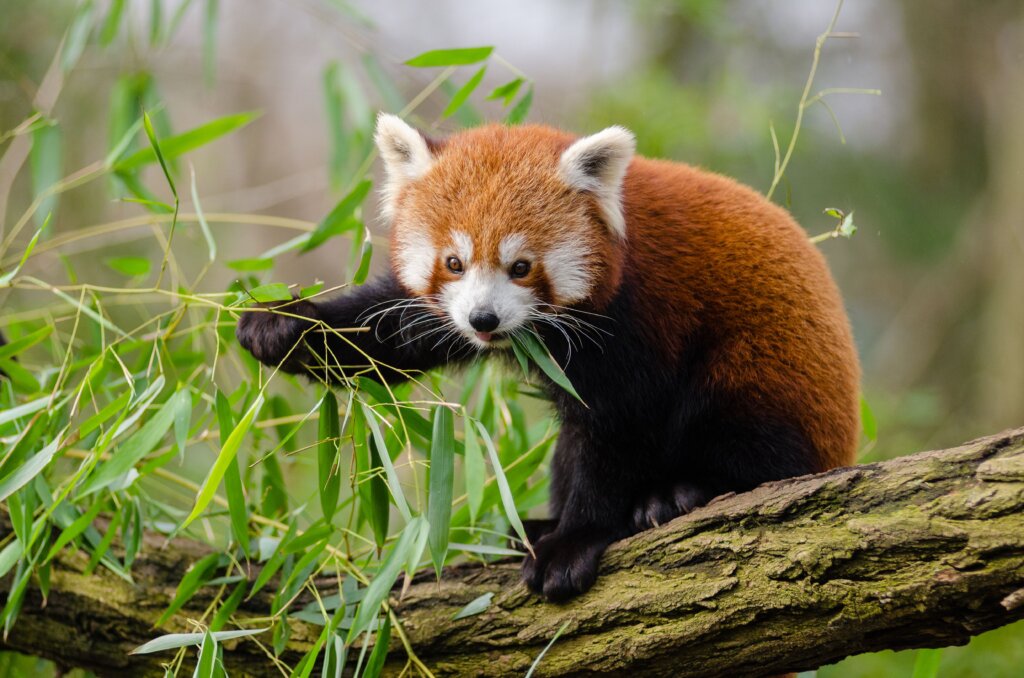
Red pandas are small, with reddish-brown fur, a long fluffy tail, and a face that makes them look almost like a mixture of a cat, raccoon, and teddy bear.
They spend much of their time in trees. Their long claws and flexible ankles help them climb, and they can even move head-first down tree trunks.
Bamboo makes up a large part of their diet, although they also eat fruits, insects, eggs, and other small foods.
Unfortunately, red pandas face several threats. Forests are being cleared and broken into smaller pieces, reducing the connected habitat they need. They are also sometimes caught in traps meant for other animals.
Finding a red panda in the wild is a rare experience. For most people, these shy animals remain hidden somewhere in the misty forests of the eastern Himalayas.
3. Pygmy Hog
Imagine finding the world’s smallest wild pig hiding in the grasslands of India.
That is exactly what you get with the pygmy hog.
The pygmy hog is found in the grasslands of Assam. It is tiny compared with other wild pigs, standing only around 25 centimetres tall at the shoulder.
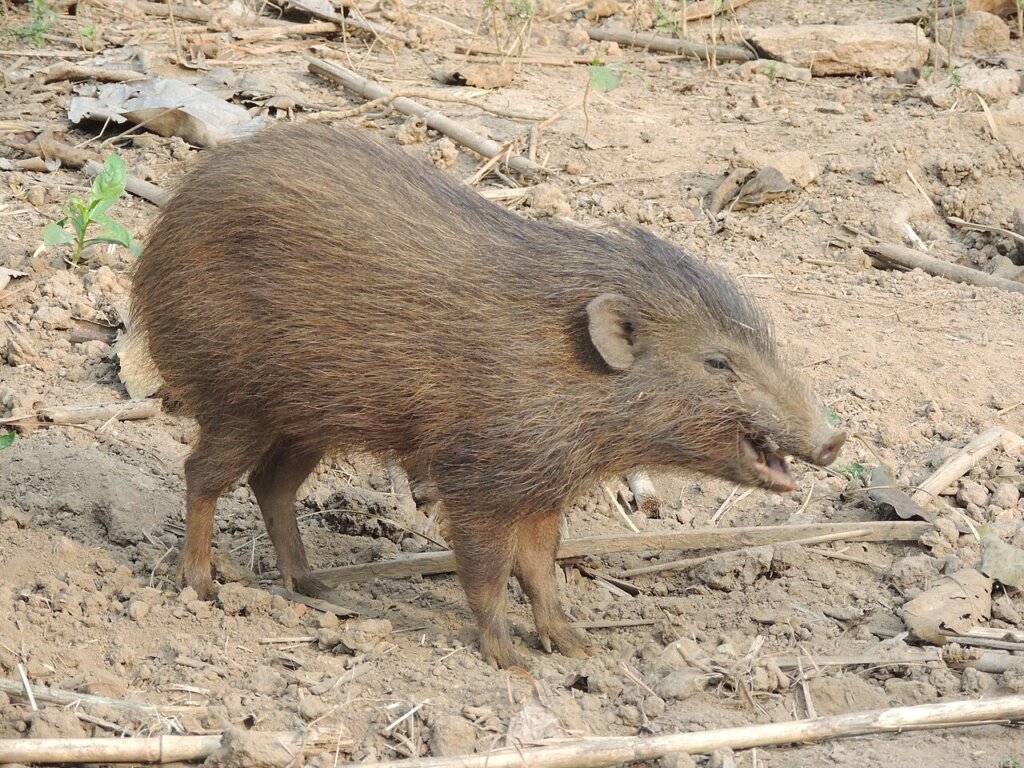
These little animals prefer tall, dense grasslands where they can hide from predators and find food. They eat roots, insects, small animals, and other food they find among the vegetation.
For a long time, the pygmy hog was believed to be extremely close to extinction. Changes in grassland habitats caused their numbers to fall dramatically.
One interesting thing about pygmy hogs is that they are not simply animals that live in grasslands. They actually help shape their habitat. They dig into the soil while searching for food and create small paths and nests within the grass.
Conservation programmes have helped bring pygmy hogs back to some protected areas.
Still, they remain one of India’s rarest mammals.
They are a good reminder that protecting wildlife is not only about saving large and famous animals such as tigers and elephants. Sometimes, a tiny pig hidden beneath tall grass needs just as much attention.
4. Nilgiri Tahr
The steep mountains of southern India are home to the Nilgiri tahr, a wild mountain goat-like animal found mainly in the Western Ghats.
Nilgiri tahrs live among rocky cliffs, grasslands, and mountain slopes. They are particularly associated with the high-altitude grasslands of the southern Western Ghats.
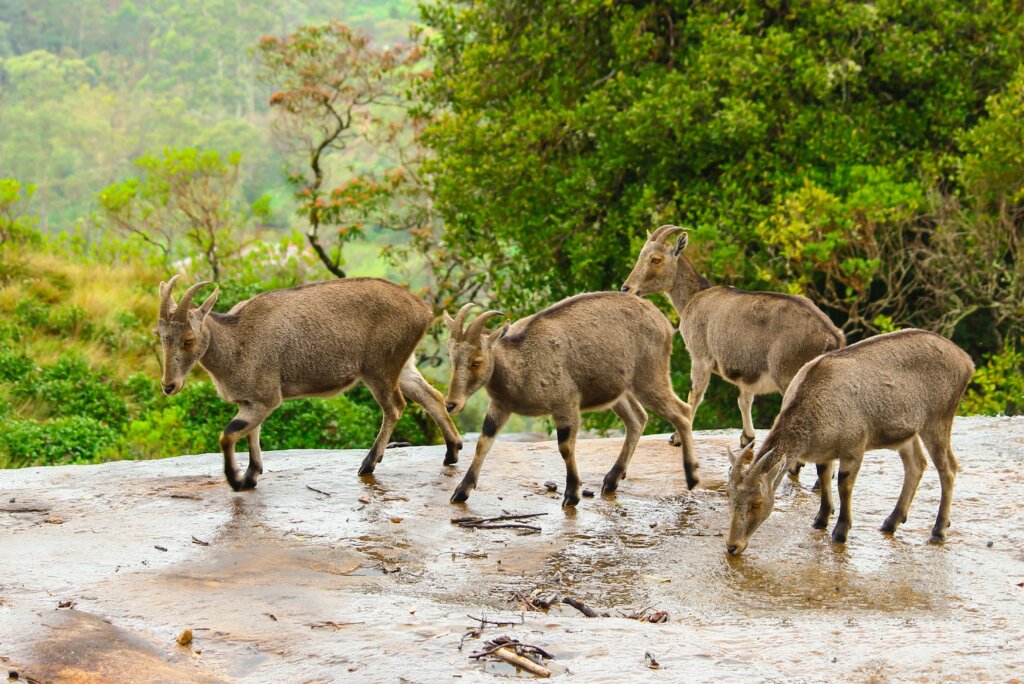
Their strong legs and hooves allow them to move across steep rocky terrain with surprising ease.
One of the best-known places to see them is Eravikulam National Park in Kerala.
Male Nilgiri tahrs become larger and heavier than females and develop a darker coat as they mature. They also have curved horns.
Their biggest challenge is the loss and alteration of their mountain habitat. Plantations, roads, invasive plants, and other changes to the landscape have reduced suitable habitat in many places.
The Nilgiri tahr is a beautiful example of how closely an animal can be connected to a particular landscape. Protect the mountain grasslands, and you protect the tahr too.
5. Lion-tailed Macaque
Deep inside the rainforests of the Western Ghats lives a small black monkey with a very unusual tail — the lion-tailed macaque.
Its name comes from the tuft of hair at the end of its tail, which gives it a somewhat lion-like appearance.
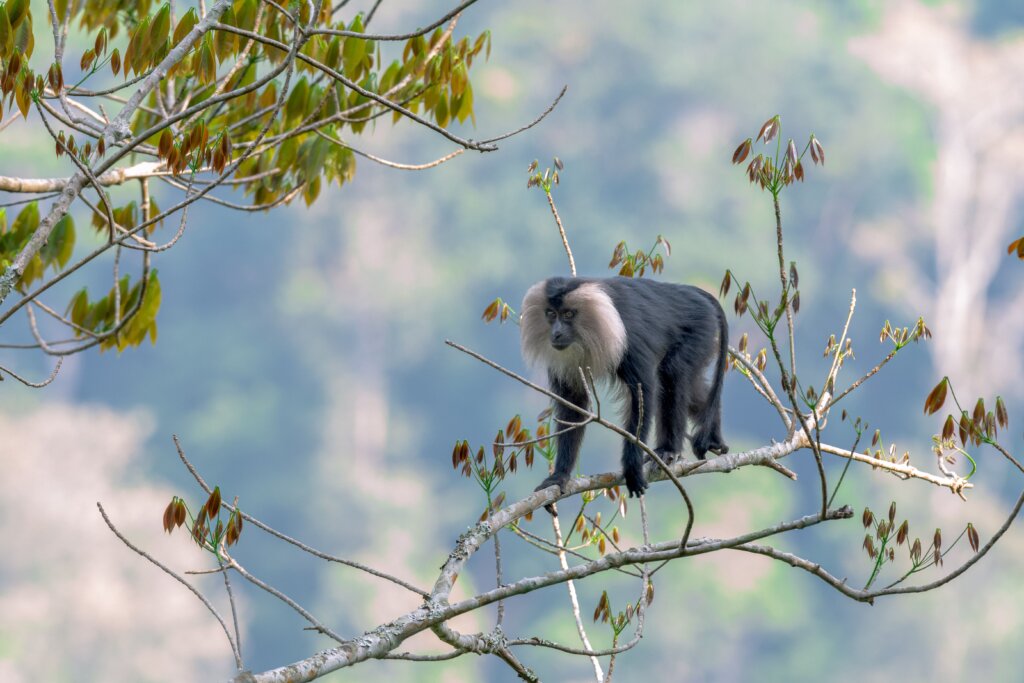
Lion-tailed macaques are found in the evergreen forests of the Western Ghats, particularly in parts of Kerala, Karnataka, and Tamil Nadu.
They spend much of their lives high in the forest canopy. Their diet includes fruits, seeds, leaves, insects, and other small foods.
One of their biggest problems is habitat fragmentation.
Imagine a huge forest being divided by roads, farms, plantations, and settlements. The forest may still look green from above, but animals living in the trees can suddenly find themselves separated from other groups.
This is especially serious for animals that depend on continuous forest.
The lion-tailed macaque is therefore more than just a rare monkey. It is a symbol of India’s disappearing rainforests.
Each of these animals has evolved to fit a particular place.
Their bodies, behaviour, food, and lifestyles are connected to the landscapes around them. When those landscapes disappear, the animals that depend on them can disappear too.
Protecting India’s rare animals therefore means protecting the forests, rivers, mountains, grasslands, and wetlands that make up the country.
And perhaps the most beautiful thing about wildlife is that we do not need to see an animal every day for it to matter.
Somewhere in the mountains, forests, rivers, or grasslands of India, these rare creatures are still living their lives.
Our job is to make sure they still have a place to live.