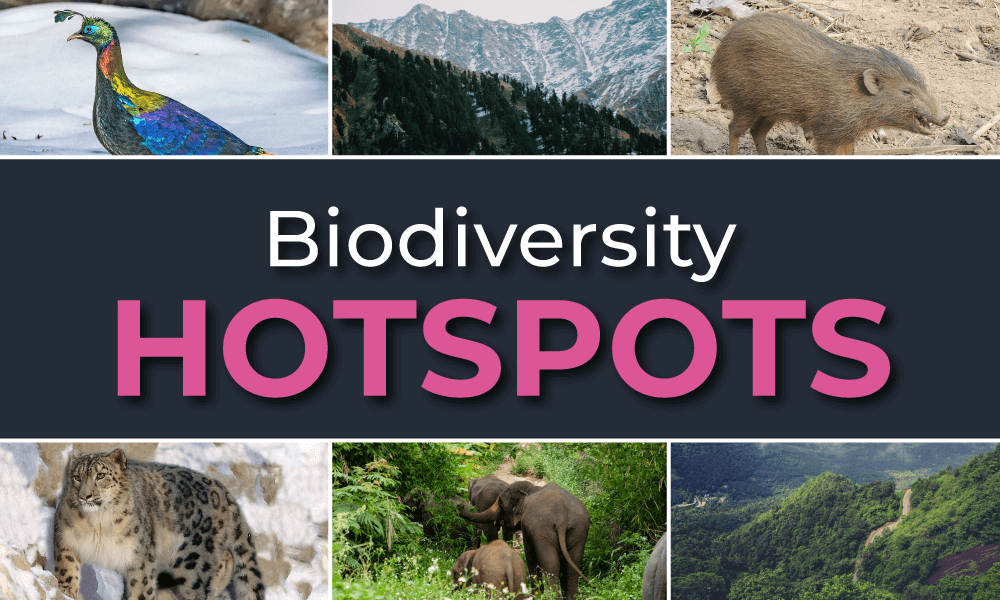
What are Biodiversity hotspots?
Let’s think of a biodiversity hotspot as a house full of rare treasures that is also dangerously close to vanishing forever due to our (human) negligence. It is actually a region with very high biodiversity (flora and fauna), including many species found nowhere else on Earth (endemic species).
It has already lost most of its original natural habitat (more than 70%), so it is under serious threat. So, a hotspot is not just a rich forest; it is a rich forest that is in danger due to population growth, urbanisation, industrialisation, overexploitation, etc., which makes it a top priority for conservation.
How are biodiversity spots marked?
To qualify as a hotspot, a region must have at least 1,500 species of endemic vascular (exclusive) plants that do not grow naturally anywhere else on Earth. A hotspot must also have lost at least about 70% of its original natural habitat, showing that it is highly threatened.
How many hotspots are there and where?
There is a total of 36 biodiversity hotspots identified all around the world on our planet, Earth. Altogether, they cover less than 2–3% of Earth’s land surface; that’s a very small area, but it’s very distinctive and important. Even though they are small in area, they do hold more than half of the world’s unique plant species and a large share of terrestrial animal species. India is home to four recognised biodiversity hotspots.
1. The Himalayas: the stairway of clouds
In the Himalayan region, if you are walking from a warm river valley up towards a giant staircase of mountains, you will find that on every few steps, the world around you is changing. That is the Himalaya hotspot.
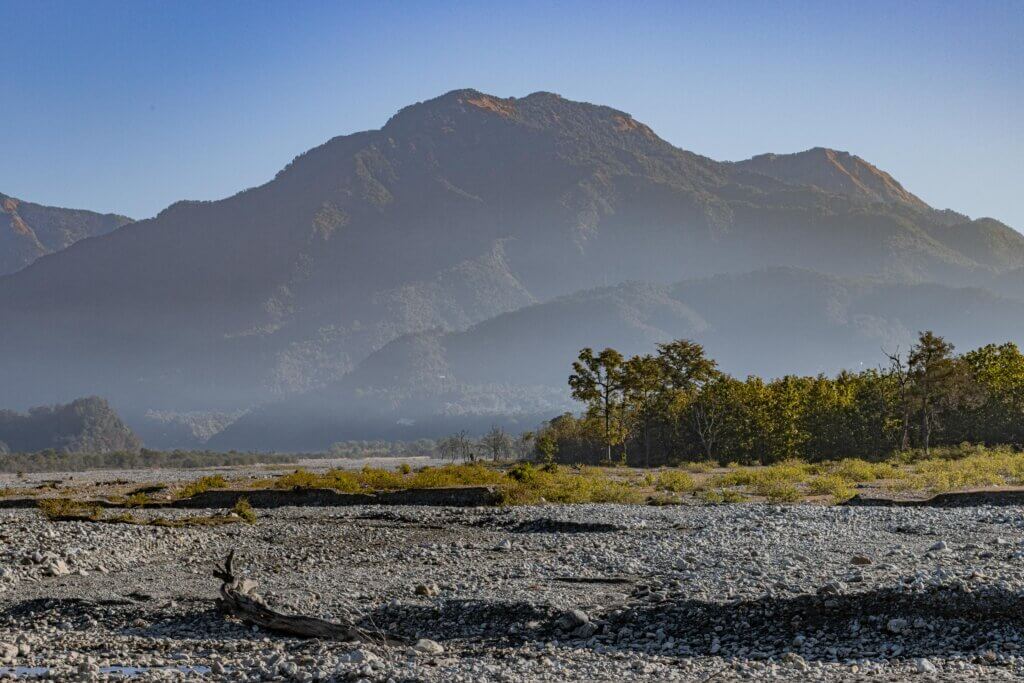
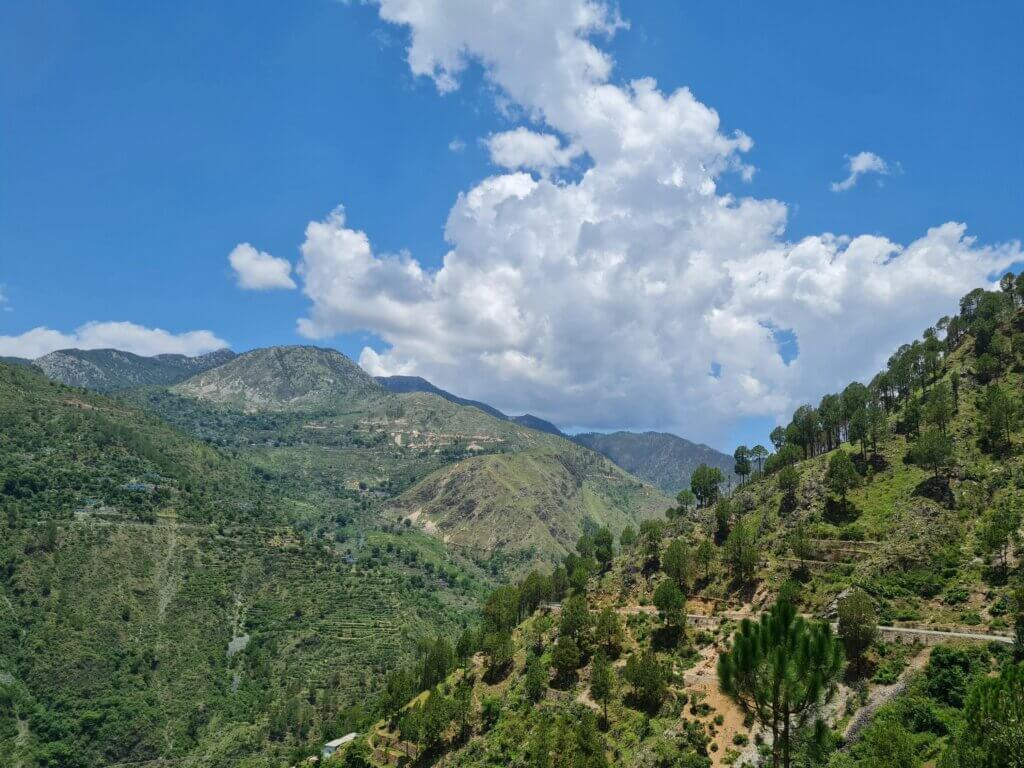
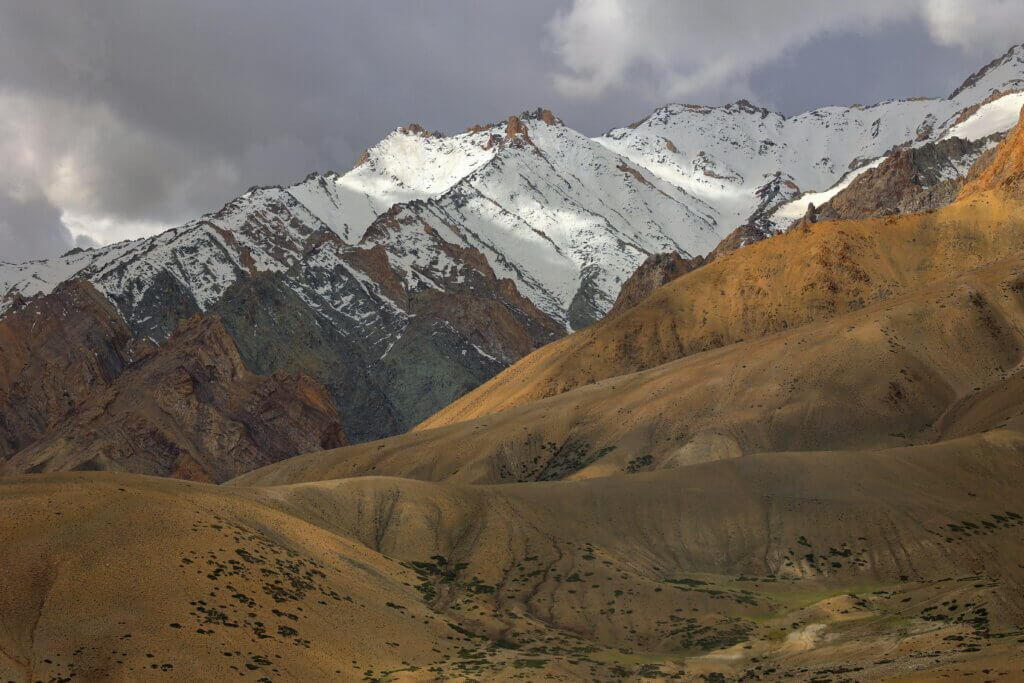
As you climb up, you will notice a noticeable change from grasslands and subtropical broadleaf forests at the foothills, and then you will see temperate forests, further changing towards dark conifer woods, and finally, silent alpine meadows above the tree line.
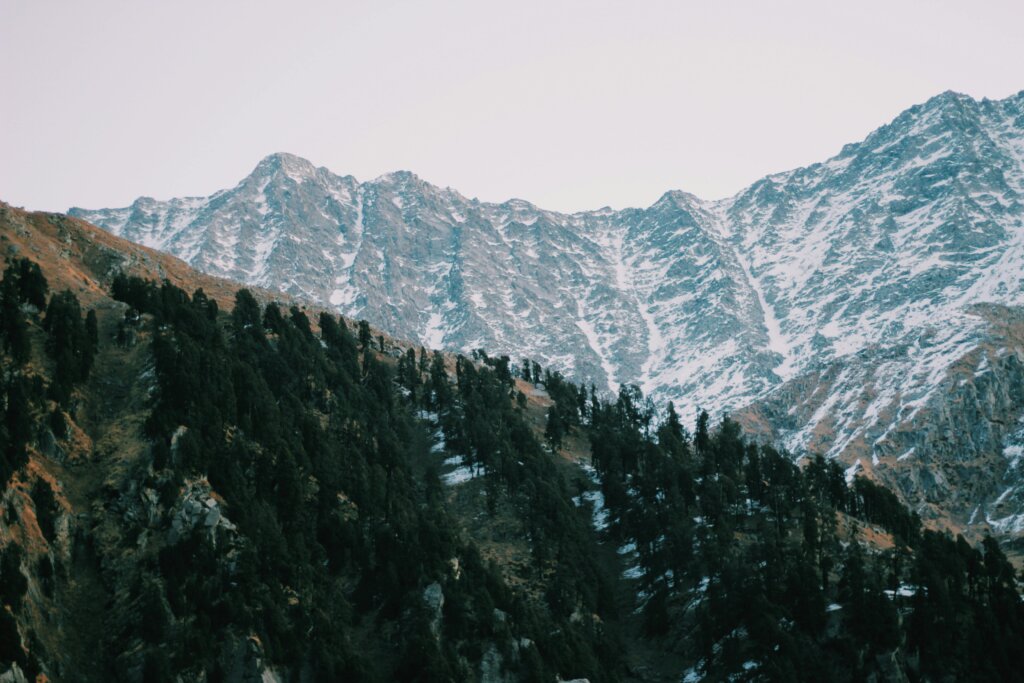
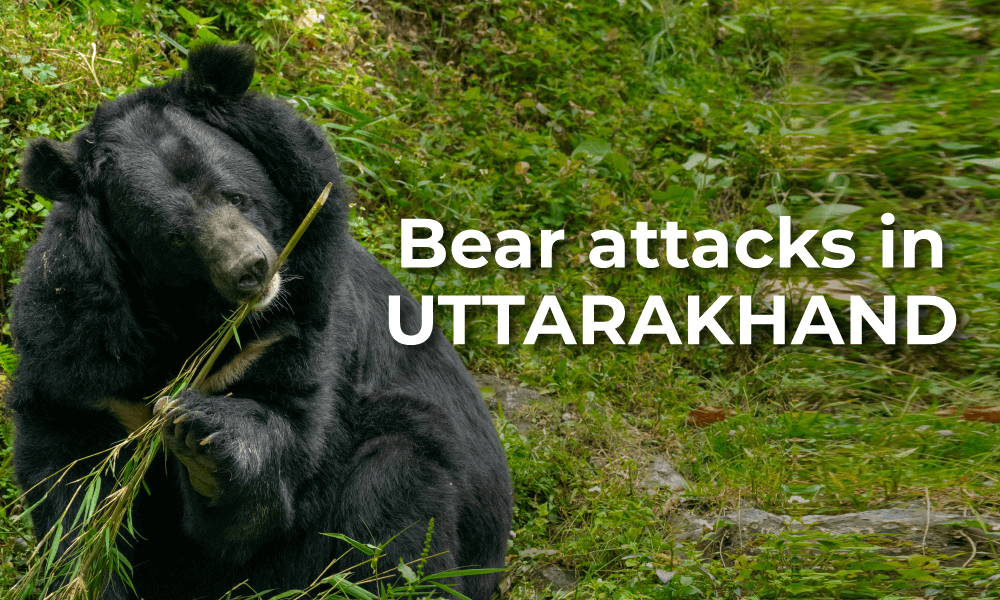
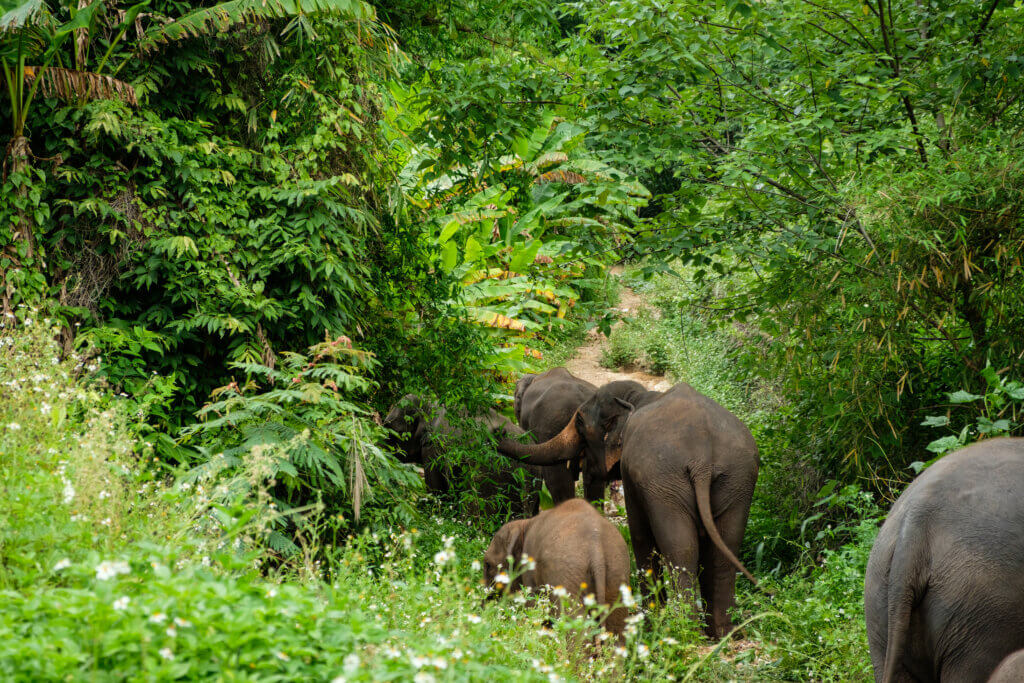
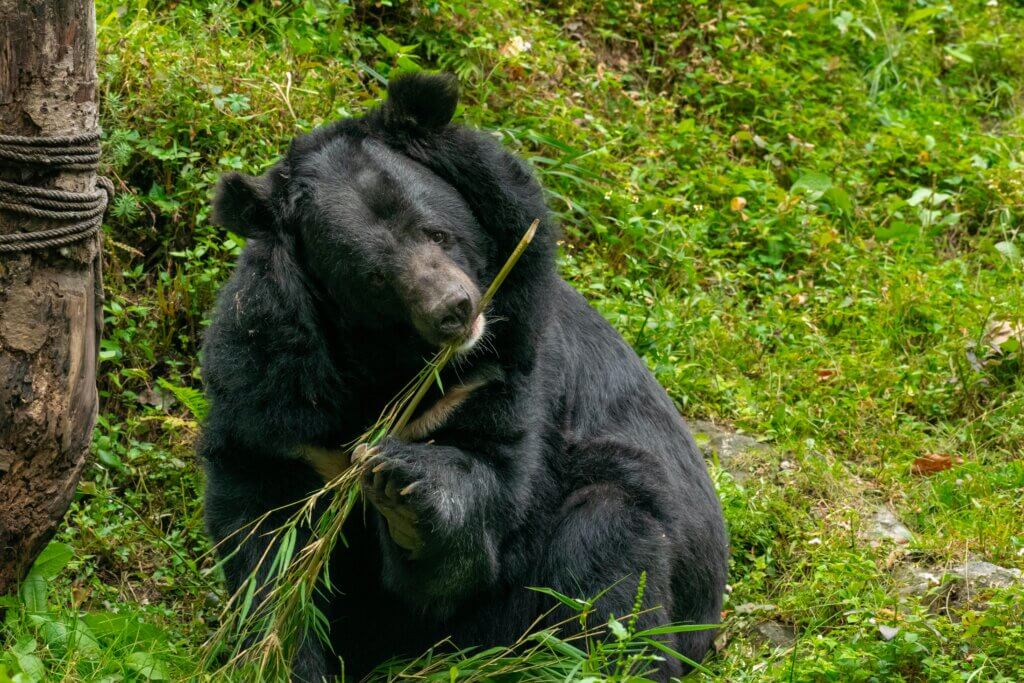
This region shelters iconic animals like the Asiatic black bear, Asian Elephants, and snow‑loving creatures such as the snow leopard and Monal birds.
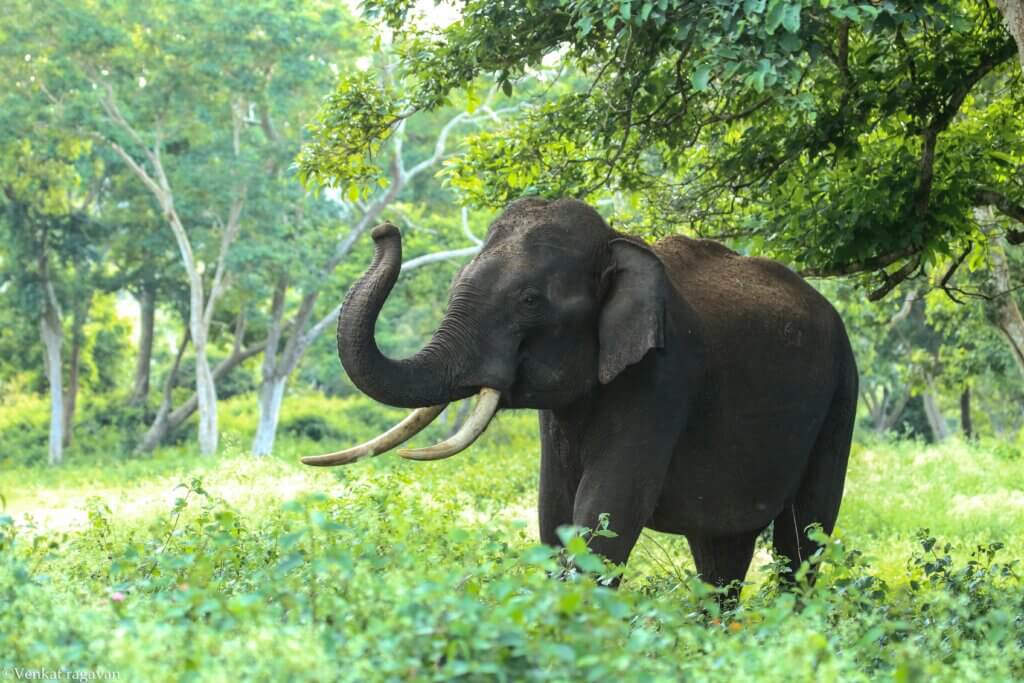
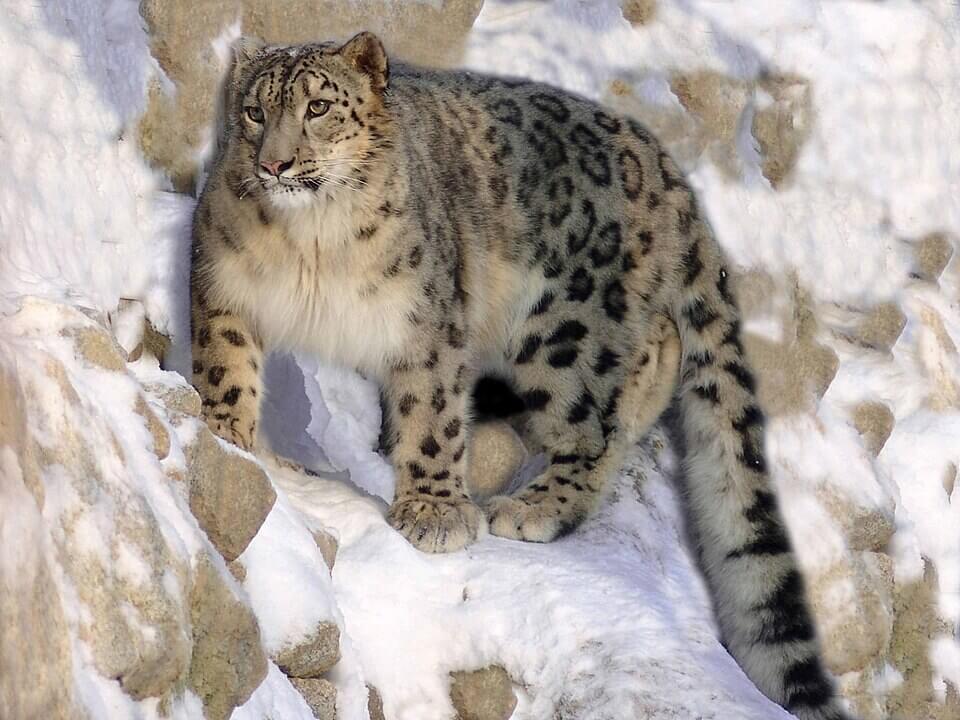
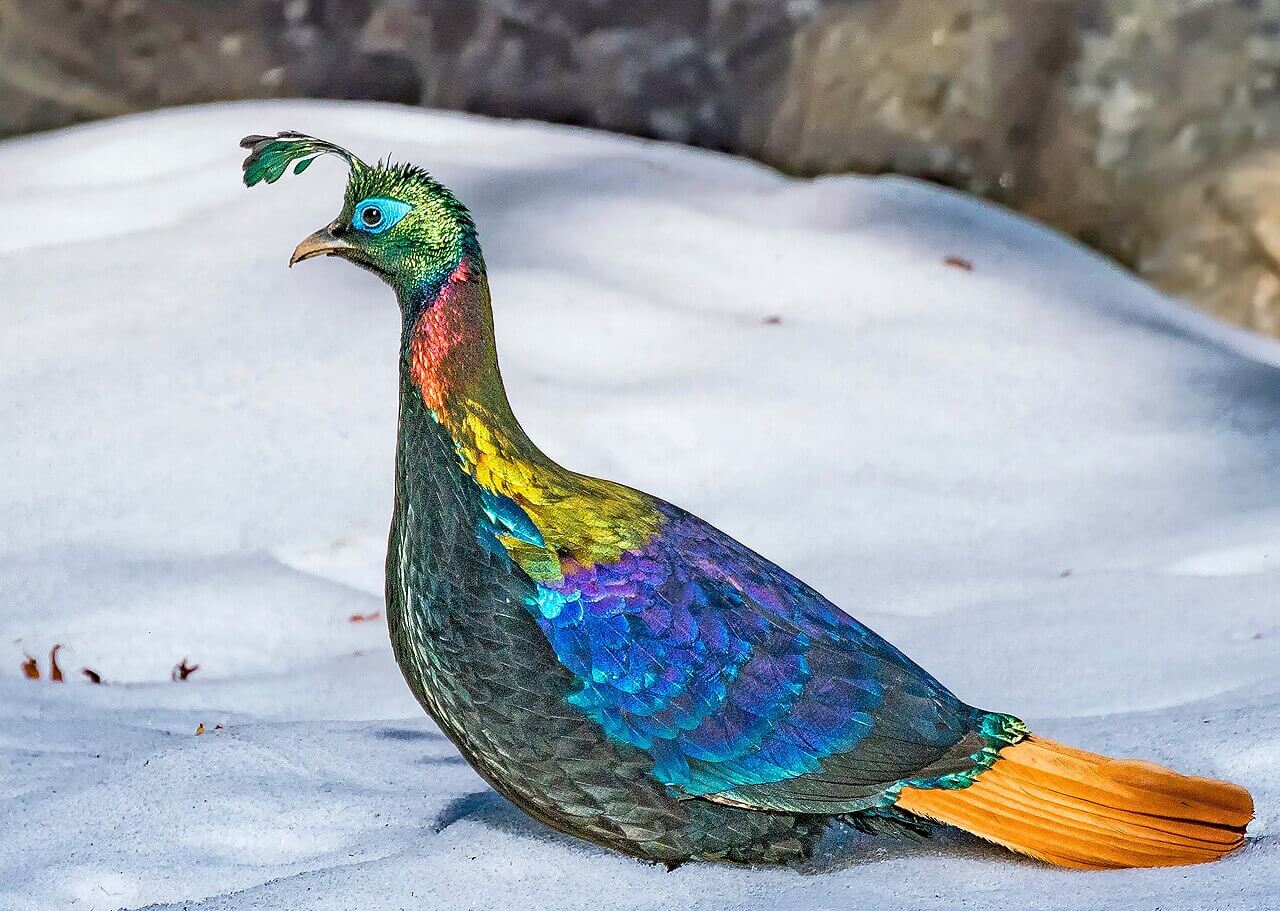
But the same mountains that protect these species are also fragile. Road building, hydropower dams, deforestation, tourism pressure, and climate change are steadily eroding their homes, making the Himalayan hotspot region both beautiful and tense at the same time.
2. Indo‑Burma: the emerald of the North‑East
Now let’s move to India’s North‑Eastern states, which are also known as the seven sisters, where hills are sprinkled in mist, and rivers flow through deep green forests. This is part of the Indo-Burma hotspot, which encompasses almost all of Northeast India (except Assam) and extends into Myanmar and Southeast Asia.
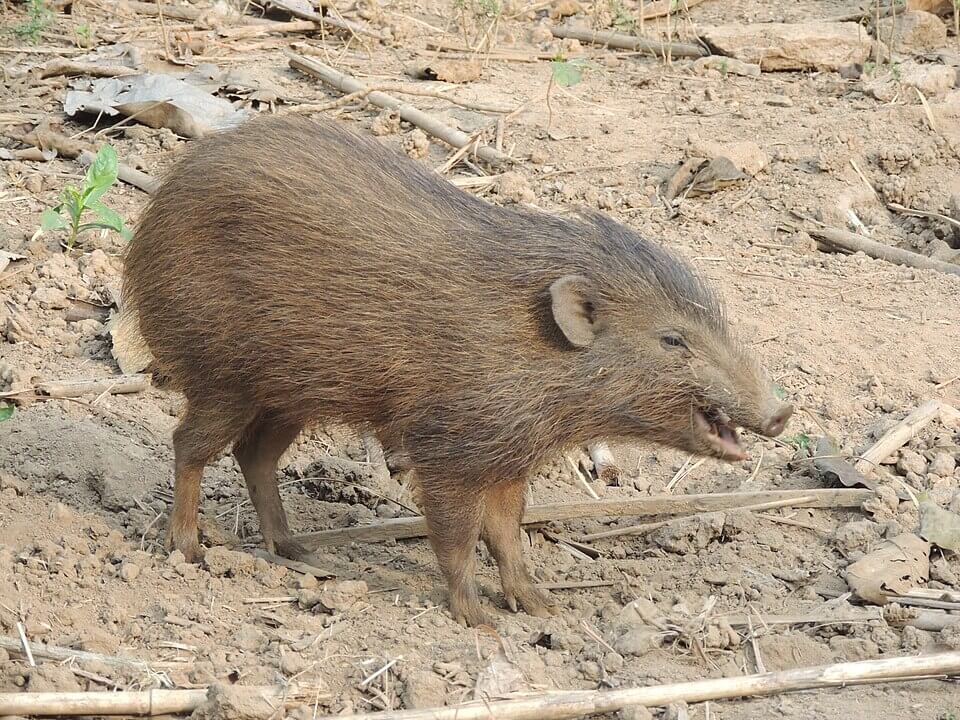
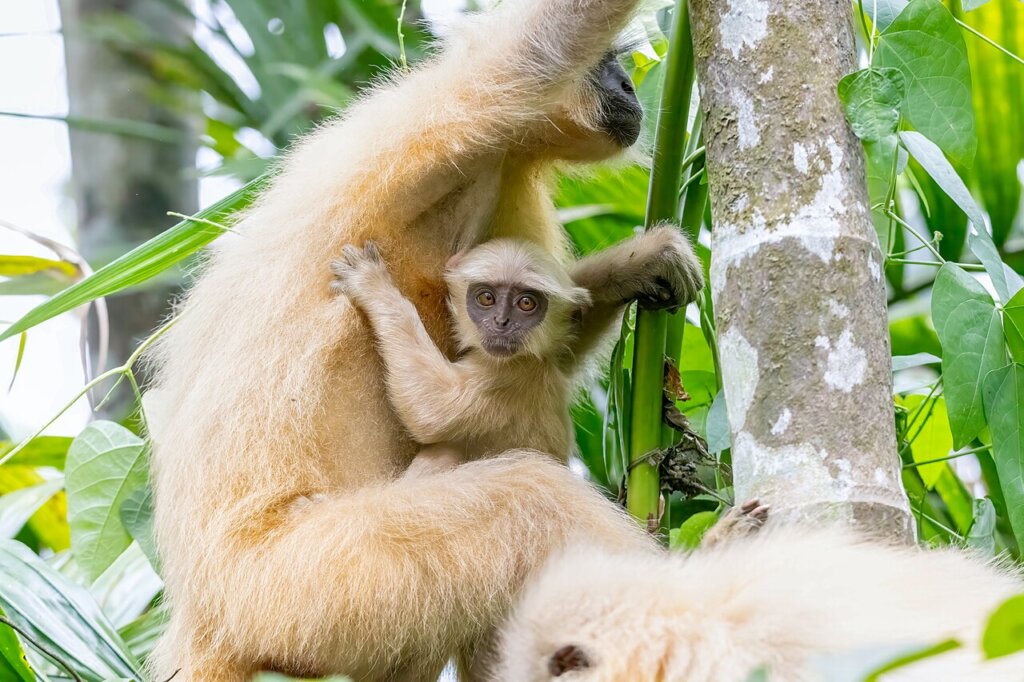
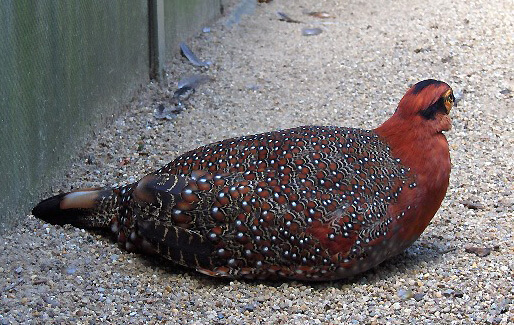
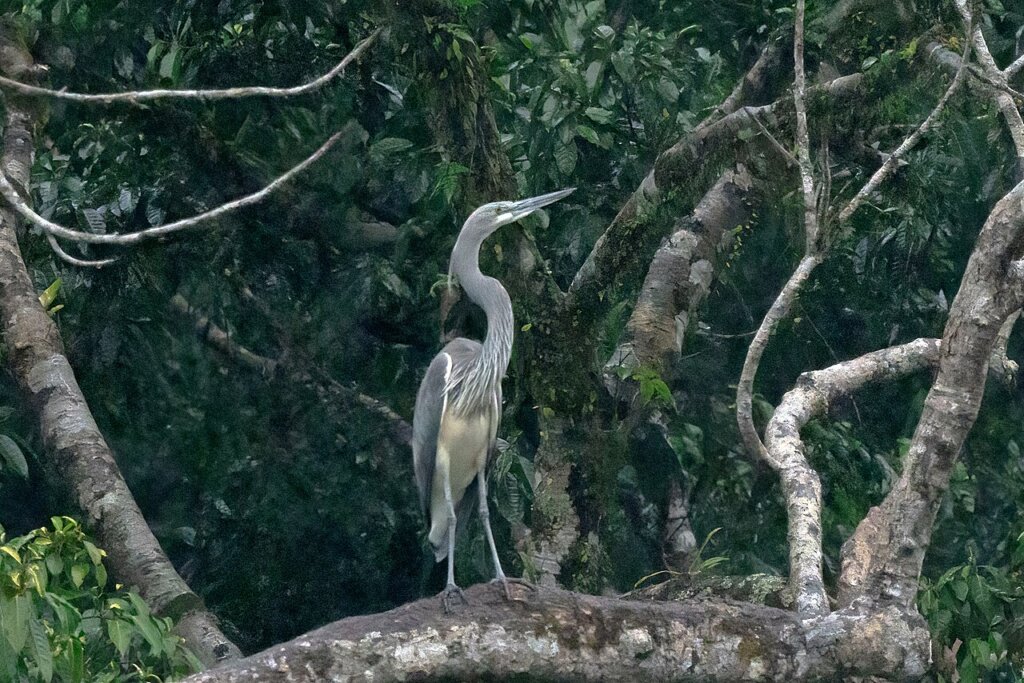
The forests here are packed with life: thousands of plant species, many of them endemic, and rich communities of birds, reptiles, amphibians, and freshwater fishes. Mainly famous for the Pygmy hog, Namdapha flying squirrel, Golden langur, freshwater turtles, and birds like white-winged wood duck, white-bellied heron, and Bengal pelican, Blyth’s tragopan, many of which live only here and are now on the edge of extinction because of habitat loss and over‑harvesting.
However, shifting cultivation, large dams, illegal logging, and hunting have turned this lush green world into a fragile one, forcing conservationists to race against time to protect what remains.
3. Western Ghats: the ancient green spine
If India’s western coast had a backbone, it would be the Western Ghats – a long mountain chain running parallel to the Arabian Sea.
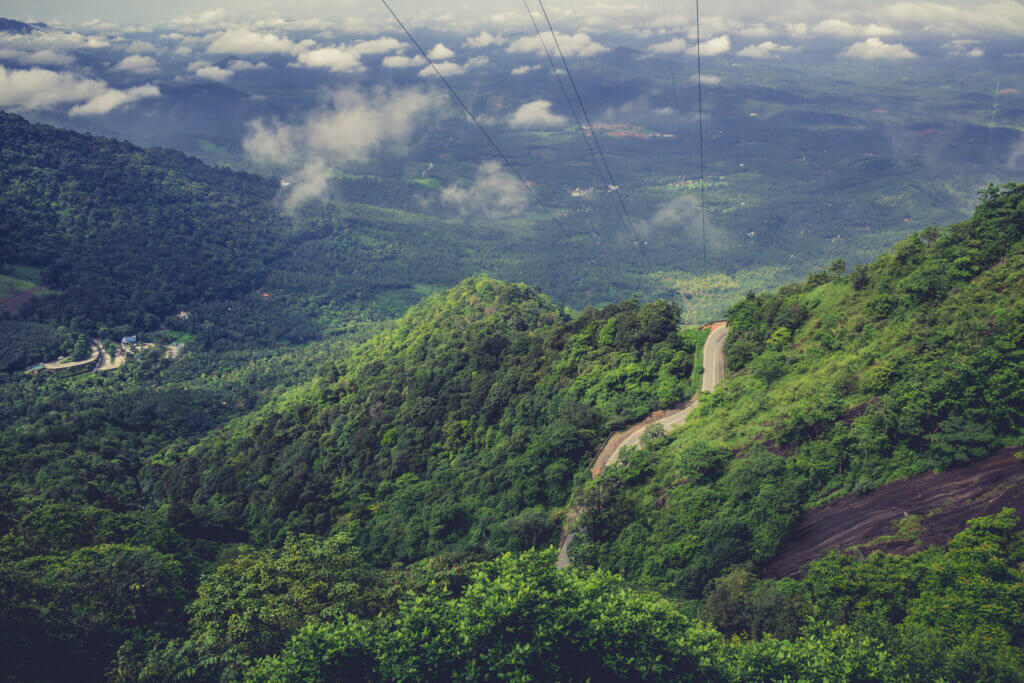
Once covered by nearly 190,000 km² of forests, these slopes and valleys held dense rainforests, deciduous forests, rivers, and waterfalls. It is recognised as a UNESCO World Heritage region for its unique plants and animals.
Here live highly endangered and endemic species, animals such as the lion‑tailed macaque, Nilgiri tahr, Nilgiri langur and Nilgiri marten. Birds include Malabar grey hornbill, Nilgiri wood pigeon, Nilgiri pipit, broad‑tailed grassbird, grey‑headed bulbul and crimson‑backed sunbird.
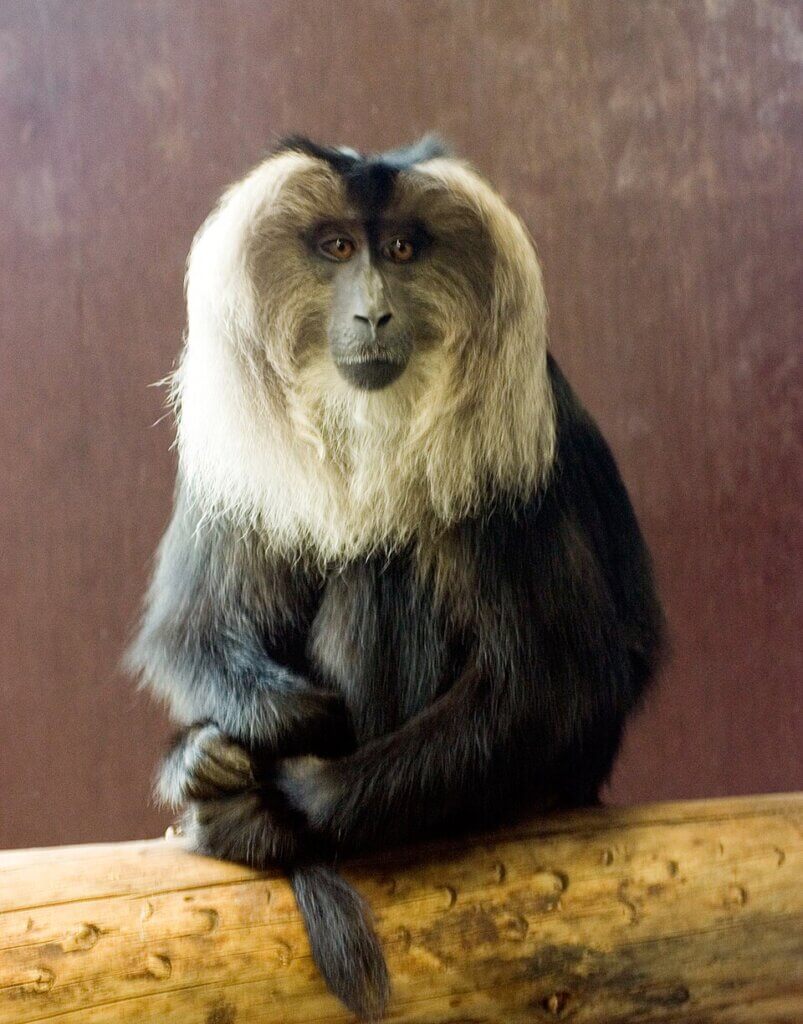
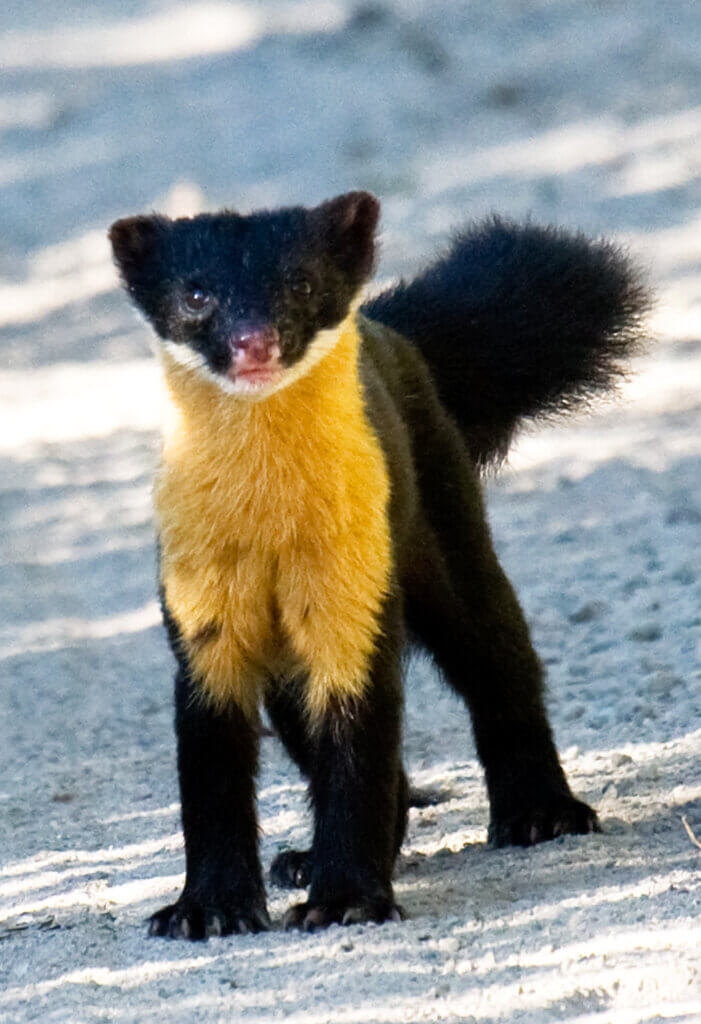
The Ghats hold about 650 tree species, and more than 50% of these are endemic, which include many endemic evergreen species such as Dipterocarpus, Hopea and Myristica, which form the tall, dense canopy and support rich animal life, along with hundreds of threatened plants, birds, amphibians, reptiles and fish.
Yet this ancient green spine is being cut and drilled because of urbanisation, mining, roads, and dams are destroying habitats into fragments, leaving species lose their home and slowly disappear.
4. Sundaland: islands of mystery – Andaman & Nicobar
Far out in the Bay of Bengal, scattered like jewels on the sea, lie the Andaman and Nicobar Islands, a part of the larger Sundaland hotspot.
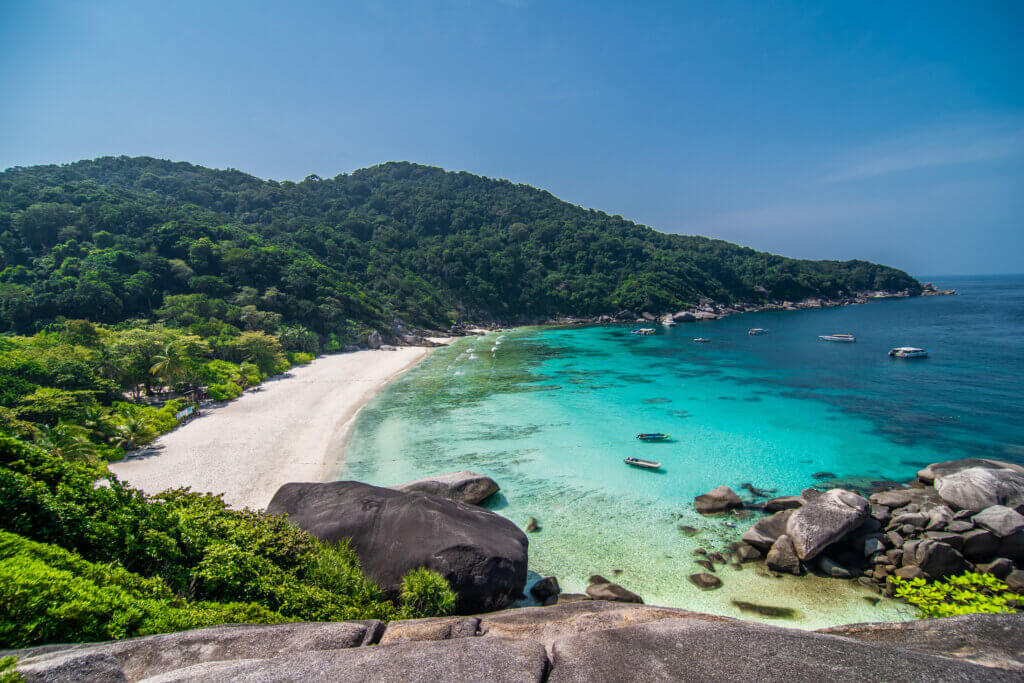
These islands host unique island ecosystems, from mangroves and tropical rainforests to coral reefs, with many plant and animal species that evolved in isolation and are found nowhere else.
Being islands, they are especially vulnerable: rising seas, tsunamis, habitat destruction, invasive species and poorly planned development can wipe out entire populations in a very short time.
In these distant forests and coral‑ringed shores, the balance between human needs and nature’s limits is very delicate, making careful conservation essential.
Why these hotspots matter to India’s future
Behind the beauty and drama, these four hotspots quietly support human life in many ways. They regulate climate, store water, protect soil, and act as giant natural “libraries” of genetic diversity that can help in agriculture, medicine and climate resilience.
Because they are so rich and so threatened, conservation programmes – from protected areas and wildlife projects to community‑based initiatives- focus strongly on these regions to save the maximum number of lives with limited resources.
In a single line, India’s biodiversity hotspots are like four glowing lamps in a darkening room. Each shines with extraordinary life, and each needs urgent care, so the story of these landscapes does not end too soon. And our coming generations don’t just see these plants, trees, birds and animals on the internet or picture archives, but they can actually see them in their own habitats for real.
Image credit:
https://en.wikipedia.org/wiki/Snow_leopard#/media/File:Irbis4.JPG
https://en.wikipedia.org/wiki/Himalayan_monal#/media/File:Himalayan_Monal_on_Snow.jpg https://en.wikipedia.org/wiki/Pygmy_hog#/media/File:Pygmy_hog_in_Assam_breeding_centre_AJT_Johnsingh.JPG
https://en.wikipedia.org/wiki/Gee%27s_golden_langur#/media/File:Gee’s_golden_langur_-_Kakoijana_Reserve_Forest_2024-03-29_01.jpg
https://en.wikipedia.org/wiki/Blyth%27s_tragopan#/media/File:Tragopan_blythii01.jpg
https://en.wikipedia.org/wiki/White-bellied_heron#/media/File:WHITE-BELLIED-HERON.jpg
https://en.wikipedia.org/wiki/Lion-tailed_macaque#/media/File:Lion-tailed_Macaque_in_Bristol_Zoo.jpg
https://en.wikipedia.org/wiki/Nilgiri_marten#/media/File:Nilgiri_marten_by_N_A_Nazeer.jpg