Animals live in many different environments, from icy mountains to hot deserts. One important way animals survive in all these places is by controlling their body temperature.
Based on this, animals are grouped into two main types: cold-blooded animals and warm-blooded animals. Let’s understand what these terms mean in a very simple way.
What Are Cold-Blooded Animals?
Cold-blooded animals are animals whose body temperature changes with the temperature around them. This means they cannot keep their bodies warm or cool on their own.
They depend on sunlight, shade, or external sources
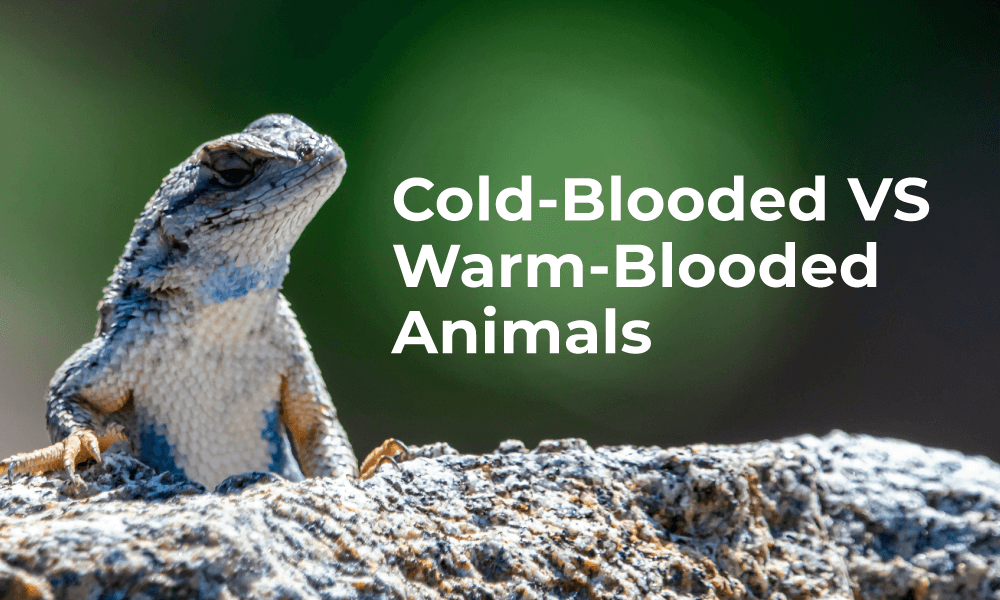
For example, when it is cold, a lizard may sit in the sun to warm up. When it is too hot, it may hide under a rock or in the shade to cool down.
Cold-blooded animals usually need less food than warm-blooded animals. This is because they do not use much energy to control their body temperature.
They are not very active in cold weather and move slowly or sleep during winter. They cannot survive in extreme temperature conditions.
What Are Warm-Blooded Animals?
Warm-blooded animals can keep their body temperature the same all the time, no matter how hot or cold the environment is. Their bodies produce heat from the food they eat.
For example, humans stay warm in winter because their bodies make heat from food. Birds can fly in cold weather because their bodies stay warm even when the air is cold.
Warm-blooded animals are usually active all year round. They can live in very cold places because their bodies help them stay warm. However, they need more food because keeping a steady body temperature uses a lot of energy.

Cold-Blooded VS Warm-Blooded
Here are some simple differences:
- Body Temperature: Cold-blooded animals depend on the environment; warm-blooded animals control their own temperature.
- Energy Use: Cold-blooded animals use less energy; warm-blooded animals use more energy.
- Activity Level: Cold-blooded animals are less active in cold weather; warm-blooded animals stay active most of the time.
- Food Needs: Cold-blooded animals eat less; warm-blooded animals need more food.