Forests cover a huge part of India’s land and play a very important role in keeping nature balanced. They provide homes to animals, give us fresh air, help keep the climate stable, and even give us many things we use in daily life. From the mighty trees to the smallest creatures, forests are alive with activity. India has many types of forests because the weather and land are different in each part of the country. Let’s dive into the forests of India to understand more about them!
Why Forests Are Important
Forests are like the lungs of the Earth. They take in carbon dioxide, which is a harmful gas, and release oxygen, which we need to breathe. They help keep our air clean and also keep the temperature cool. Trees and plants in the forest act like big umbrellas that protect the soil from washing away during rains. Forests also provide food, medicines, wood, and other materials.
In India, forests cover about 24% of the land. This means nearly one-fourth of the country has forested areas, which is wonderful but could still be better for the environment and the animals that live there. These forests are also home to animals like tigers, elephants, and monkeys, which are not just beautiful but also important for keeping nature in balance.
Types of Forests in India
India has a variety of forests due to its vast size and diverse climate. There are five main types of forests in India, each with its own unique features.
1. Tropical Rainforests
Tropical rainforests are found in areas with very high rainfall and warm temperatures all year round. These forests are always green, and the trees grow tall and close together, creating a thick canopy or “roof” over the forest. This canopy blocks sunlight from reaching the forest floor, so it’s always a bit dark and damp down there.
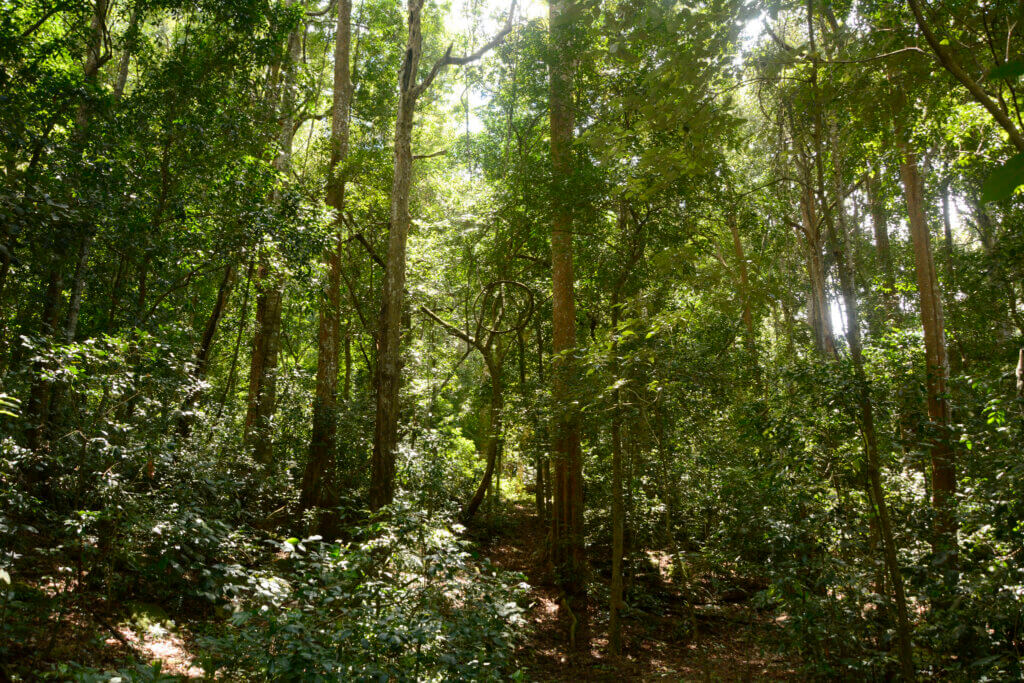
Where to Find Them: Tropical rainforests in India are mainly found in the Western Ghats (along the west coast of India), the Andaman and Nicobar Islands, and parts of the northeastern states like Assam and Meghalaya.
Special Features:
- These forests have very tall trees that can grow up to 40-50 meters.
- There’s a huge variety of plants, animals, insects, and birds.
- The soil is not very rich because the rain washes away the nutrients, but the trees still grow well due to the constant supply of moisture.
2. Tropical Deciduous Forests
These are also called monsoon forests because they depend on the monsoon rains to stay green. Deciduous means “shedding leaves.” So, in the dry season, these trees shed their leaves to save water and survive the heat. This type of forest is the largest in India, covering about 65% of the country’s total forest area.
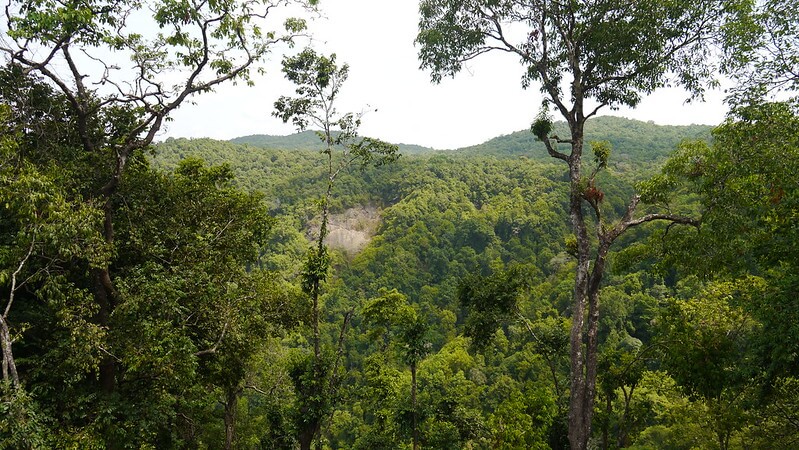
Where to Find Them: Tropical deciduous forests are found across central and northern India, including states like Madhya Pradesh, Uttar Pradesh, Bihar, Odisha, and Jharkhand.
Special Features:
- The trees in these forests, like teak and sal, are used for making furniture.
- These forests are rich in wildlife, including animals like deer, tigers, and elephants.
- During the dry season, these forests lose their green color as the trees shed their leaves, but they become lush again when the rains come.
3. Thorn Forests and Scrubs
These are found in areas that receive very little rainfall. The trees and plants here are adapted to survive in hot and dry conditions, so they have small leaves, thick bark, and even thorns to reduce water loss. Some plants even store water in their stems.
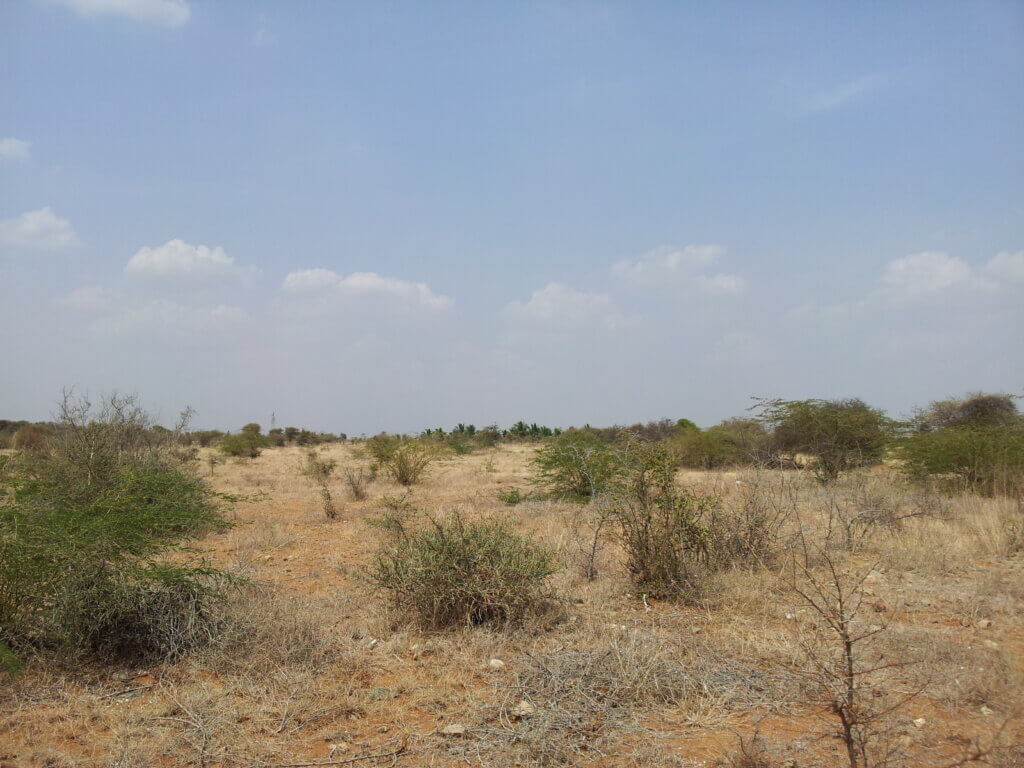
Where to Find Them: Thorn forests are found in the dry regions of Rajasthan, Gujarat, Haryana, and parts of Madhya Pradesh and Uttar Pradesh.
Special Features:
- These forests have thorny bushes, cacti, and small trees like acacia and palm.
- The animals here include foxes, lizards, and snakes, which are all well-suited to dry, hot climates.
- Some people call these areas scrubland because of the short, scrubby plants that grow there.
4. Montane Forests
Montane forests grow in the mountain regions where the temperature is cooler. Montane means “mountain,” so these forests are found in India’s hilly and mountainous areas, such as the Himalayas. As you go higher up the mountains, the type of forest changes. At lower levels, you find broadleaf trees like oak and chestnut, and as you go higher, you’ll find coniferous trees like pine and deodar.
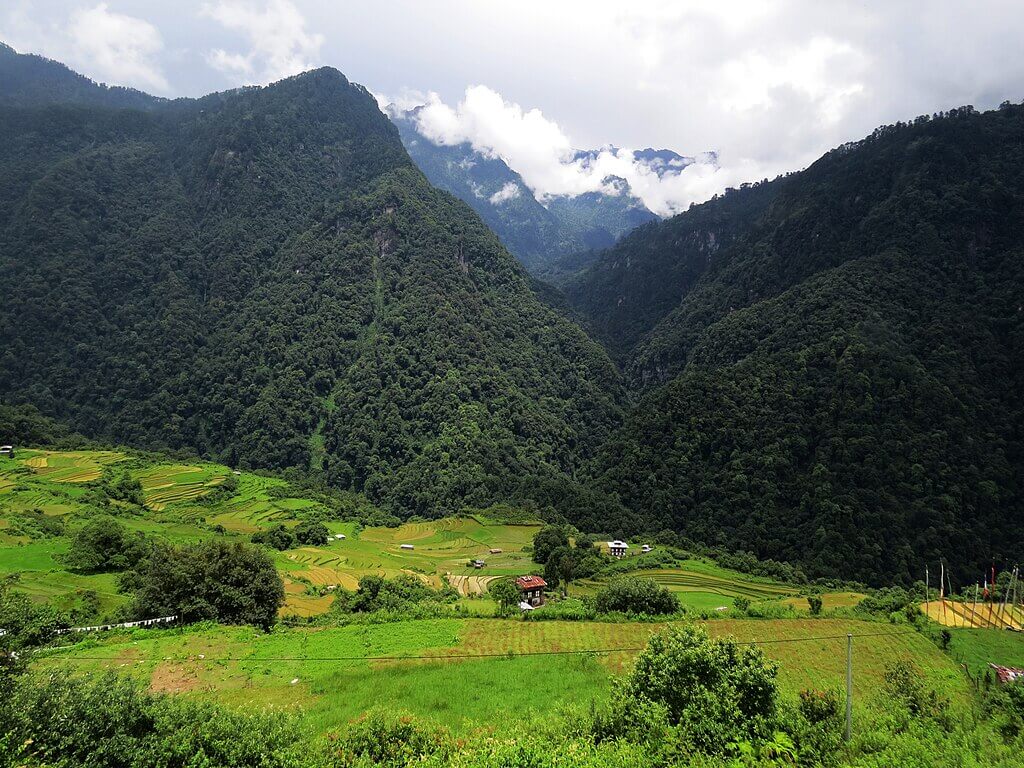
Where to Find Them: These forests are common in the Himalayan region, such as in Jammu and Kashmir, Himachal Pradesh, and Uttarakhand.
Special Features:
- The trees here are adapted to survive cold weather, with needle-like leaves that help them conserve water.
- These forests are important for preventing soil erosion on steep mountain slopes.
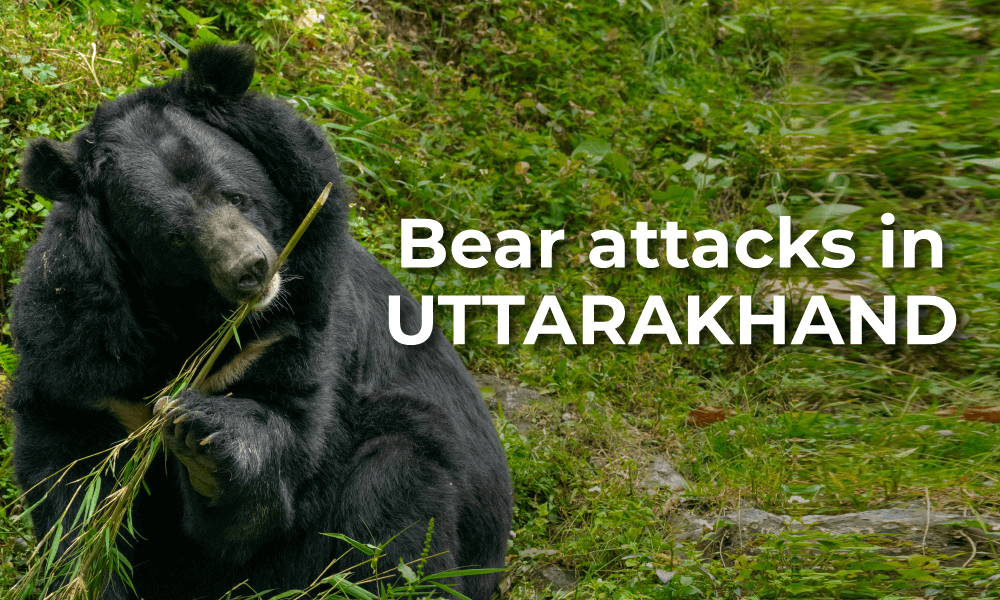
- They are home to animals like leopards, bears, and mountain goats.
5. Mangrove Forests
Mangrove forests are unique because they grow in salty water along the coast. The roots of mangrove trees stick out of the mud, looking like they are “breathing.” This is because they have special roots that take in air even when the trees are surrounded by water.
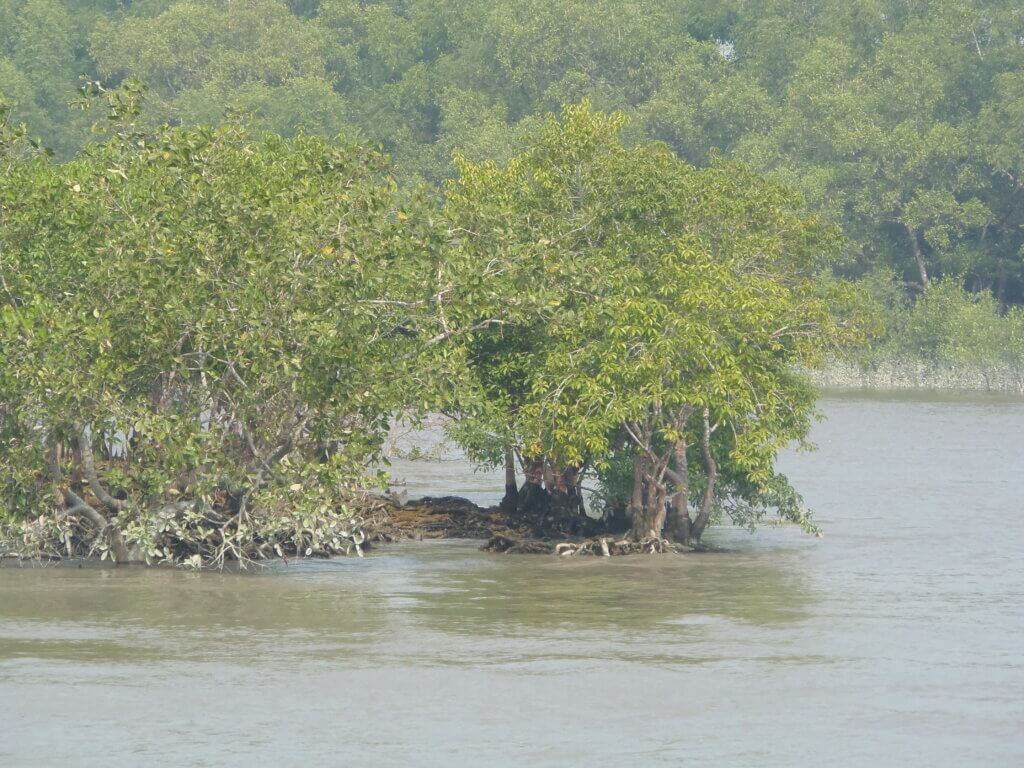
Where to Find Them: Mangrove forests are mostly found along India’s eastern coast, especially in the Sundarbans in West Bengal, which is famous for its Royal Bengal tigers.
Special Features:
- The roots of mangrove trees protect the coastline from erosion by waves and storms.
- Mangrove forests are home to fish, crabs, and birds, creating a rich ecosystem.
- The Sundarbans mangrove forest is one of the largest in the world and a UNESCO World Heritage Site.
Fascinating Facts About India’s Forests
- Biodiversity Hotspots: India is one of the world’s “biodiversity hotspots,” which means it has a very high number of unique plants, animals, and birds. The Western Ghats and the Eastern Himalayas are especially rich in biodiversity.
- Home to Endangered Species: Indian forests are home to many endangered species, such as the Bengal tiger, Asiatic lion, Indian elephant, and one-horned rhinoceros. Protecting these forests helps protect these rare animals.
- The Chipko Movement: In the 1970s, a movement called the Chipko Movement began in northern India. Villagers, especially women, hugged trees to prevent them from being cut down. This movement became famous worldwide and helped increase awareness about the importance of forests.
- Sundarbans and Royal Bengal Tigers: The Sundarbans mangrove forest is not only unique but is also home to the Royal Bengal Tiger. These tigers have adapted to swim and hunt in the watery environment of the mangroves.
- Sacred Groves: In some parts of India, small patches of forests are protected because they are considered sacred. People believe that gods or spirits live in these groves, so they are not harmed. This tradition has helped preserve many rare plants and animals.
Challenges Faced by Forests in India
Forests in India face many challenges, mainly due to human activities. People cut down trees for wood, farming, and building homes, which is called deforestation. When forests are cleared, the animals lose their homes, and the air and soil quality also suffer. Forests are also affected by climate change, which causes irregular weather patterns. For example, too much rain or very dry weather can harm the plants and animals that live there.
But there is hope! Many people and organizations are working hard to protect India’s forests. The government has made laws to stop deforestation, and people are planting trees to make up for the ones that have been cut down. This is called reforestation.
How Can We Help Protect Forests?
Even if we live far from forests, there are small things we can do to help protect them:
- Use Less Paper: By using less paper or recycling it, we can reduce the number of trees cut down.
- Say No to Plastic: Plastic waste can harm animals in forests, so by reducing plastic use, we help protect their environment.
- Learn and Share: The more we learn about forests and their importance, the more we can share this knowledge with others and encourage them to help.
Forests are precious, not only because they give us so many resources but also because they are full of life. The animals, plants, and trees in forests are all part of nature’s amazing design. By understanding and protecting forests, we can ensure that they remain green and full of life for future generations.