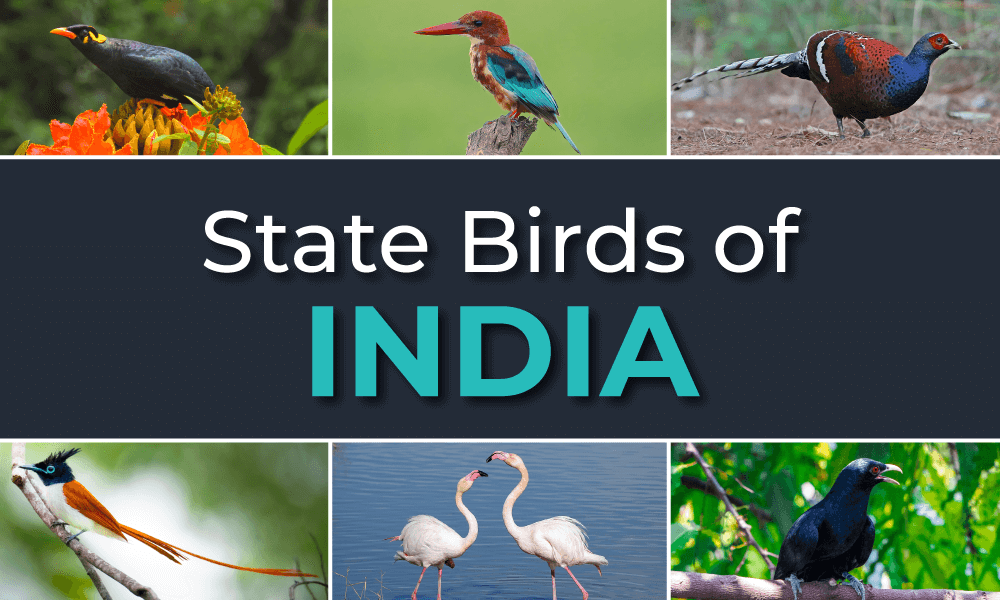
State Birds of India are not just creatures of the sky; they are actually the symbols of culture, faith, resilience, and regional pride. Right from our childhood, we have grown up hearing stories related to birds or based on birds. India is a country which gives utmost importance to the mother earth, nature and its flora and fauna in accordance to this each Indian state chose a bird that reflects its landscape, traditions, and emotional bond with nature. Let us travel state by state, listening to the stories whispered by their wings.
Andhra Pradesh – Rose-ringed Parakeet (Psittacula Krameri)
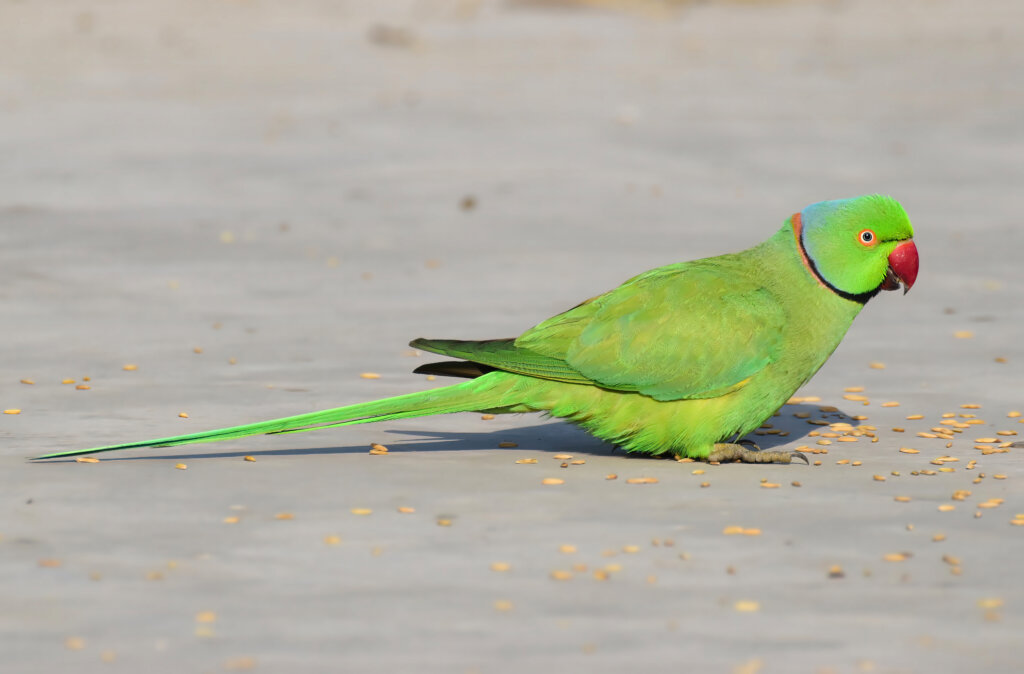
Local name: Rama Chiluka
The cheerful green parakeet was chosen because it is closely associated with rural Andhra life, often seen in farms and temple surroundings. Its loud calls feel like part of daily life. Locals love feeding them on their rooftops and courtyards. Its bright green colour is in itself known by its name.
Diet: Fruits, seeds, grains, buds
Special day: World Parrot Day (May 31)
Farmers see it as both a mischievous guest and a divine messenger. In folklore and temple art, parrots symbolise love and communication, especially linked to Goddess Meenakshi. They are also known for the crop damage they do, but still, locals feel emotionally attached to their presence.
Arunachal Pradesh – Great Hornbill (Buceros Bicornis)
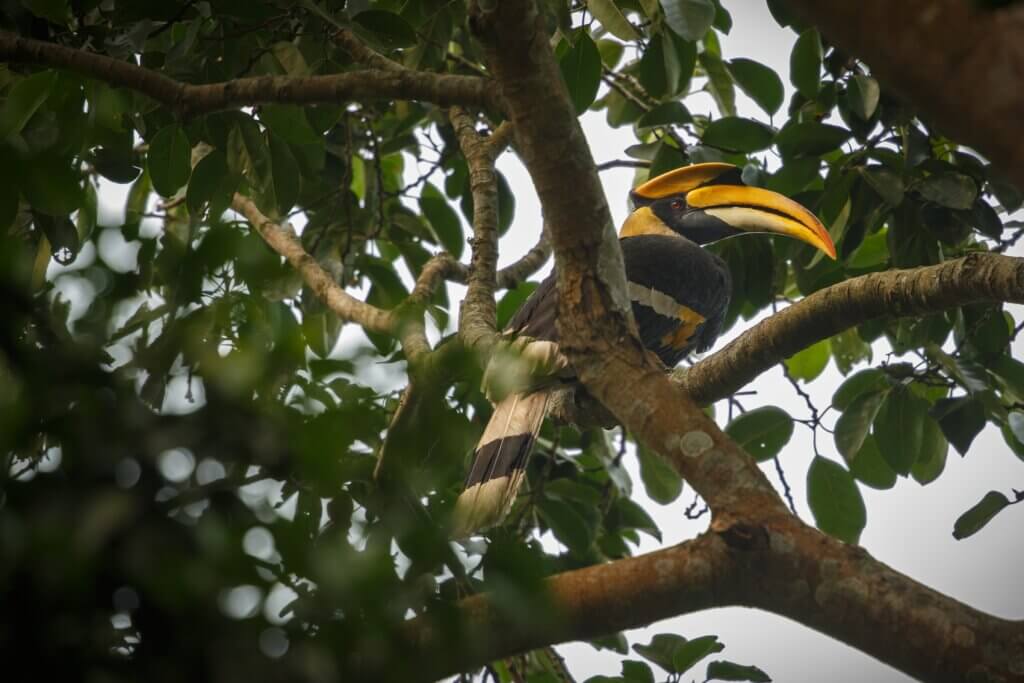
Local name: Bongrang
It was chosen for its majestic size and tribal importance; it is naturally different and unique too than other usual birds it has long beak and vibrant colorful feathers. It also has deep traditionally valuable in tribal communities and hence the Great Hornbill is deeply respected by indigenous communities.
Diet: Fruits (especially figs), insects, small animals
Special day: Hornbill Festival (December, Nagaland influence)
Assam – White-winged Wood Duck (Asarcornis scutulata)
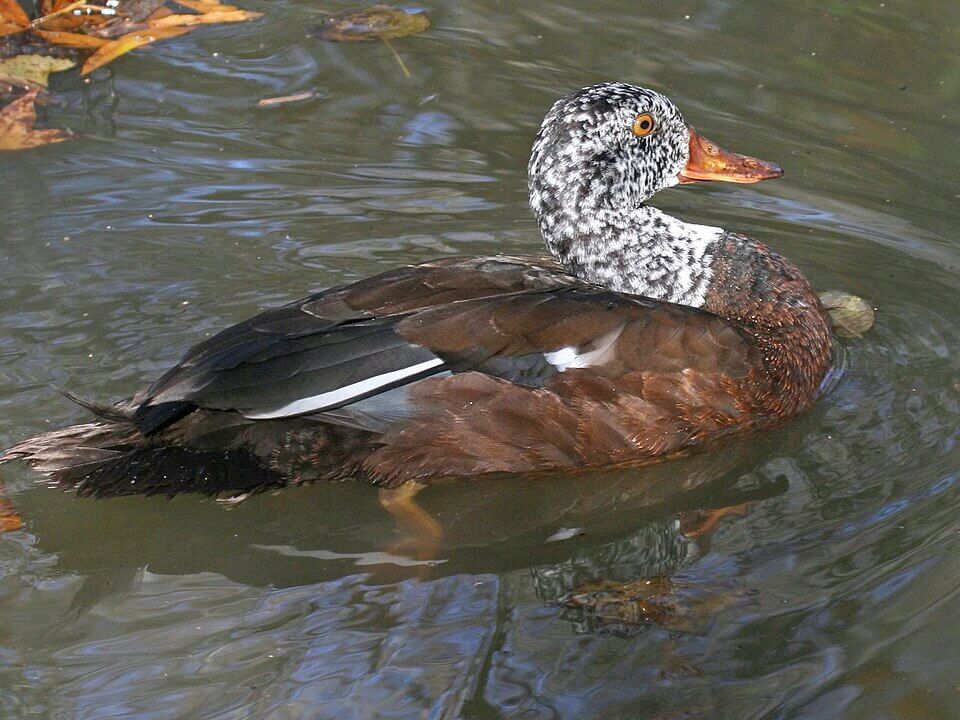
Local name: Deo Hanh
This rare wetland bird reflects Assam’s riverine and marshland ecosystem.
Diet: Aquatic plants, insects, mollusks
Special day: World Wetlands Day (Feb 2)
Locals see it as a guardian of wetlands. Its disappearance is felt emotionally, as elders remember a time when its call echoed through village ponds. It appears in Assamese conservation narratives as a symbol of fragile biodiversity.
Bihar – House Sparrow (Passer domesticus)
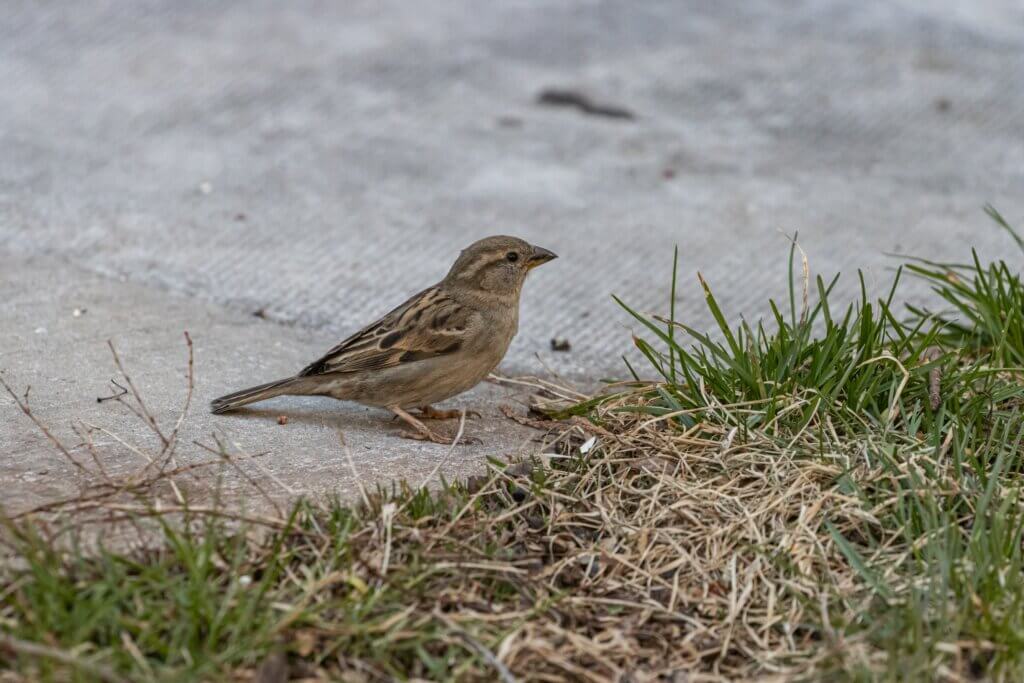
Local name: Goraiyya
Bihar chose the sparrow to honour the vanishing everyday bird that once lived in every home.
Diet: Grains, insects
Special day: World Sparrow Day (March 20)
The sparrow is tied to childhood memories and village warmth. Its decline has made people nostalgic and emotional. NGOs and schoolchildren build goraiya ghar (nest boxes) as acts of love and conservation.
Chhattisgarh – Hill Myna (Gracula religiosa)
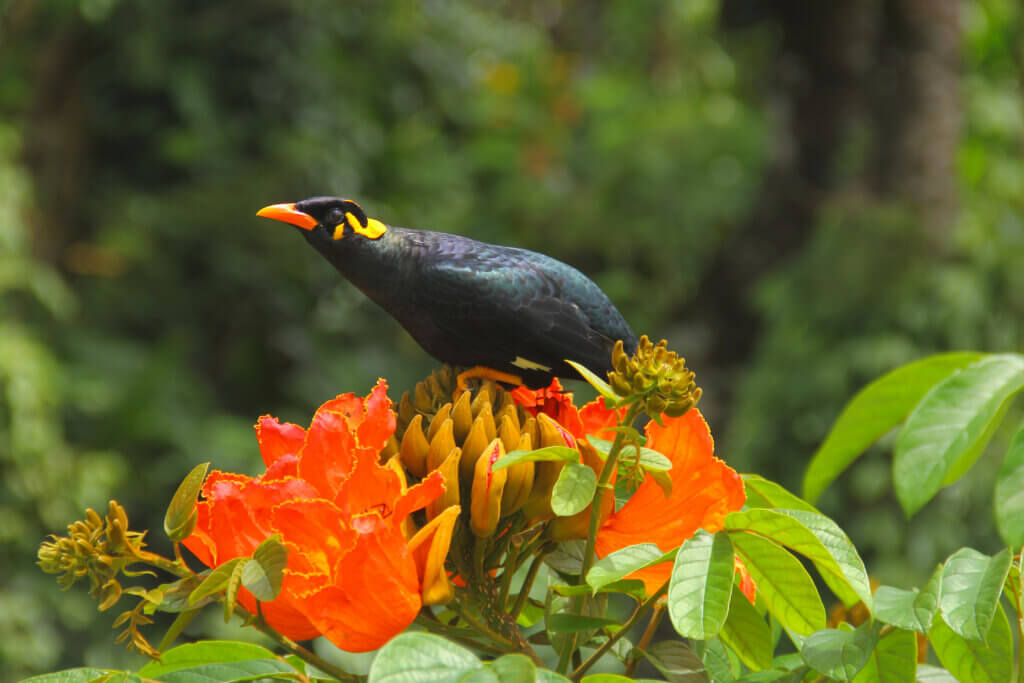
Local name: Maina
In the dense sal forests of Chhattisgarh, the Hill myna was chosen because it reflects the voice of the forests and tribal storytelling culture. Known for its uncanny ability to mimic human speech, this bird symbolises communication and wisdom. It is selected as the state bird for its intelligence and ability to mimic human speech, reflecting tribal oral traditions.
Diet: Fruits, insects
Special day: World Wildlife Day (March 3)
Tribal communities admire the myna as a storyteller bird. Tribal elders believe that the myna carries messages from ancestors. Children grow up listening to its calls, and it appears in folk tales as a clever and observant forest companion.
Goa – Flame-throated Bulbul (Rubigula gularis)
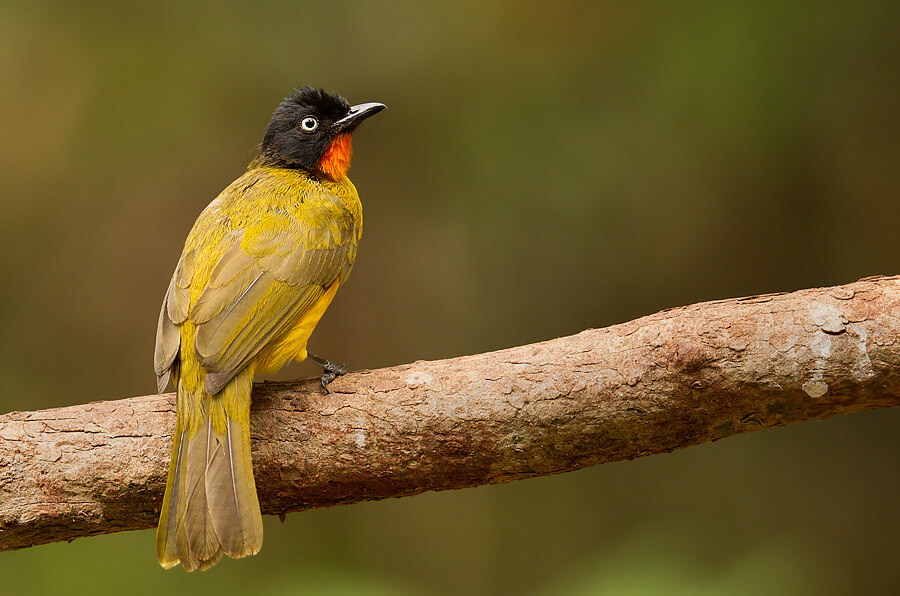
Local name: Bulbul
Goa chose this bird for its bright colors and constant presence in forested hills, much like Goa’s vibrant yet gentle spirit. Its vibrant colors mirror Goa’s lush forests and festive spirit.
Diet: Fruits, nectar, insects
Special day: World Bird Day (Oct 5)
Locals associate the bulbul with joy and music. Its song blends with church bells and temple chants alike, symbolizing Goa’s cultural harmony. It often features in Konkani poems and nature writings. Goans see it as a forest jewel, often mentioned in Konkani poetry. It symbolizes joy and balance between tourism and nature.
Gujarat – Greater Flamingo (Phoenicopterus roseus)
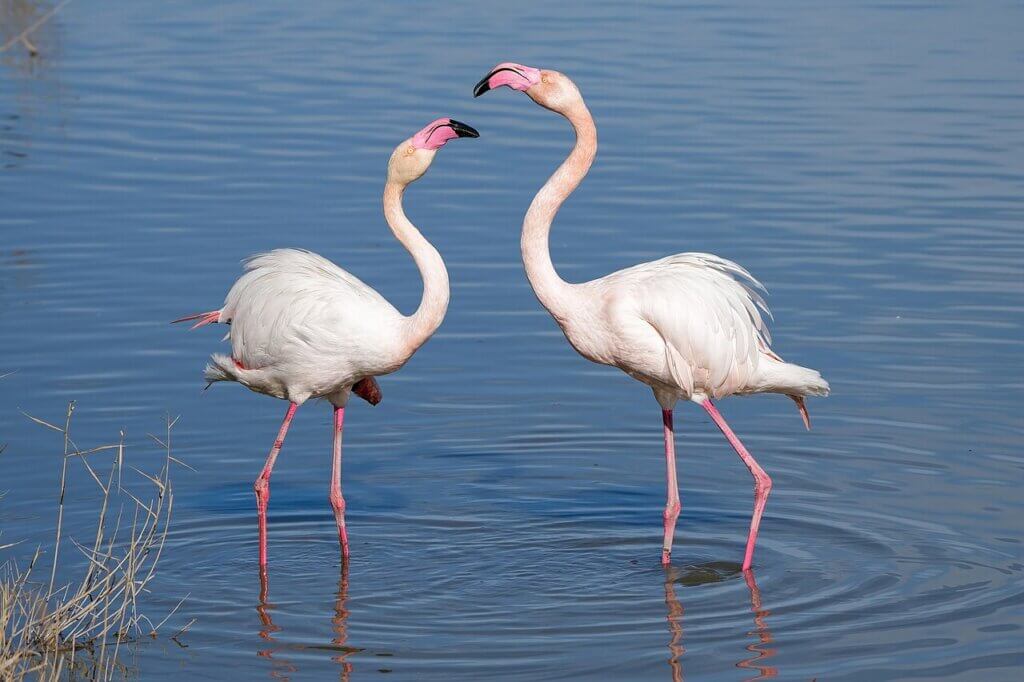
Local name: Surkhab
The salt deserts of the Rann of Kutch turn pink every year with flamingos, which is why Gujarat chose this bird as its pride, It is also chosen because Gujarat hosts one of the largest flamingo breeding grounds in India (Rann of Kutch).
Diet: Algae, plankton, small crustaceans
Special day: World Migratory Bird Day
Villagers celebrate their arrival as a festival of life in the desert. The flamingo has become an icon of gujarat’s eco-tourism and symbolizes balance between harsh land and delicate life. Flamingos are also seen as symbols of endurance and grace.
Haryana – Black Francolin (Francolinus francolinus)
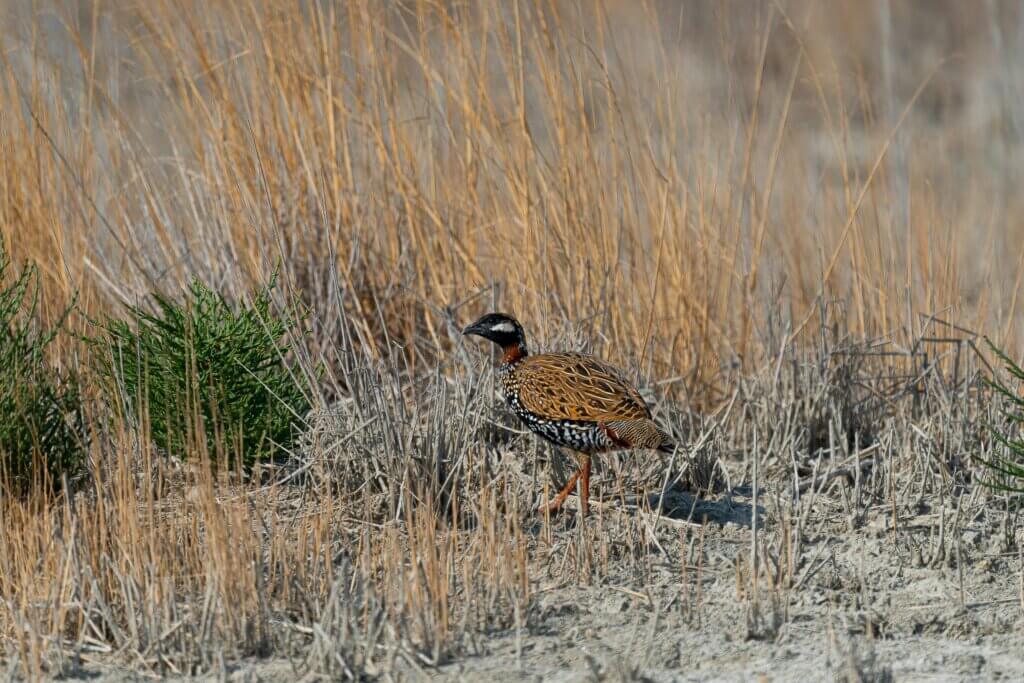
Local name: Kala Titar
Black francolin is chosen for its strong link to farmlands and grasslands; the black Francolin represents Haryana’s agriculture backbone. Its known as bird of fields and grasslands, it represents Haryana’s agrarian life.
Diet: Seeds, insects
Its early morning sharp call is associated with village dawn routines. Farmers believe that its presence indicates healthy soil and good harvests, making it emotionally tied to farming life. It appears in Haryanvi folk songs as a sign of fertile land.
Himachal Pradesh – Western Tragopan (Tragopan meanocephalus)
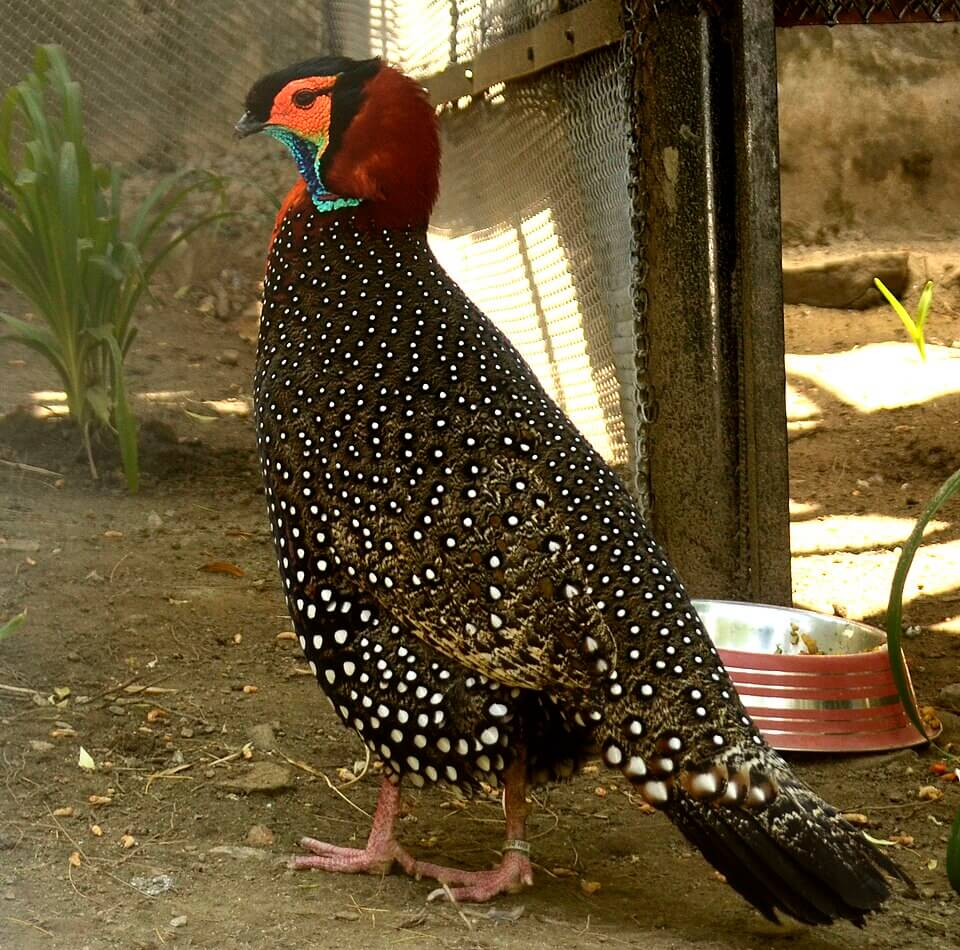
Local name: Jujurana (King of Birds)
Himachal chose this rare pheasant for its royal appearance and Himalayan exclusivity.
Diet: Leaves, berries, insects
Special day: World Pheasant Day
A glimpse of the jujurana is considered auspicious. It inspires mountain folklore and symbolizes pride, purity, and the untouched Himalayas. People consider it a symbol of purity and pride. Its rare sighting is treated as a blessing in mountain villages.
Jharkhand – Asian Koel (Eudynamys Scolopaceus)
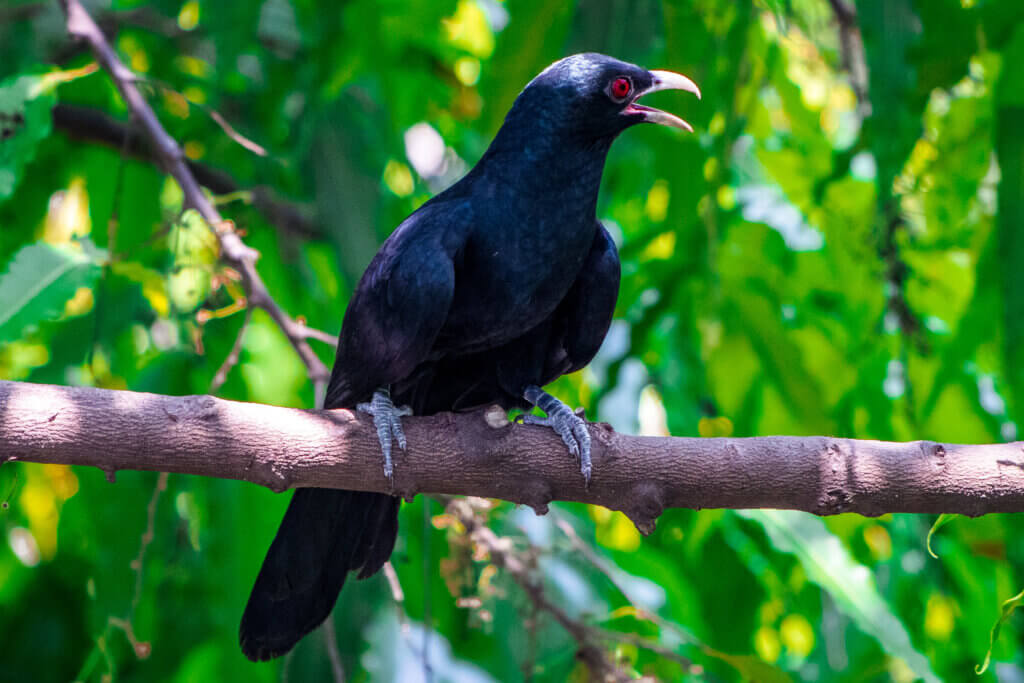
Local name: Kokil
It is chosen for its melodious call, which symbolizes the arrival of spring in Jharkhand’s forests and renewal and blooming.
Diet: Fruits (especially figs)
Special day: Vasant Panchami (cultural association)
Tribal songs often imitate the koel’s call, associating it with love, longing and renewal. Its voice is often described as the forests heartbeat.
Karnataka – Indian Roller (Coracias Benghalensis)
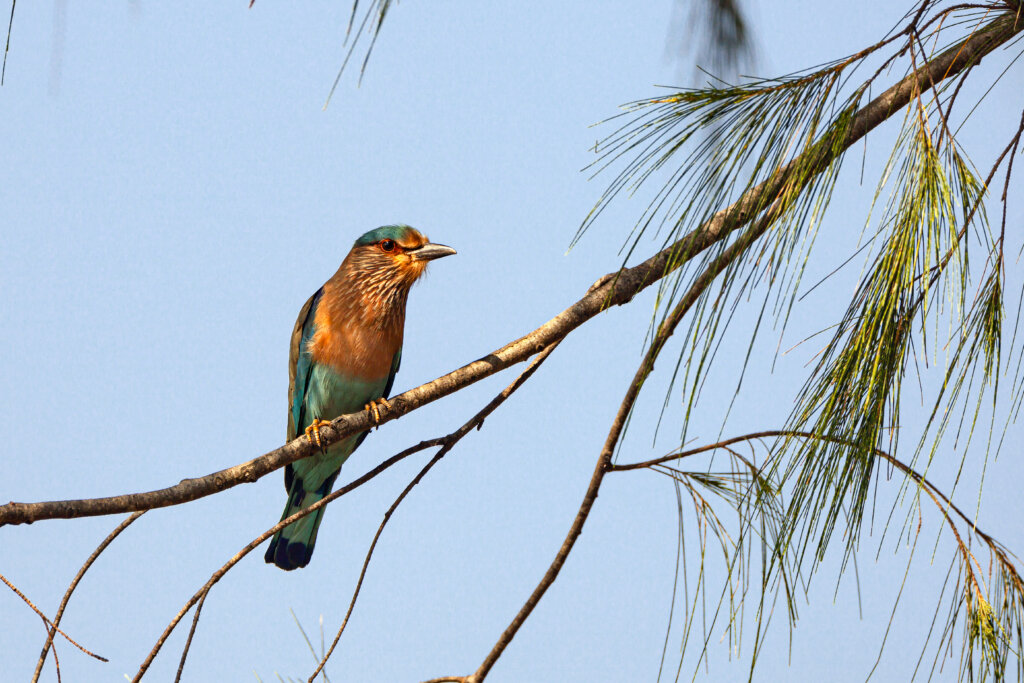
Local name: Neelkanth
Karnataka selected the Indian Roller due to its mythological association with lord Vishnu and victory. In many Indian mythological stories Neelkanth is also associated with Lord Shiva, Neelkanth is a hindi word which means Blue Neck ( Neel is blue and Kanth means neck). Seeing Neelkanth on the day of festival Dussehra is considered fortunate. Dussehra is 10 day of sharadiya navratra associated as end of Ravana and symbolizes vistory of good over evil.
Diet: Insects, small reptiles, frogs
Special day: Dussehra (symbolic)
Seeing a Neelkanth before a journey is considered highly auspicious. It appears in temple lore and rural beliefs as a sign of divine blessing. it deeply influences religious belief.
Kerala – Great Hornbill (Buceros Bicornis)
Local name: Malabar Kaalan
It is chosen as the guardian of Western Ghats forests, this bird represents Kerala’s rich forest heritage.
Diet: Fruits, figs, small animals
Special day: Hornbill Day celebrations (local)
Tribal communities believe that the hornbill protects forests. It also symbolises forest health. Tribal myths see it as a forest spirit.
Madhya Pradesh – Indian Paradise Flycatcher (terpsiphome paradisi)
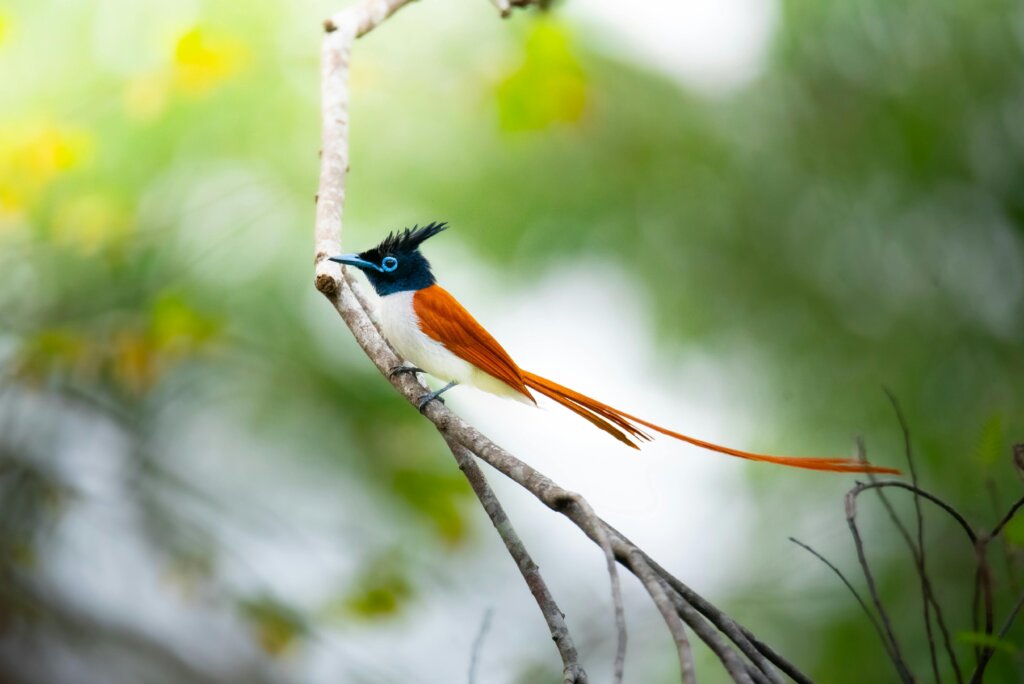
Local name: Dudhraj
Madhya Pradesh chose this bird for its graceful appearance and calm presence.
Diet: Insects, Flies
Locals believe that it brings peace, beauty and good fortune. Its long tail inspires poetry and folk imagination
Maharashtra – Yellow-footed Green Pigeon (Trenon Phoenicopterus)
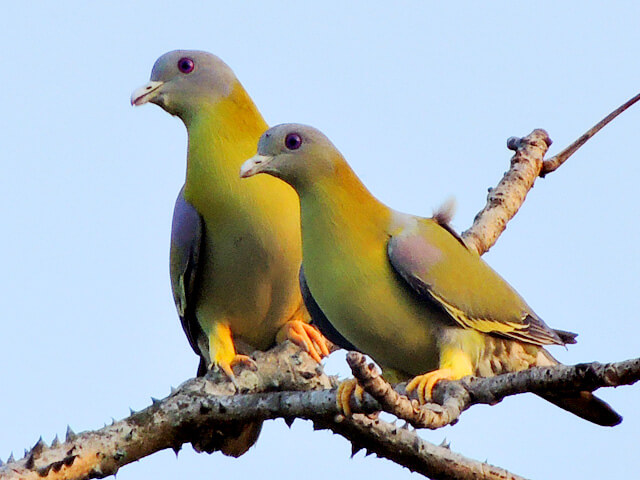
Local name: Hariyal
Maharashtra chose the Yellow-footed Green Pigeon because it is a true indicator of healthy forests, especially for the trees that bears fruits that sustain wildlife. Its calm presence reflects the quiet strength of the Sahyadris. Yellow-footed Green Pigeon reflects Maharashtra’s ecological balance.
Diet: wild Fruits, berries, figs
Special day: World Environment Day (June 5)
Locals see the Hariyal as a gentle forest dweller, never aggressive, always balanced. In rular Maharashtra, its appearance is believed to signal abundant fruiting seasons. It influences conversation awareness and is often mentioned in eco-literature as a reminder that forests must remain untouched.
Manipur – Mrs. Hume’s Pheasant (Syrmaticus humiae)
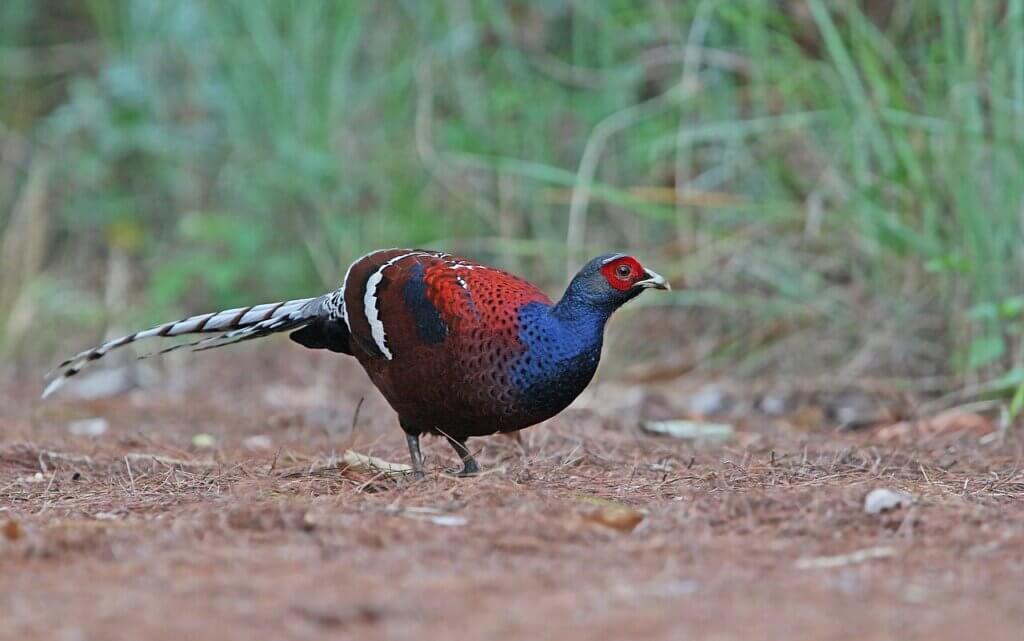
Local name: Nongin
Mrs. Hume’s Pheasant is chosen as Manipur’s state bird, the nongin symbolizes peace, grace, and dignity, values deeply embedded in Manipuri culture.
Diet: Seeds, insects, berries
Special day: State nongin day
Manipuri people treat the nongin with deep respect and emotional pride. It appears in classical dance symbolism and folklore as a messenger of harmony. Killing or harming it is socially discouranged, reflecting strong cultural protection.
Meghalaya – Hill Myna (Gracula religiosa)
Local name: Katrang
Meghalaya selected the hill myna for its remarkable vocal abilities, mirroring the state’s strong oral traditions and musical heritage.
Diet: Fruits, nectar, insects
Special day: world wildlife day (March 3)
Locals believe that the myna is a story-keeper of the forest. Its calls are associated with rain, forest moods, and ancestral communication. The bird influences folk songs and is cherished as a living voice of the hills.
Mizoram – Mrs. Hume’s Pheasant (Syrmaticus humiae)
Local name: Vavu
The bird was chosen because it represents quiet strength and balance in hill ecosystem. It is Seen as a guardian of hills.
Diet: Seeds, shoots, imsects
Special day: Local wildlife awareness events
The bird is respected by Mizo communities as a symbol of harmony with nature. Its shy nature is admired, and it features in local stories as a reminder of humility and coexistence.
Nagaland – Blyth’s Tragopan (Tragopan blythii)
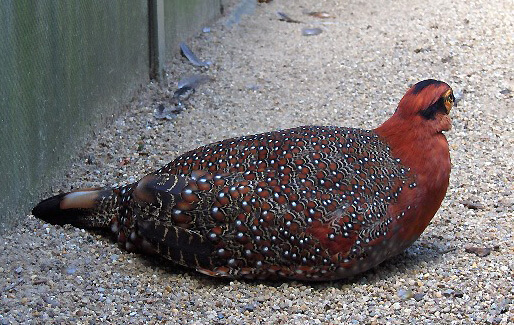
Local name : sazu
Nagaland chose this striking bird because of its strong connection with Naga tribal identity. It is deeply centralized to tribal identity and festivals.
Diet: Leaves, berries, insects
Special day: world pheasant day
The tragopan appears in tribal art, shawl motifs and folklore, and its decline is deeply felt as a cultural loss.
Odisha – Indian Roller (Coracias benghalensis)
Local name: Neelkantha
Diet: Insects, lizards
Odisha’s people see the Neelkantha as a sign of victory and divine favor. Its blue wings influence temple narratives and rural beliefs. It is also worshipped because it is especially linked with lord jagannath
Punjab – Northern Goshawk (Baz) (Accipter gentilis)
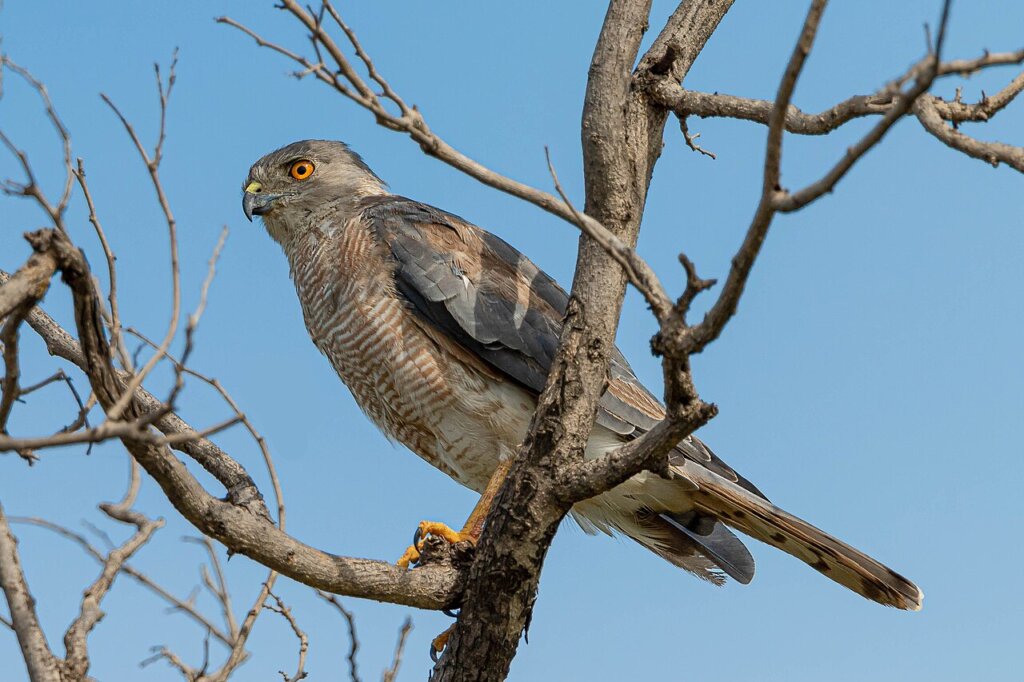
Local name: Baaz
Diet: Small birds, mammals, reptiles
Punjab selected the baaz as it reflects bravery, speed and warrior spirit, deeply tied to sikh history. It is considered a symbol of bravery and Sikh warrior spirit.
Rajasthan – Great Indian Bustard (Ardeotis nigriceps)
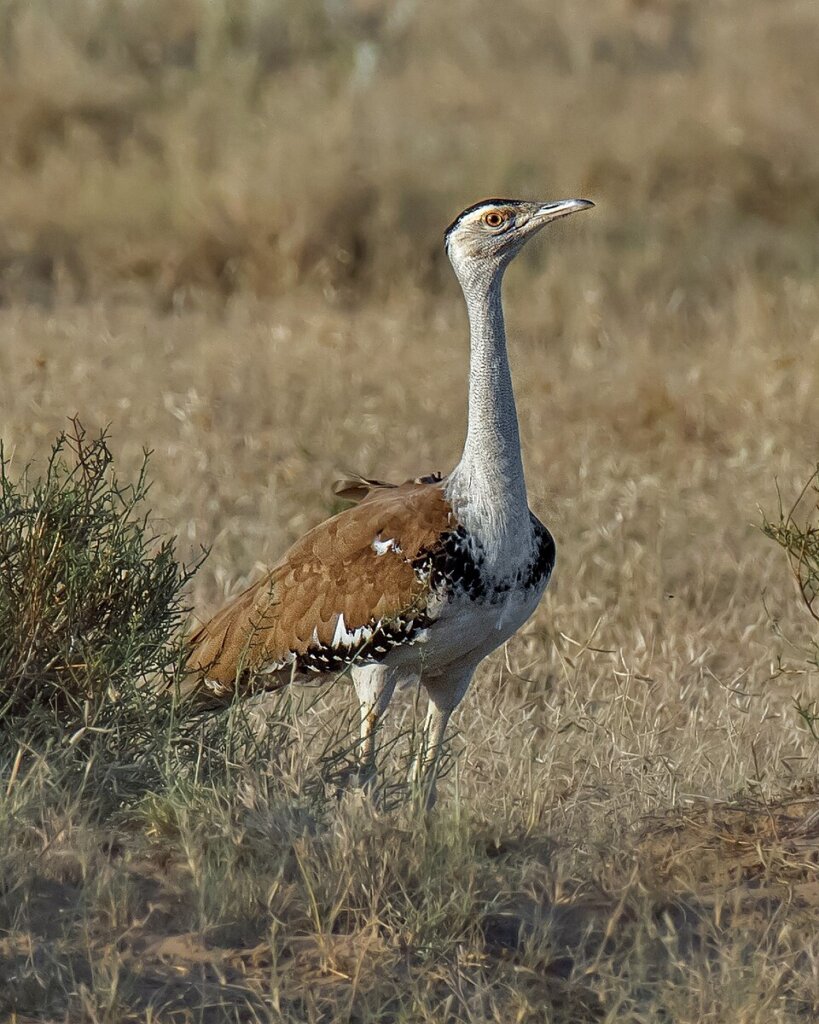
Local name: Godawan
The great Indian bustard is chosen as Rajasthan’s state bird because it represents survival in extreme desert conditions.
Diet: Seeds, insects, small reptiles
Special day: Great Indian bustard day (state declared)
For desert communities, the Godawan is a symbol of pride and endurance. Its sharp decline has caused emotional concern, and conservation efforts are closely tied to local identity.
It is also known as desert king, and seen as a symbol of survival.
Sikkim – Blood Pheasant (Ithaginis cruentus)
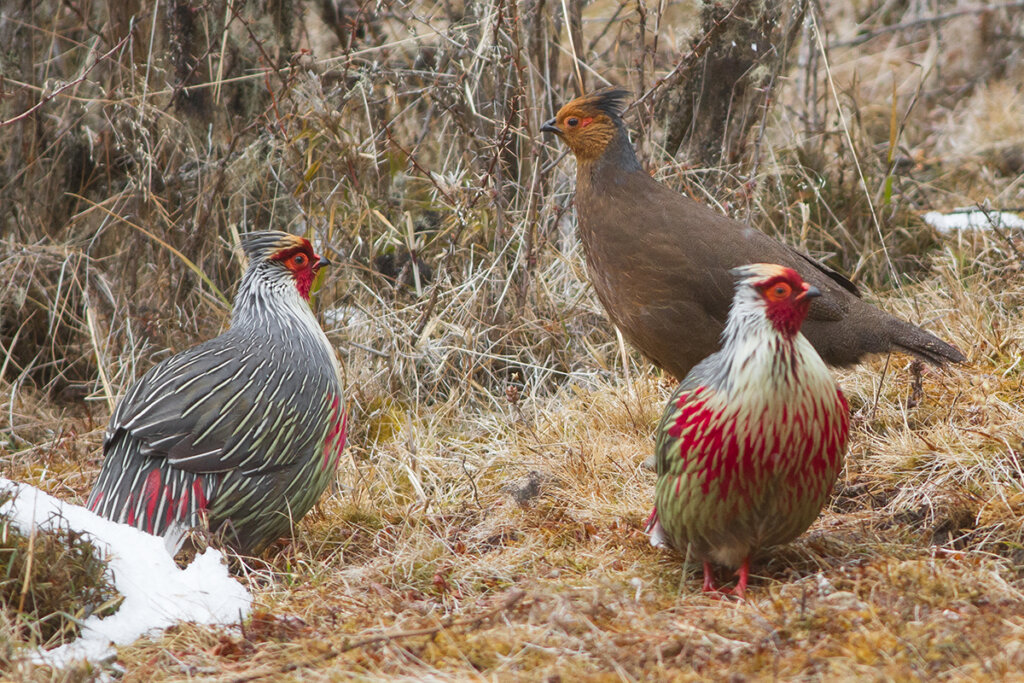
Local name: Cheer Phya
Nestled high in the Eastern Himalayas, Sikkim chose the Blood Pheasant as its state bird because this species lives and survives where few others cannot ,for example in cold, rugged, high-altitude landscapes above 3,000 meters. The bird perfectly reflects Sikkim’s mountain resilience, purity, and quiet strength.
The Blood Pheasant gets its name from the deep red streaks on the male’s feathers, which resemble drops of blood against snow-covered terrain. It symbolizes resilience.
Diet: Roots, tubers, berries, moss, insects
Special day: Himalayan Biodiversity Day (regional observances)
For locals, the bird is believed to be a messenger of mountain spirits. Spotting one is considered a sign of harmony between humans and nature. It appears in Buddhist-influenced folklore as a protector of alpine ecosystems and inspires conservation ethics among mountain communities. Elders associate it with mountain spirits and see it as a guardian of alpine ecosystems. It is considered symbol of high-altitude resilience.
Tamil Nadu – Emerald Dove (Chalcophaps indica)
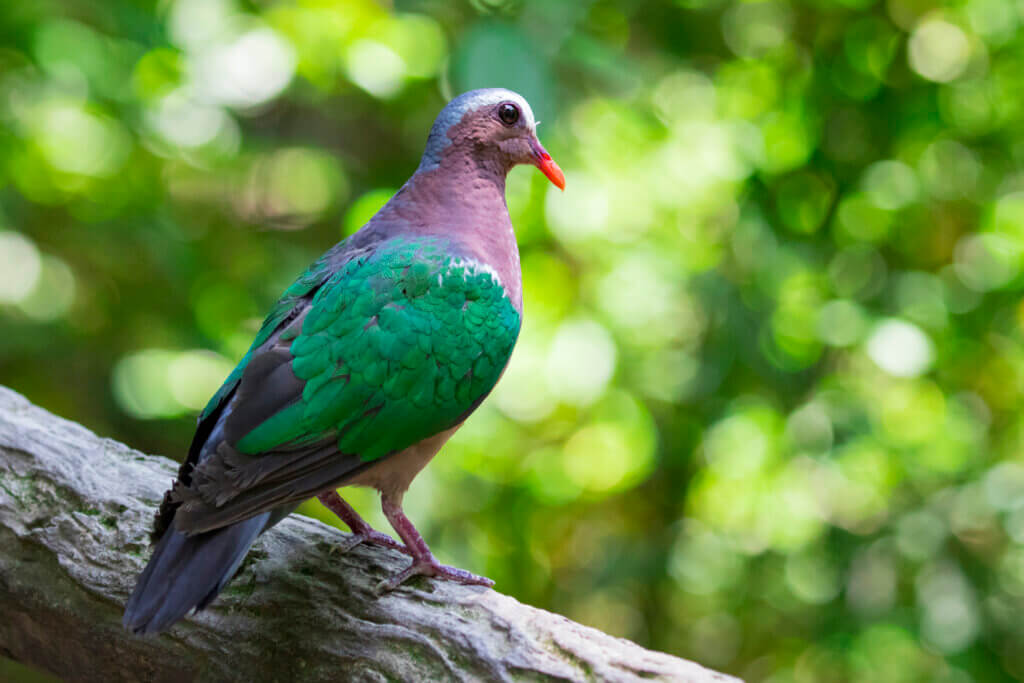
Local name: Maragadha Pura
Tamil Nadu selected the Emerald Dove for its gentle nature and spiritual symbolism, deeply rooted in classical Tamil literature. With shimmering green wings and soft cooing calls, the bird is often associated with love, peace, and devotion.
Diet: Seeds, fruits, fallen grains
Special day: World Peace Day (symbolic association)
The dove is mentioned in Sangam poetry, where its call symbolizes longing and emotional attachment. Temples and traditional art often depict the bird near forest deities, reinforcing its role as a symbol of calm and fidelity.
Telangana – Indian Roller (Coracias benghalensis)
Local name: Palapitta
Telangana chose the Indian Roller due to its auspicious role in local traditions, especially during the Telugu New Year, Ugadi. Seeing a Palapitta on this day is believed to bring prosperity, success, and good fortune for the year ahead.
Diet: Insects, lizards, small frogs
Special day: Ugadi
The bird’s blue wings are admired as a symbol of divine energy. Families wait eagerly for a glimpse during festivals, showing the emotional closeness between people and bird.
Seeing Palapitta on Ugadi is believed to bring prosperity and success, making it emotionally important to households.
Tripura – Green Imperial Pigeon (Ducula aenea)
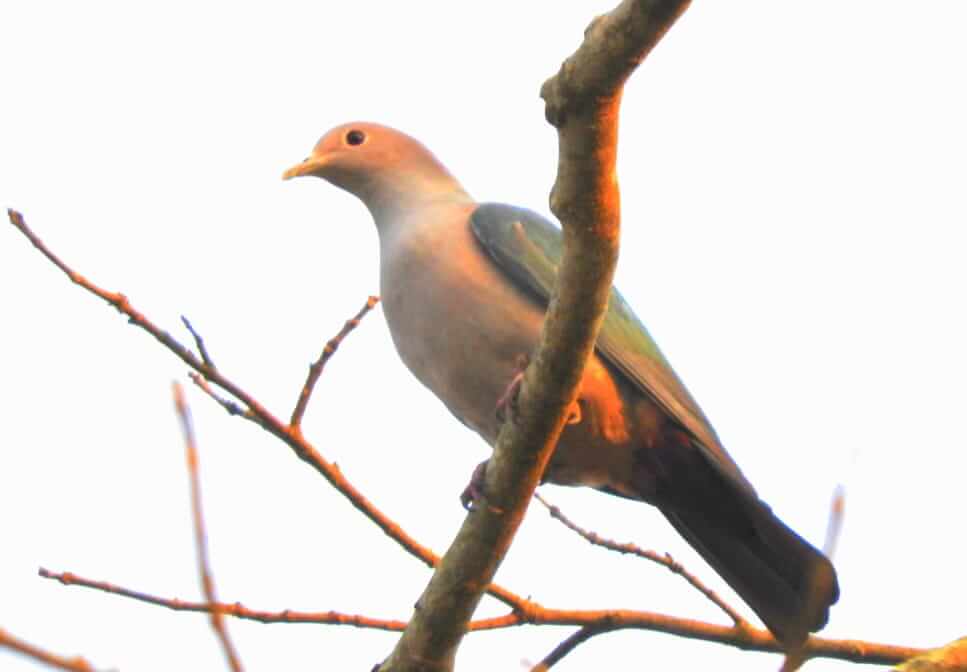
Local name: Raj Pigeon
Tripura chose this bird because of its majestic appearance and dependence on dense forests, which mirrors the state’s lush greenery. The green imperial pigeon symbolizes the rich avian diversity and breathtaking beauty of this North Eastern gem.
Diet: Fruits, figs, seeds
Special day: World Forest Day (March 21)
Tribal communities see the bird as a forest royal, symbolizing abundance and balance. Its calm flight and deep calls are considered signs of a thriving forest.
Uttar Pradesh – Sarus Crane (Antigone Antigone)
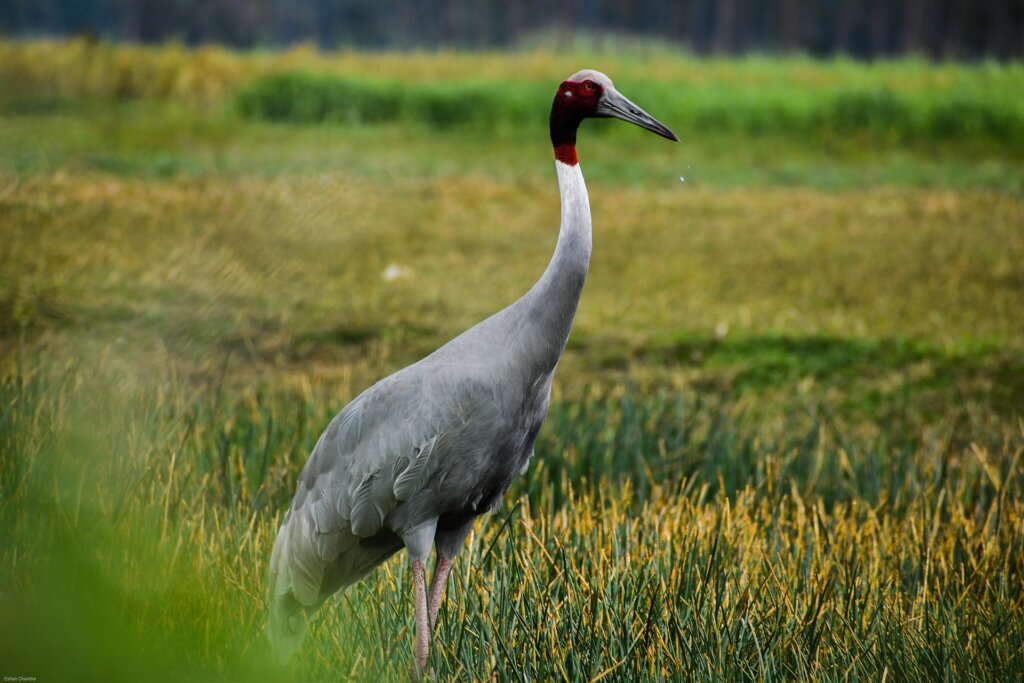
In rural Uttar Pradesh, harming a Sarus is believed to bring misfortune. Farmers protect nesting sites voluntarily, reflecting emotional reverence. The bird frequently appears in folk songs as a symbol of eternal love. It is considered a symbol of marital fidelity. Recently it was in new all over because one guy from unnao, uttar Pradesh kept a sarus crane as a pet and forest department has to intervene.
Uttarakhand – Himalayan Monal (Lophophorus impejanus)
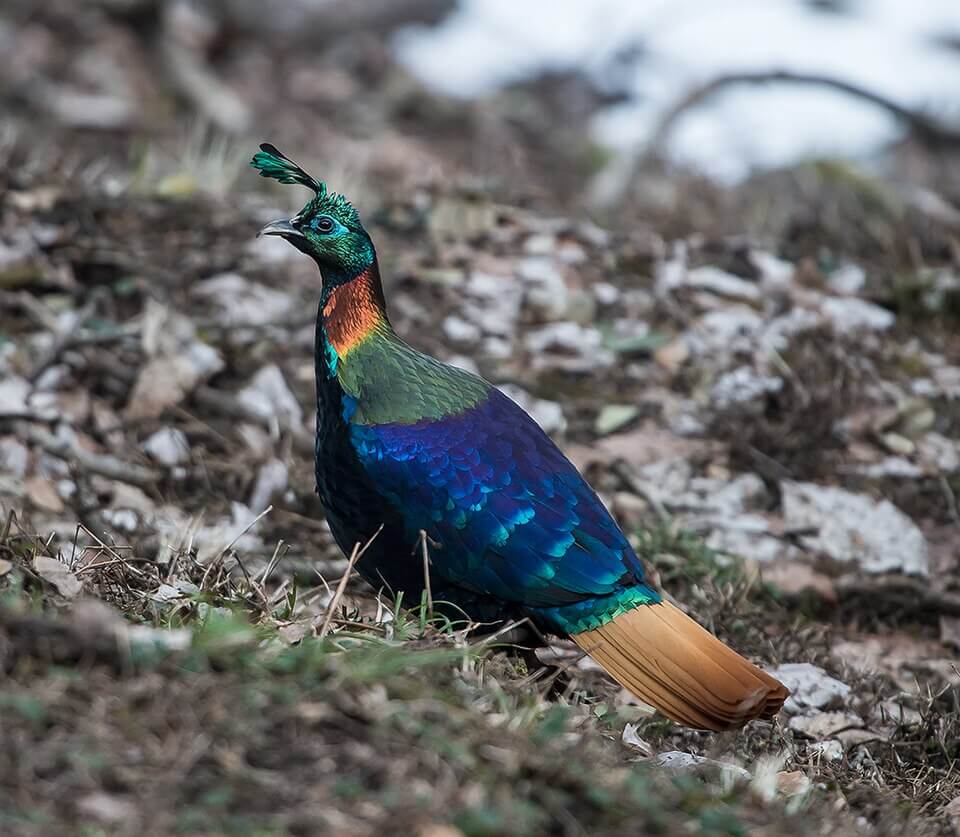
Local name: Monal (in Uttarakhand) and Danphe (in Nepal)
Uttarakhand chose the Himalayan Monal for its vibrant multi color plumage (wing patterns) which include iridescent blues, greens and purples, female monals are more camouflaged in brown, and it is also given importance for its high-altitude presence. Its rainbow-like feathers reflect the beauty of the Himalayas. It is also the national bird of our neighbor country Nepal.
Diet: Roots, tubers, insects
Special day: Himalayan Wildlife Week
Locals believe the Monal brings good weather and balance. It is woven into folk stories and songs as the “jewel of the mountains.”
West Bengal – White-throated Kingfisher (Halcyon smyrnesis)
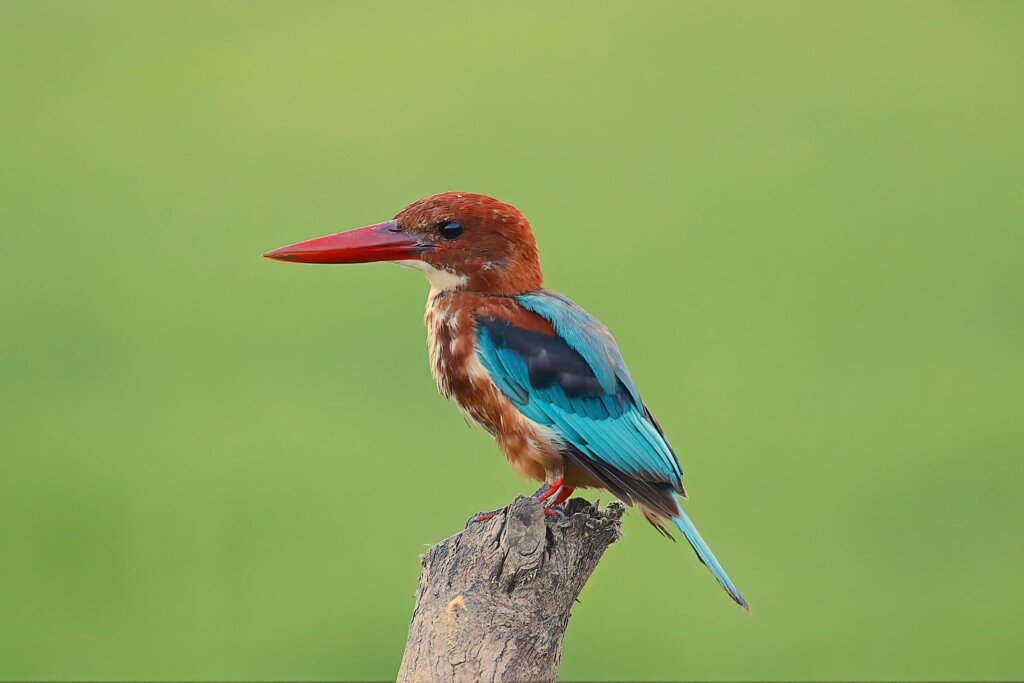
Local name: Machranga
West Bengal chose this bird for its ubiquitous presence near rivers and ponds, making it a familiar companion to daily life.
Diet: Fish, insects, frogs
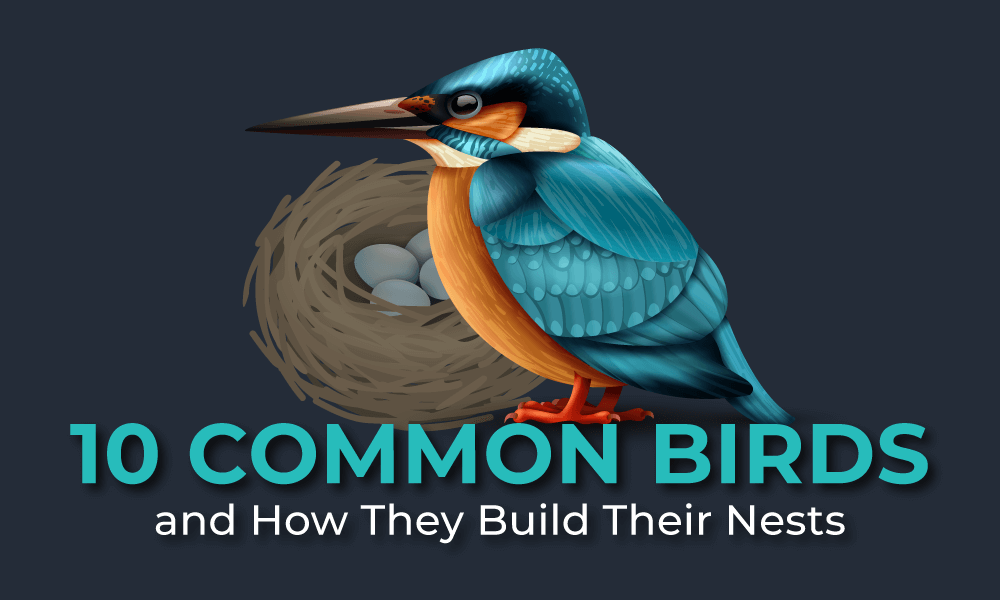
The white-throated kingfisher is immortalised in Bengali poetry and art. Its bright colors symbolize vitality and adaptability, and its call evokes nostalgia for riverbank childhoods. Symbol of riverine Bengal life. It’s known for its bright colours, including a blue back, white throat, and large red beak.
India’s state birds are not chosen randomly—they are emotional, cultural, and ecological mirrors of the land. Protecting them means protecting our stories, songs, and identity. From Sikkim’s frozen heights to Bengal’s flowing waters, these birds carry more than feathers; they carry identity, emotion, and memory. Each state bird is a living reminder that culture and conservation are inseparable.